
Last updated November 24, 2026
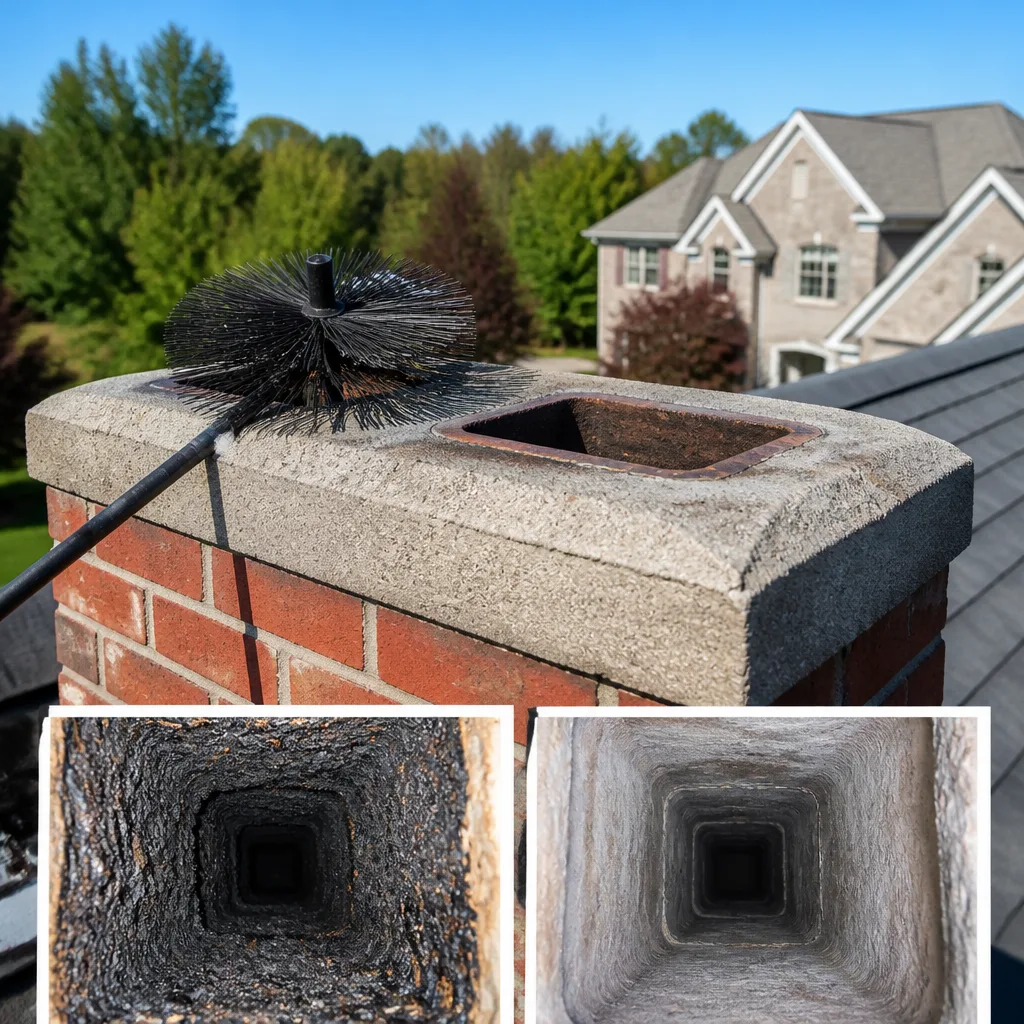 Sweep & inspection
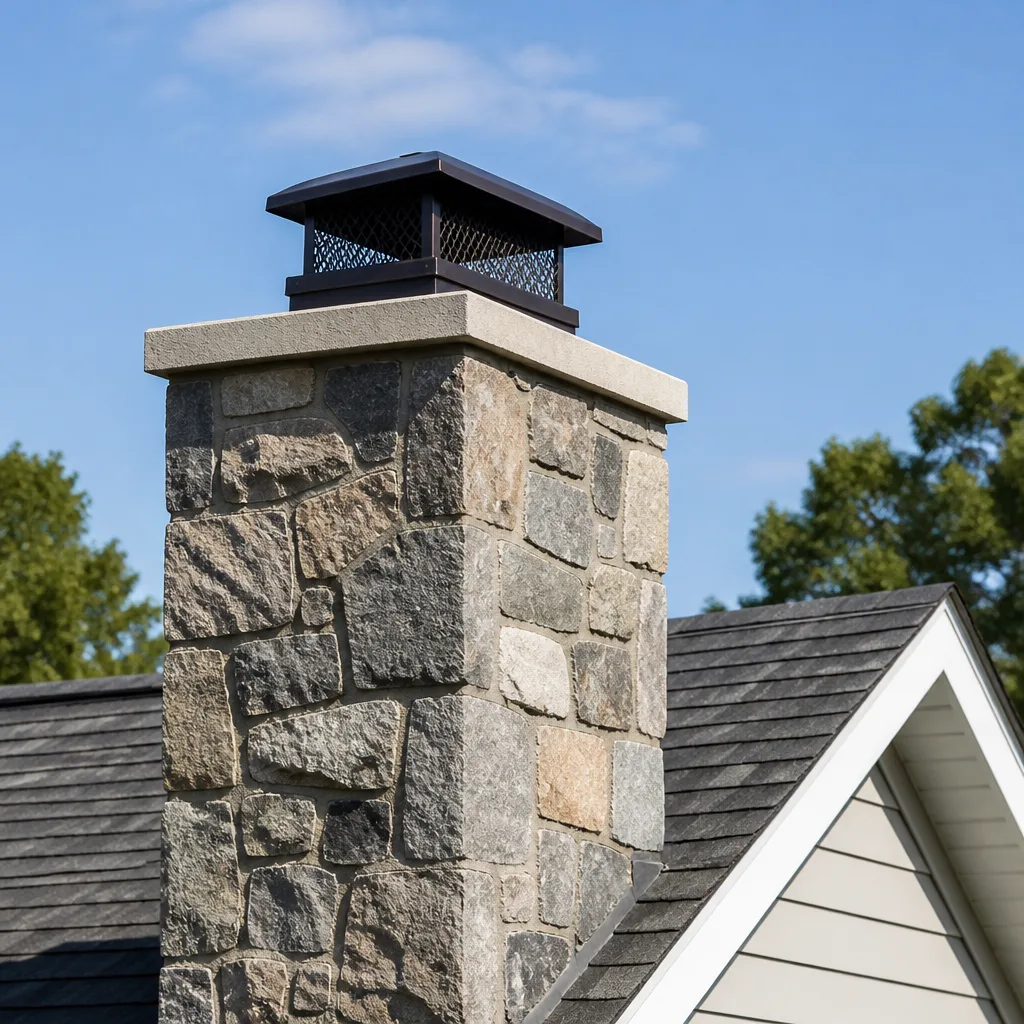 Caps & crowns
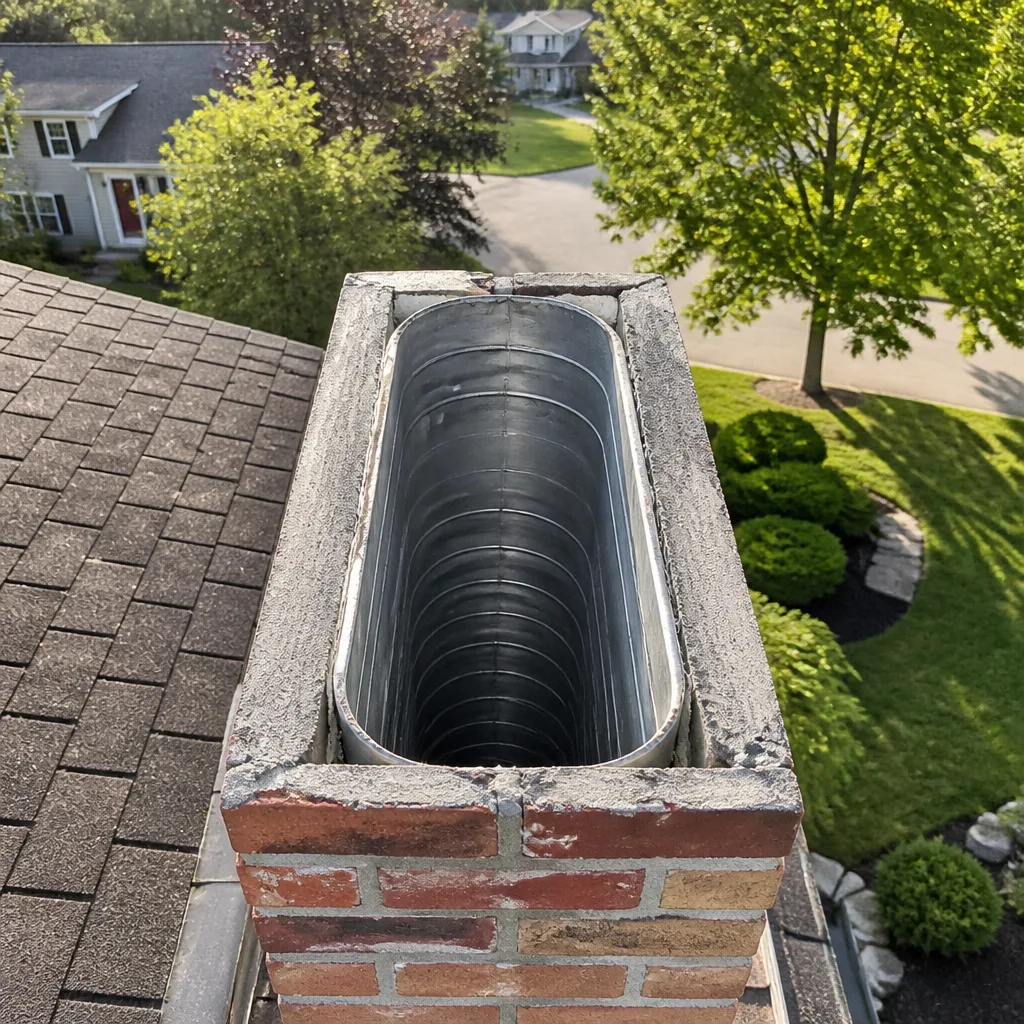 Flue relining
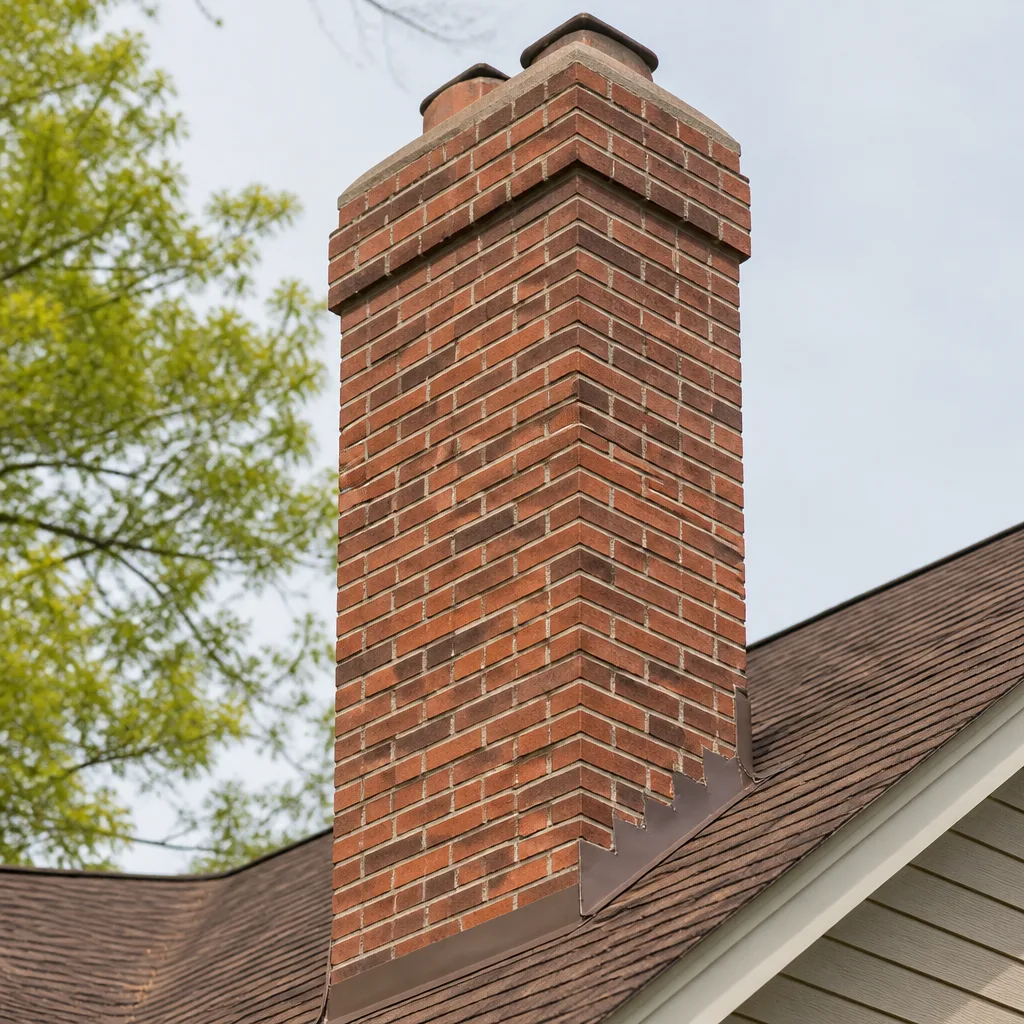 Masonry repair
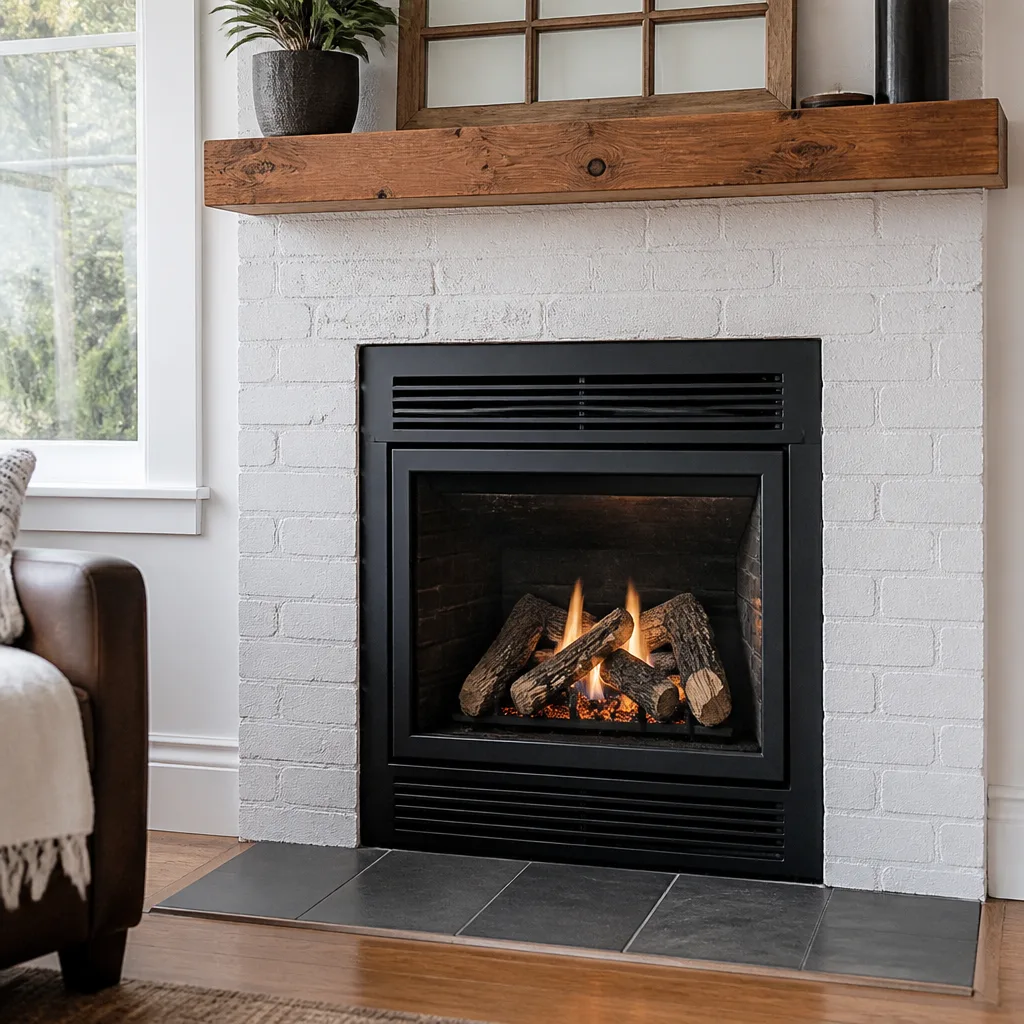 Gas fireplace service
Level 1 sweep and inspection to the NFPA 211 annual standard - flue, crown, cap, and flashing checked and photographed
Chimney sweep logs do not sweep chimneys. They loosen some creosote - which then falls where a brush and vacuum still have to collect it.
DIY vs Professional Chimney Cleaning: The Sandy Homeowner’s Decision Guide
A Level 1 creosote deposit is brushable by anyone with the right kit. That’s the part DIY guides get right, and it’s the part that gets homeowners into trouble. The brush can’t tell you whether the flue tile behind that deposit has a hairline crack that turns a contained fire into a house fire. The real dividing line between DIY and professional cleaning isn’t muscle or money. It’s diagnostics. In this guide, we’ll draw that line precisely: which chimney jobs a Sandy homeowner can safely handle with a brush and a shop vac, which jobs need a camera and a trained eye, and how to decide where your own chimney falls.
Styles & brands we work with
- Sweep & inspection
- Caps & crowns
- Flue relining
- Masonry repair
- Gas fireplace service
Quick Answer
Surface-level DIY chimney maintenance – ash removal, firebox brushing, clearing debris off the cap – is safe and worthwhile for most Sandy homeowners. Actual flue cleaning plus the inspection that has to accompany it is not a DIY job. A brush removes creosote; it can’t reveal cracked clay tiles, gaps in a liner joint, or a hidden creosote glaze further up the flue. In Sandy’s older housing stock, those hidden defects are exactly what a professional sweep-and-inspect appointment exists to catch.
Table of Contents
- What DIY Chimney Cleaning Can Actually Accomplish
- Why Brushing Without an Inspection Is a Half-Measure
- Sandy’s Specific DIY Risk Factors
- The Honest Cost Comparison: DIY Kit vs Professional Sweep
- The DIY Tasks That Are Genuinely Safe
- When DIY Is a Reasonable Bridge (and When It’s a Liability)
- Understanding Creosote Degrees and What Each One Demands
- Common Mistakes to Avoid
- When to Call a Professional
- Frequently Asked Questions
- The Bottom Line
What DIY Chimney Cleaning Can Actually Accomplish
Let’s be honest about what a homeowner with a brush and a ladder can genuinely do. The answer isn’t “nothing.” It’s “less than the internet suggests, and more than a chimney company might admit.” We’d rather you know the difference.
A properly equipped homeowner can complete a real, useful set of tasks inside the firebox and at the top of the chimney. These are the jobs we see done well by Sandy homeowners who take the time to learn the equipment:
- Ash removal. Scooping out accumulated ash after a season of burning is straightforward and important. Excess ash depth crowds the firebox and reduces airflow to the fire.
- Firebox brushing. A stiff chimney brush or wire hand brush on the firebox walls and smoke shelf removes loose soot and light deposits. This is safe work with proper gloves and eye protection.
- Damper and smoke shelf clearing. Debris that falls onto the smoke shelf can be vacuumed out with a shop vac rated for fine ash.
- Cap debris clearing. If your cap has a mesh screen (and it should), leaves, twigs, and bird nesting material can collect on it. Clearing that from ground level or from a safely accessed roof makes a real difference to draft.
- Exterior visual checks. From the ground, you can spot a missing cap, a rusted crown, or a cracked masonry joint that needs professional attention.
What this list doesn’t include is running a brush through the flue. The flue is where creosote actually accumulates – and where the inspection that matters most has to happen. That’s the line. In Sandy, where many homes burn wood through the colder months and see temperature swings between hard freezes and mild afternoons, that creosote can build up faster than many homeowners expect.
If you’re going to handle the surface work yourself, do it right. A proper ash vacuum, a stiff firebox brush, a flashlight, safety glasses, and gloves are a reasonable DIY kit. Skip the ladder-and-flue-brush setup unless you’ve had professional training on it. The number of injuries we hear about from rooftop attempts in Sandy is not small.
Why Brushing Without an Inspection Is a Half-Measure
Here’s the idea most DIY chimney guides skip entirely: brushing a flue and inspecting a flue are two different jobs that happen to use the same access point. The brush has one job – scrape creosote off the flue walls. The camera has another – look at what’s behind and around that creosote.
A professional sweep isn’t just a stronger brush. It’s a sequence of steps that a homeowner with a flue brush simply can’t replicate:
- Controlled sweeping with proper rods and brush sizing. The brush has to match the flue diameter and be stiff enough to scrape hard deposits without cracking tile. Too small a brush misses the corners; too stiff a brush damages soft clay.
- Camera inspection of the flue interior. A flexible inspection camera runs up the full flue length, showing hairline cracks, spalling clay tiles, open mortar joints, and gaps in the liner connections. This is footage the technician and homeowner review together.
- Documentation. A professional inspection produces a photo or video record of what was found. That report has real value at resale, at insurance review, and for tracking a defect over time.
- Diagnosis of what the flue needs. A cracked tile isn’t just a cosmetic issue – it’s a path for heat and embers to reach framing. That determination has to come from someone who has looked at it.
- Recommending repairs with the right materials. HeatShield ceramic resurfacing for a liner that’s cracked but structurally sound, or a full DuraFlex flexible liner for flues that can’t be saved – the right answer depends on what the camera shows.
In our experience, the most common thing a homeowner-tackled sweep misses is the distinction between a flue that looks clean and a flue that is safe. Soot on a camera lens isn’t the issue. A hairline crack the brush glided right past is. That’s why we offer chimney sweep and inspection as a combined, documented appointment rather than treating the sweep as a chore and the inspection as an upsell. The clean job and the diagnostic job belong together.
Sandy’s Specific DIY Risk Factors
Sandy’s housing stock matters here. The valley has a significant share of older homes built with clay tile flues – a construction method that was standard for decades and is still in service in thousands of houses here. Clay tile is a durable material, but it cracks. And when it cracks, it does so quietly.
Several local conditions make that more likely than a homeowner might assume:
- Heating-and-cooling cycles. Sandy sees genuine seasonal temperature swings. A flue that runs hot during a winter fire and cools overnight goes through repeated expansion and contraction. Clay tile is not forgiving of that over long periods.
- Moisture intrusion. Snowmelt and rain that get past a damaged crown or a missing cap wick into the masonry. When that moisture freezes, it spalls the tile face. Over enough winters, that cracking becomes structural.
- Debris accumulation. Sandy’s tree canopy and the wind that comes with valley storms mean leaves and twigs find their way onto chimney caps. A partially blocked cap reduces draft and can push more creosote onto the flue walls.
- Extended burn seasons. The cold months in Sandy are long enough that a regular wood-burner accumulates meaningful creosote in a single season. DIY surface brushing doesn’t address that flue-wall buildup.
None of this is said to scare anyone. It’s said to explain why a camera inspection matters more here than it would in a newer suburb with stainless liners throughout. If your home was built before modern liner standards, and you’re relying on a brush alone to keep it safe, you’re working without information you need.
If you’re unsure what kind of liner you have, that’s the diagnostic question to start with. Call (844) 625-7409 for a free estimate, and we’ll tell you what the camera shows before anyone recommends a repair. Video footage is documented and shown to you – if a technician can’t show you the defect, the defect isn’t confirmed.
The Honest Cost Comparison: DIY Kit vs Professional Sweep
Cost is the argument most homeowners actually weigh, so let’s weigh it fairly. A DIY chimney kit is not free, and the inspection is not something you can skip when you go the DIY route. Here’s how the two paths stack up:
- DIY path: A basic homeowner kit (shop vac, firebox brush, gloves, eye protection, drop cloths) typically runs $80-$180 from a home center. A flue brush set adds another $60-$150. Then the inspection – which you still need for safety and for any resale or insurance process – is a separate professional cost.
- Professional path: A combined sweep-and-inspect appointment covers both tasks in one visit, with the camera documentation included. Pricing in the Sandy area typically runs in the range you’d expect for a single-visit diagnostic-and-clean service, and the written estimate sets the final price before any work begins.
- The hidden cost of DIY: If a defect is missed because you only had a brush, the eventual repair is where the real money goes. Cracked flue tile that gets ignored can require relining rather than resurfacing. That difference is significant.
The honest math: DIY only saves money if the chimney is genuinely in good shape and only needs surface cleaning. And you can’t know it’s in good shape without the inspection. Which means the true comparison isn’t “DIY kit vs professional sweep.” It’s “DIY kit plus a separately purchased inspection vs a combined sweep-and-inspect appointment.” Once you frame it that way, the gap narrows considerably.
We’re not going to tell you that DIY never makes sense. For a homeowner with a gas insert that’s lightly used and a chimney that was inspected last year, surface cleaning between professional appointments is a perfectly good plan. That’s covered in the next section. What’s not a good plan is treating a brush as a substitute for a camera.
The DIY Tasks That Are Genuinely Safe
If you’re going to do the surface work yourself, here’s the list we’d hand you. These tasks are safe with basic precautions and give you visible results without touching the parts of the chimney that require professional access or training.
- Clear the firebox. Remove andirons, grates, and any leftover logs. Sweep the firebox floor and walls with a stiff brush. Vacuum with an ash-rated shop vac.
- Clear the smoke shelf and damper area. Debris falls onto the smoke shelf and blocks airflow. Use a flashlight and a long-handled brush to clear it, then vacuum out the ash.
- Sweep the cap mesh from a safe position. If you can safely access the roof edge (many Sandy homes allow this without going near the pitch), brush off leaves and nesting material. If not, leave it to a professional.
- Look up the flue with a flashlight. This isn’t a camera inspection – it’s a visual check from below. If you can see heavy glossy buildup, obvious cracks in the tile, or daylight where there shouldn’t be any, stop and call for professional inspection.
- Check the smoke chamber and damper operation. A damper that won’t close cleanly affects the indoor air quality in your home. If your damper is stuck or misaligned, that’s a fireplace repair call, not a DIY fix.
- Inspect the cap and crown from below. A missing cap, cracked crown, or loose masonry visible from the ground – those are things you can spot and schedule professional repair around.
- Keep records. Note the date of your surface cleaning and what you did. That note is useful when you schedule the professional inspection, and it supports any future resale documentation.
None of these steps requires a flue brush, a roof ladder, or a licensed technician. All of them are genuinely worthwhile between appointments. What they have in common is that they address conditions an untrained eye can see. The creosote you can’t see is the creosote that matters.
When DIY Is a Reasonable Bridge (and When It’s a Liability)
DIY chimney cleaning is not a binary yes or no. It’s situational. Here’s where each path belongs, based on what we’ve seen across Sandy’s homes – the brick colonials, the mid-century builds, the newer construction, and the older ranch houses that are common through the valley.
When DIY is a reasonable bridge
- Between professional appointments. If your chimney was professionally swept and inspected this year, surface cleaning between those visits is fine. The brush isn’t a substitute for the inspection; it’s maintenance between appointments.
- A lightly used gas fireplace insert. A gas insert doesn’t produce creosote the way a wood-burning fireplace does. Surface cleaning around the insert and keeping the surrounding area clear is reasonable. The venting itself still needs occasional professional checking.
- A very recently inspected chimney that has since had light use. If you had a professional inspection last year and have burned only a handful of fires since, surface cleaning is fine and a re-inspection can wait.
- Seasonal ash and debris removal. Keep the firebox clear, keep the cap mesh clear. These are chores, not diagnostics.
When DIY is a liability
- Any wood-burning fireplace in a home that’s never been professionally inspected. If you don’t know the state of your flue tile, a brush alone can’t tell you. This is the most common mistake we see.
- A chimney that hasn’t been serviced in more than a year. A year of unseen buildup means the brush has real work to do – and it means the inspection can’t wait.
- A home older than modern liner standards. Clay tile flues, common in Sandy’s older neighborhoods, need a camera inspection, not a homeowner’s visual read.
- Any chimney with a known crack, a repaired cap, a previous fire, or a history of water intrusion. Those conditions require diagnostic work; a brush makes them invisible.
- A chimney with visible heavy, dark, or glossy creosote. That indicates a heavier deposit class that requires a professional scrape and inspection, not a light homeowner sweep.
The simplest frame: DIY is the right answer for maintenance on a chimney that’s confirmed healthy. It’s the wrong answer for finding out whether the chimney is healthy in the first place.
Understanding Creosote Degrees and What Each One Demands
Creosote forms in three stages, and the stage determines what actually clears it. This is one place where the DIY/professional split is genuinely clear-cut.
- Level 1 – soot and light flake. The most common stage, especially for occasional burners. A properly sized brush removes it. This is the level surface sweeping handles – and where a homeowner’s maintenance brushing has some role between professional visits.
- Level 2 – hard, flaky, or crumbly deposit. Brushes can dislodge this in some cases, but it takes a correctly sized professional brush and enough controlled force to clear it without damaging the tile. Homeowner setups often miss the corners of a rectangular flue where Level 2 deposit collects.
- Level 3 – glazed, tar-like deposit. A brush alone won’t remove it. This stage requires chemical treatment, specialized scraping tools, or in some cases a full professional re-sweep over multiple steps. It’s also the stage most strongly associated with chimney fire risk and should never be treated as a homeowner chore.
In Sandy, Level 3 deposit is more common in homes with older clay tile flues and regular wood burning than most homeowners expect. The flue’s shape and lining condition affect how deposit builds, and a brush can’t tell you which level you’re at. An inspection can. If a professional camera scan confirms Level 1 or 2, that’s useful information. If it confirms Level 3, you now have a reason to act – and the right plan to act on.
Common Mistakes to Avoid
- Assuming a clean firebox means a safe chimney. Surface cleanliness says nothing about flue condition. A clean-looking firebox with a cracked tile behind it is still a fire risk. Always pair surface cleaning with a professional inspection.
- Using a rigid brush on an unfamiliar flue. A too-stiff brush can crack soft clay tile, especially in Sandy’s older homes where the tile has already been through dozens of freeze-thaw cycles. Size matters and so does the flue’s condition.
- Skipping the inspection to save money. A clean sweep without a documented inspection is like an oil change without checking the brakes. The sweep isn’t the diagnostic work. The two belong together as a single appointment.
- Rooftop work on wet, icy, or steep terrain. Sandy winters make roof access genuinely hazardous. If the pitch is steep or the shingles are slick, leave cap work to a professional – the climb isn’t worth the fall.
- Buying the cheapest kit online and expecting professional results. A $40 plastic brush on a flex rod doesn’t do what a professional sweep brush and rod set does. The kit that actually clears deposit costs more than most homeowners expect.
- Ignoring the cap and crown. A missing or damaged cap is one of the most common causes of moisture intrusion in Sandy. Water that gets in through the crown is what eventually cracks the tile you’re trying to protect. Cap and crown maintenance is a professional job, and it’s the cheapest insurance against liner damage.
- Doing the sweep but never checking draft. A clean flue with poor draft will smoke back into the room. Draft is a diagnostic condition, not a cleaning condition – it has to be tested, not swept.
When to Call a Professional
Call for a professional sweep if you’re not sure of your liner type, if the chimney has never been professionally inspected, if it’s been more than a year since the last service, or if you’ve noticed heavy creosote buildup. Call if the flue has any known defect, if the cap or crown is damaged, if the damper is stuck, or if you’ve had a previous chimney fire. Call before any real estate transaction – a documented inspection carries weight at sale. And call if the roof pitch is steep, the weather is icy, or the flue is on a tall chimney you don’t want to be near a ladder for. Sandy Chimney Sweep Pros offers free estimates in Sandy – call (844) 625-7409. We’re a full-service chimney company, not a handyman add-on, and our technicians have up to 8 years of experience. We answer 24/7. Fast dispatch from 7am to 7pm, Sunday through Friday.
Frequently Asked Questions
Pricing for a professional chimney sweep in Sandy varies by flue condition and whether an inspection is included, which is why we quote per job from a free estimate rather than publishing a flat rate. The written estimate sets the final price before any work begins. Call (844) 625-7409 for an exact quote – estimates are free.
Not every chimney needs a new liner, and a reputable professional will show you the camera footage that justifies the recommendation. If the flue tile is cracked but structurally intact, HeatShield ceramic resurfacing restores it without a full replacement. If the flue is too far gone, a DuraFlex flexible liner is the right call – and a professional should show you the footage that makes that case. If a technician can’t show you the defect on camera, the defect isn’t confirmed. Call (844) 625-7409 for an inspection with documented findings.
For a regularly used wood-burning fireplace, once a year is the standard recommendation, and in Sandy that schedule matters because the burn season is long and creosote accumulates quickly. For a lightly used fireplace or gas insert, a professional inspection every year is still the safer baseline – the sweep can follow the inspection findings. Call (844) 625-7409 to schedule yours.
Creosote accumulates and can ignite, producing a chimney fire that damages the flue and can spread into the framing; a cracked flue tile also allows heat and embers to reach combustible materials. Carbon monoxide can also back up into the home if flue damage goes unnoticed. These are risks that get more expensive when found late. Call (844) 625-7409 for a sweep and inspection before the next burn season.
Yes, if you can reach the cap safely from a stable roof position, but it’s often a professional job because the roof pitch makes it unsafe for most homeowners. Cap and crown work also reveals conditions a homeowner may not recognize – a cracked crown or a loose cap – that need a trained eye. If you’d rather not be on the roof, call (844) 625-7409 for a chimney cap & crown check.
Surface cleaning around a lightly used gas insert is reasonable for homeowners, but the venting system still needs periodic professional checking because gas inserts have their own venting requirements. A professional inspection every year is cheap insurance against a venting problem you can’t see. Call (844) 625-7409 to book one.
The Bottom Line
DIY chimney cleaning is a real option for maintenance, not for diagnosis. A homeowner can safely handle ash removal, firebox brushing, cap debris, and visual checks – and that list has genuine value. But the flue itself needs a camera, and the camera is not a homeowner tool. In Sandy, where older clay tile liners are common and long burn seasons are normal, the inspection is the whole point. Combine the sweep and the inspection in a single appointment, and let the footage tell you what your chimney needs. Nothing more, nothing less. Call (844) 625-7409 for a free estimate – the written price sets the final cost, and nothing is recommended without evidence you can see for yourself.
Our technicians have up to 8 years of experience. We work with professional-grade brands including DuraFlex, HeatShield, Gelco, and Olympia Chimney – names you can look up and verify. From first inspection to final repair, one team. Sandy Chimney Sweep Pros handles the full lifecycle of your chimney system, from sweep to structural repair.
Written by the team at Sandy Chimney Sweep Pros.
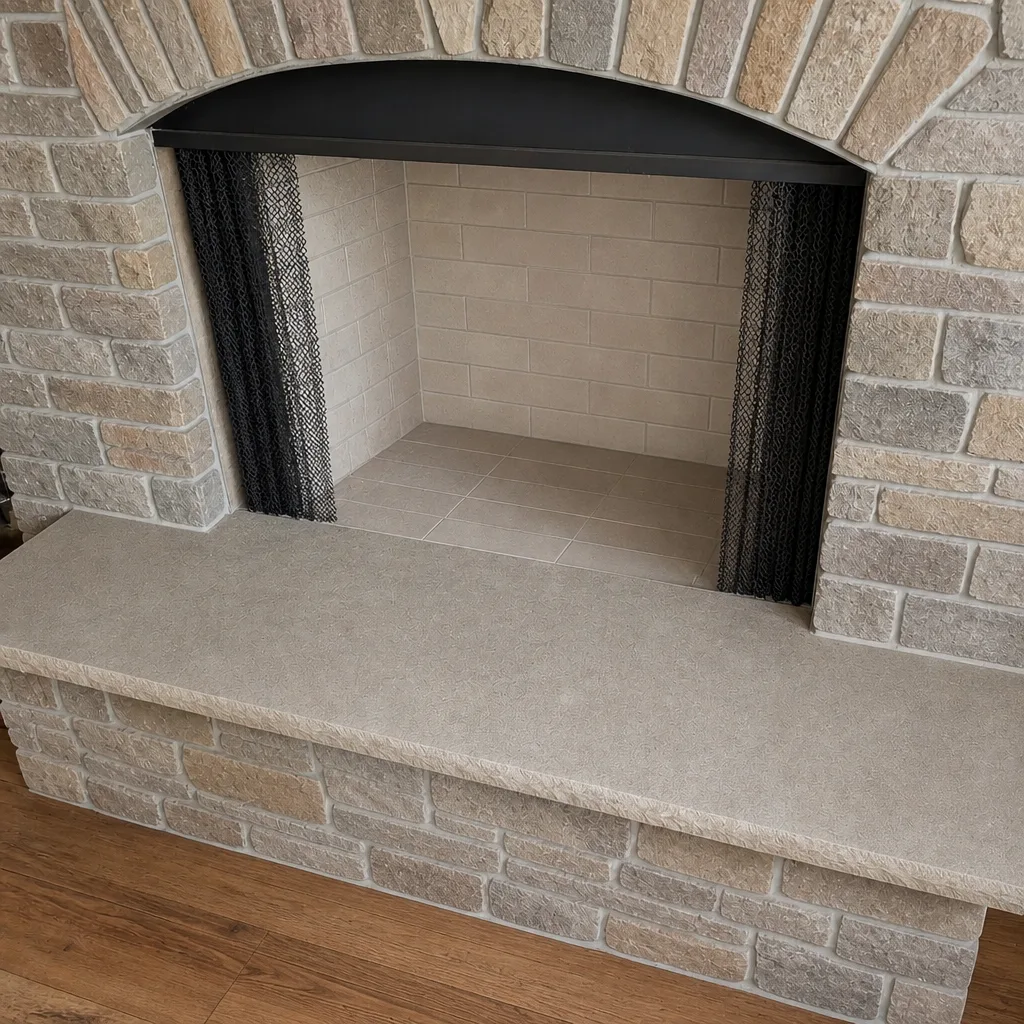
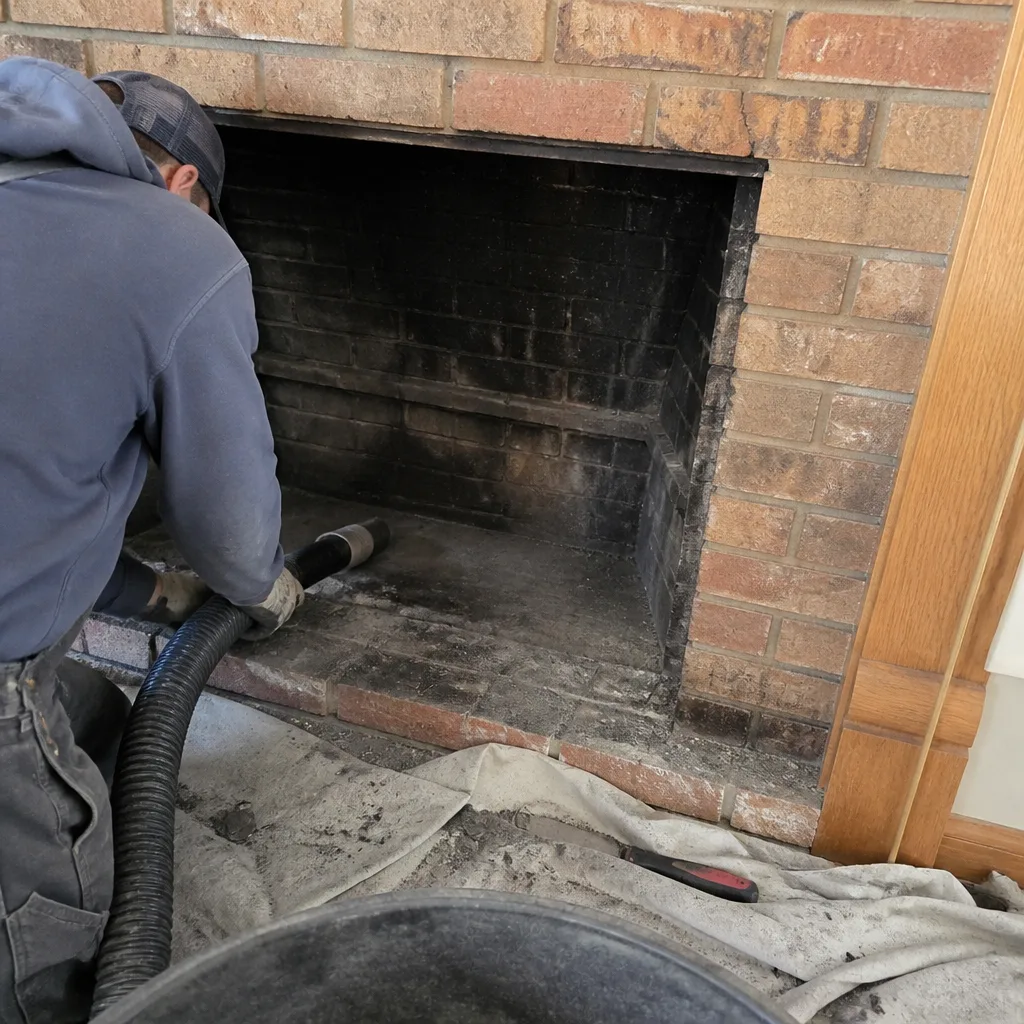
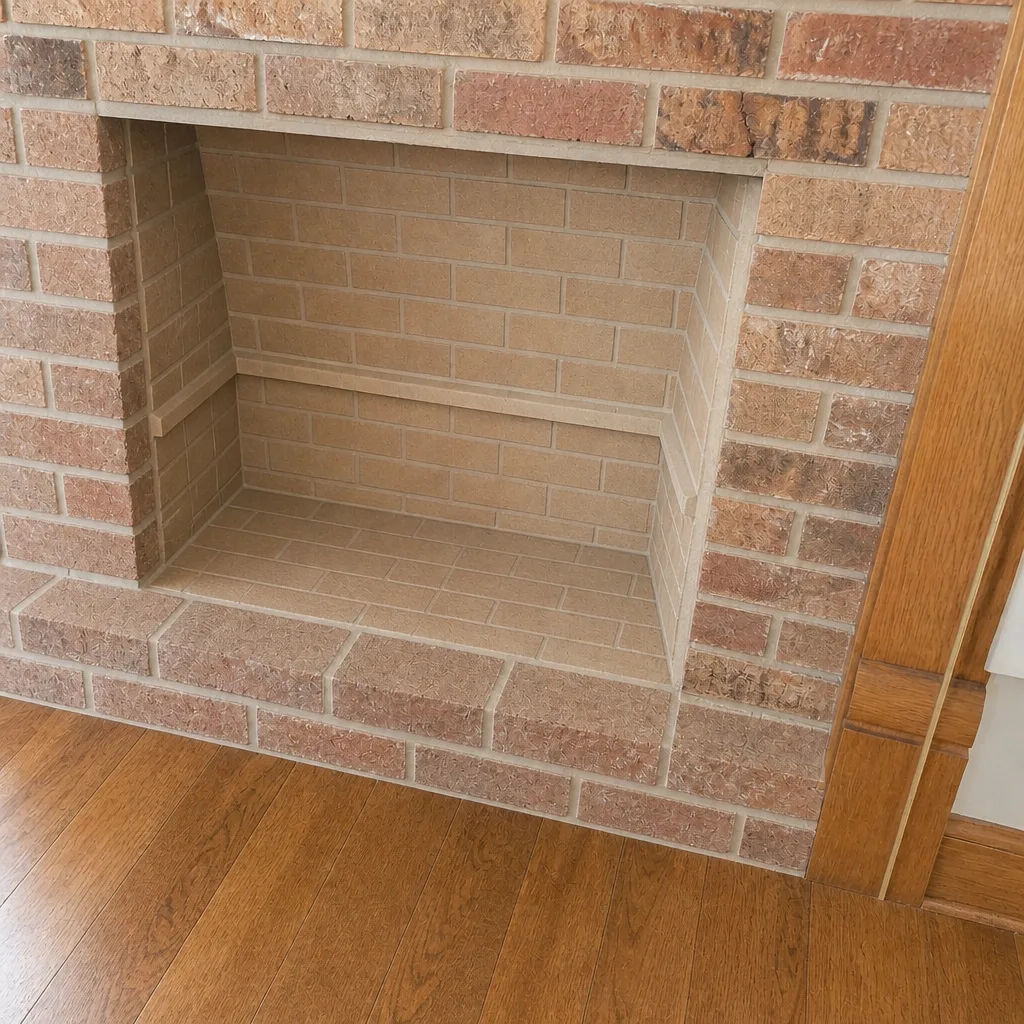
See the difference
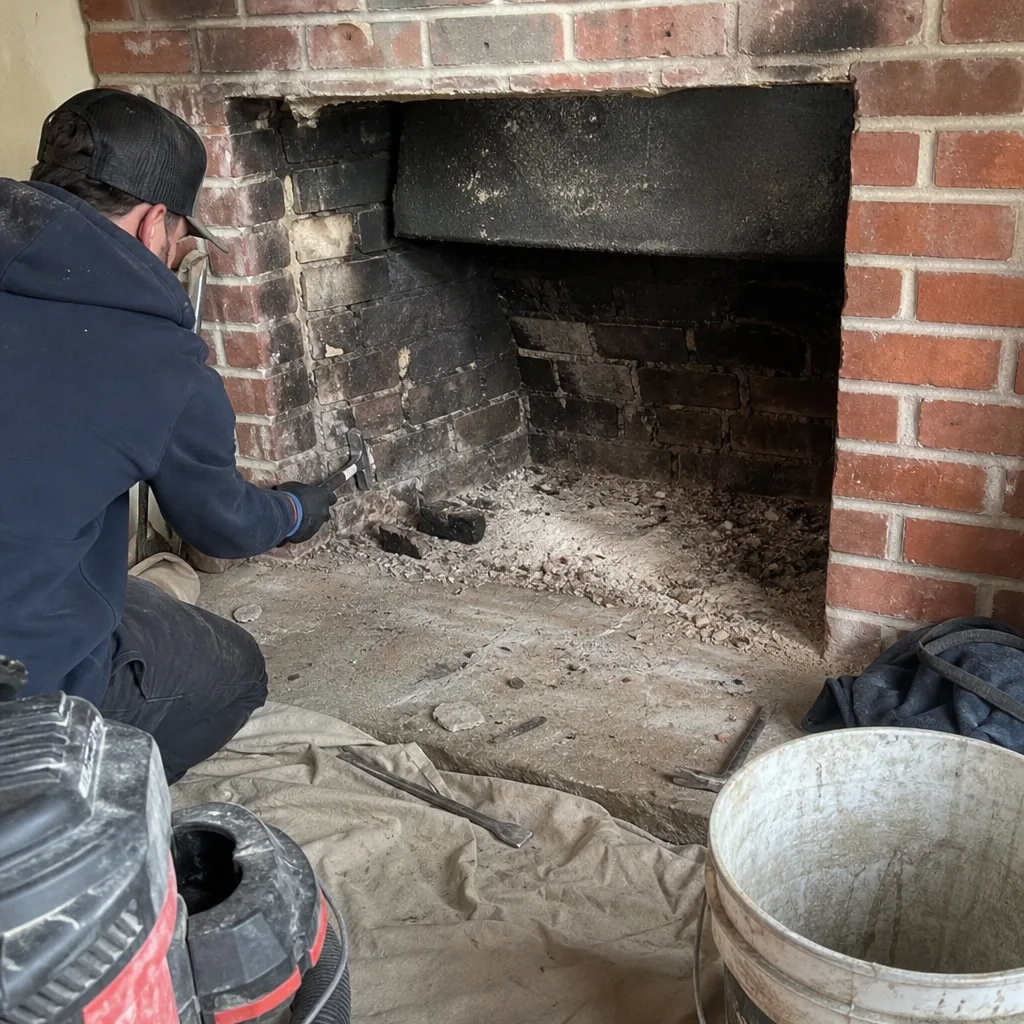 Before
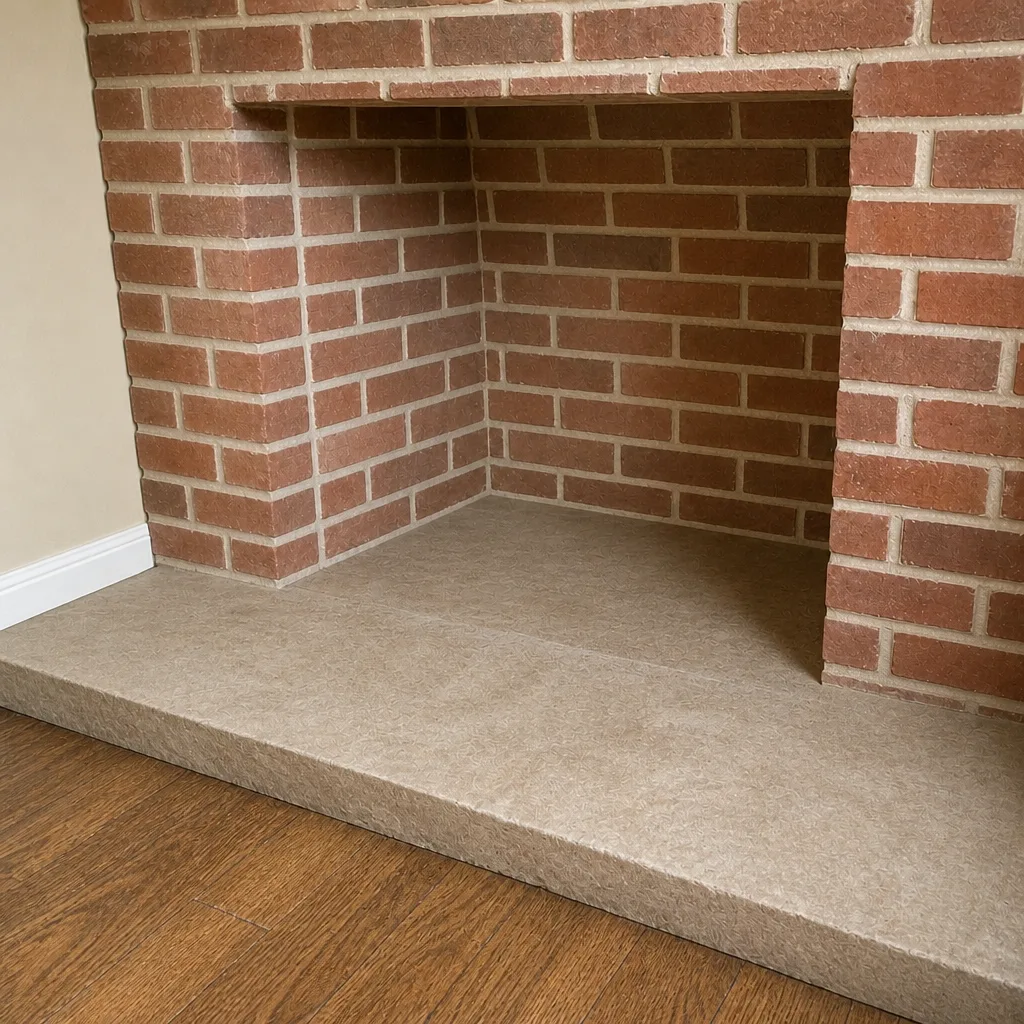 After
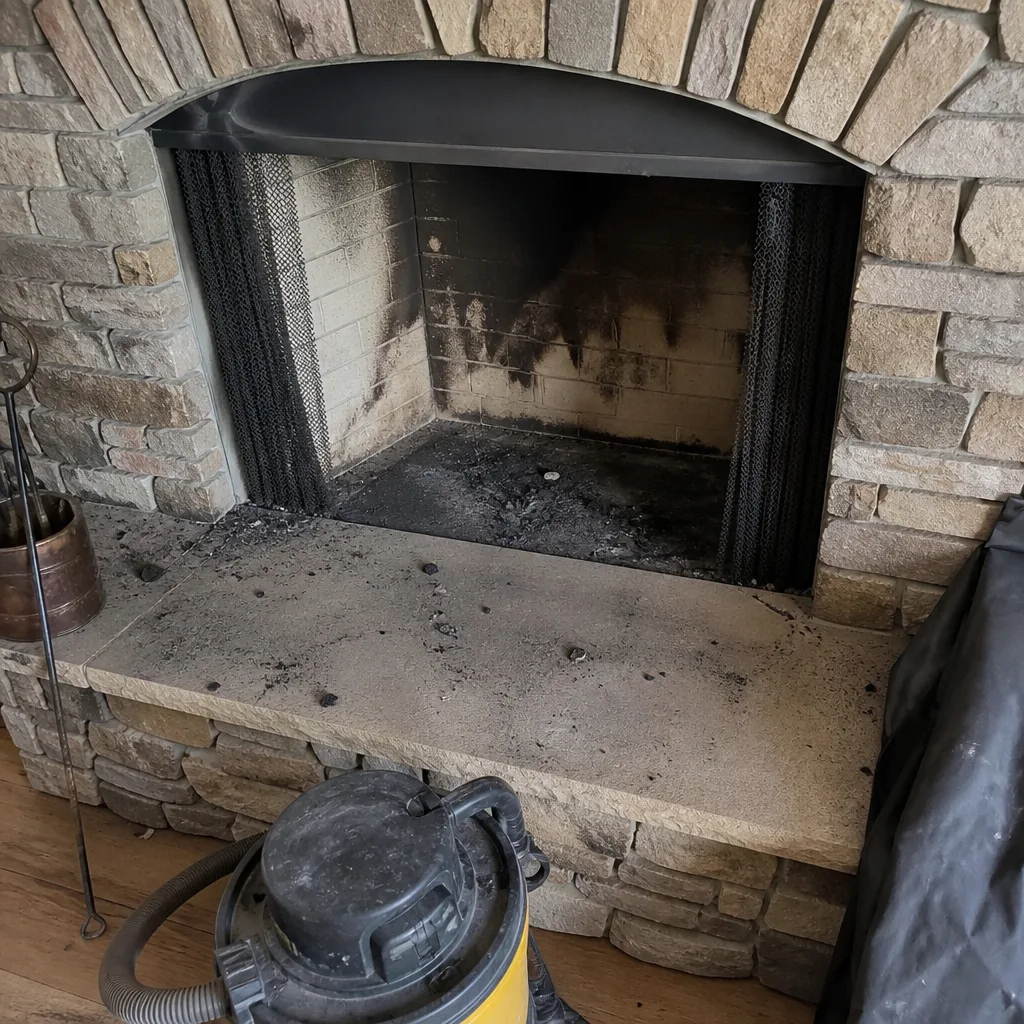 Before
 After
 Before
 After