
Last updated November 24, 2026
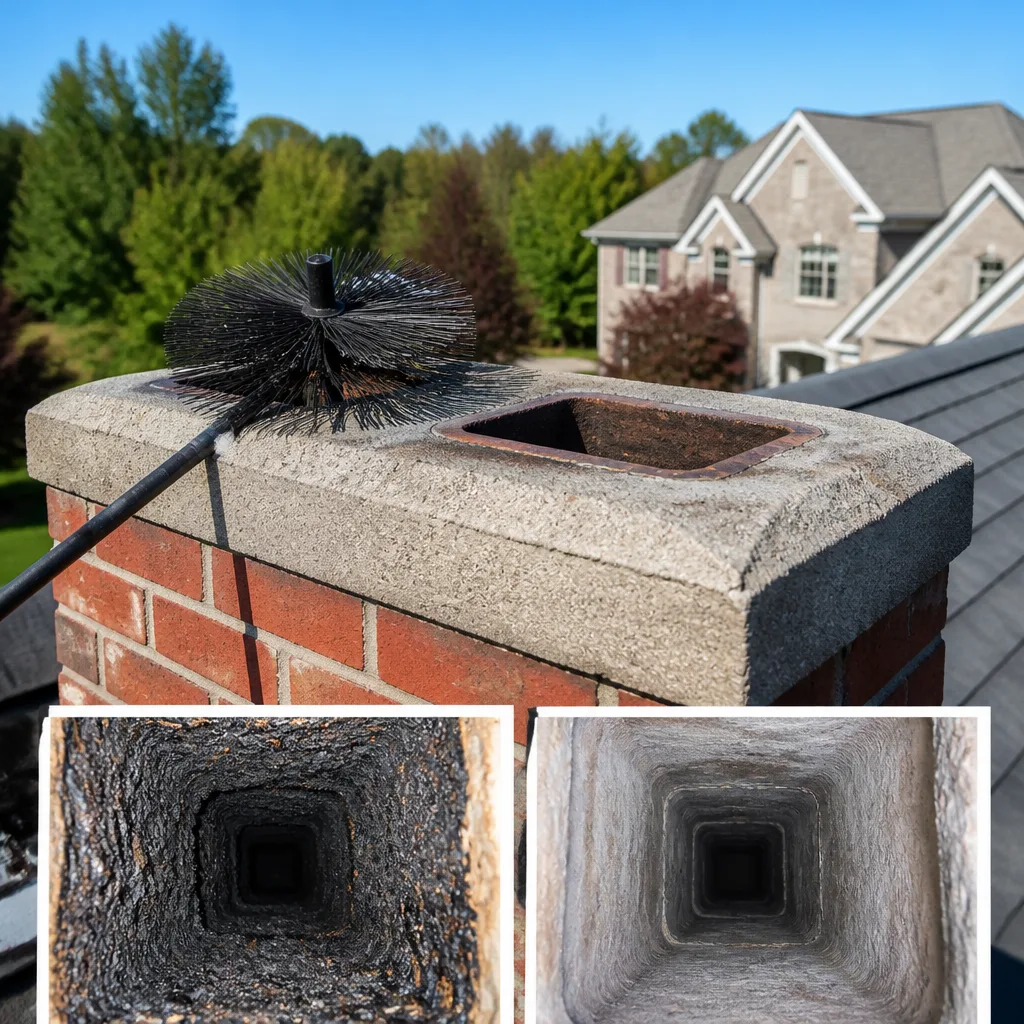 Sweep & inspection
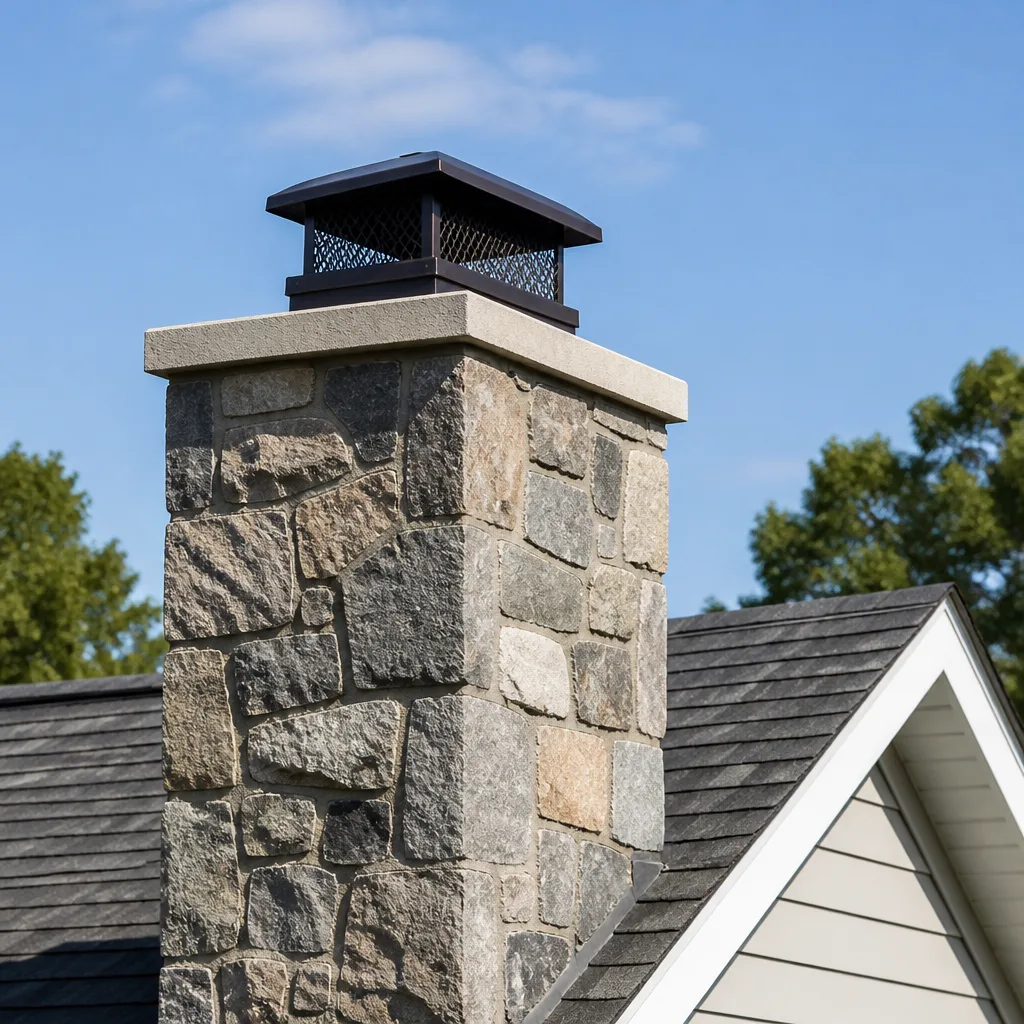 Caps & crowns
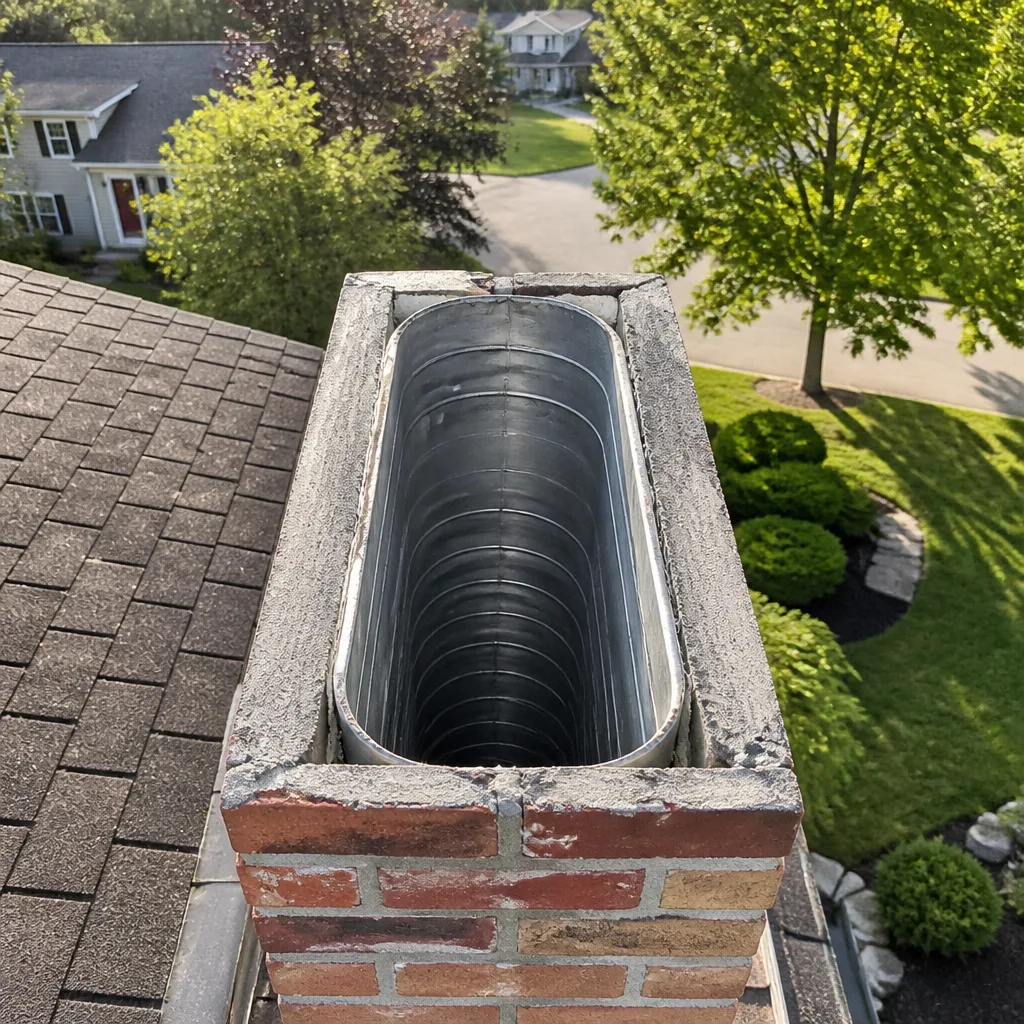 Flue relining
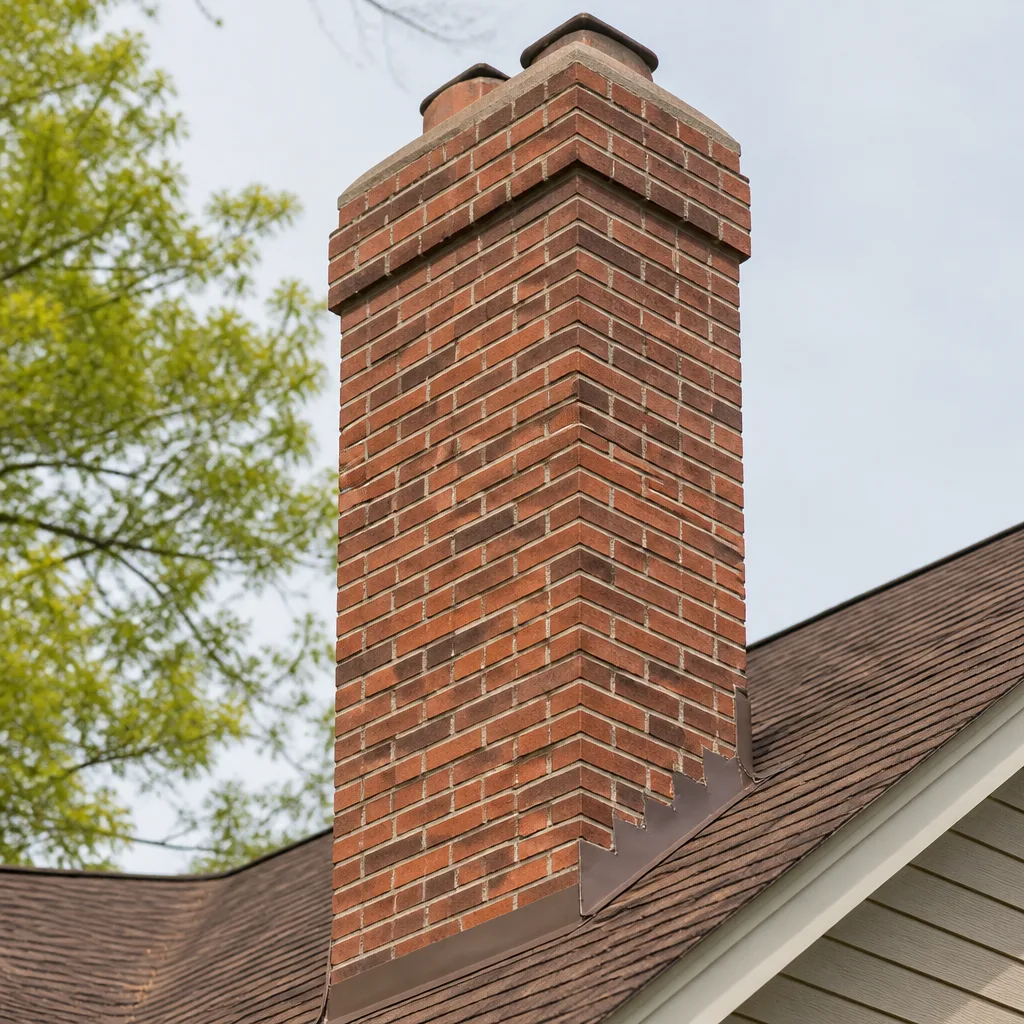 Masonry repair
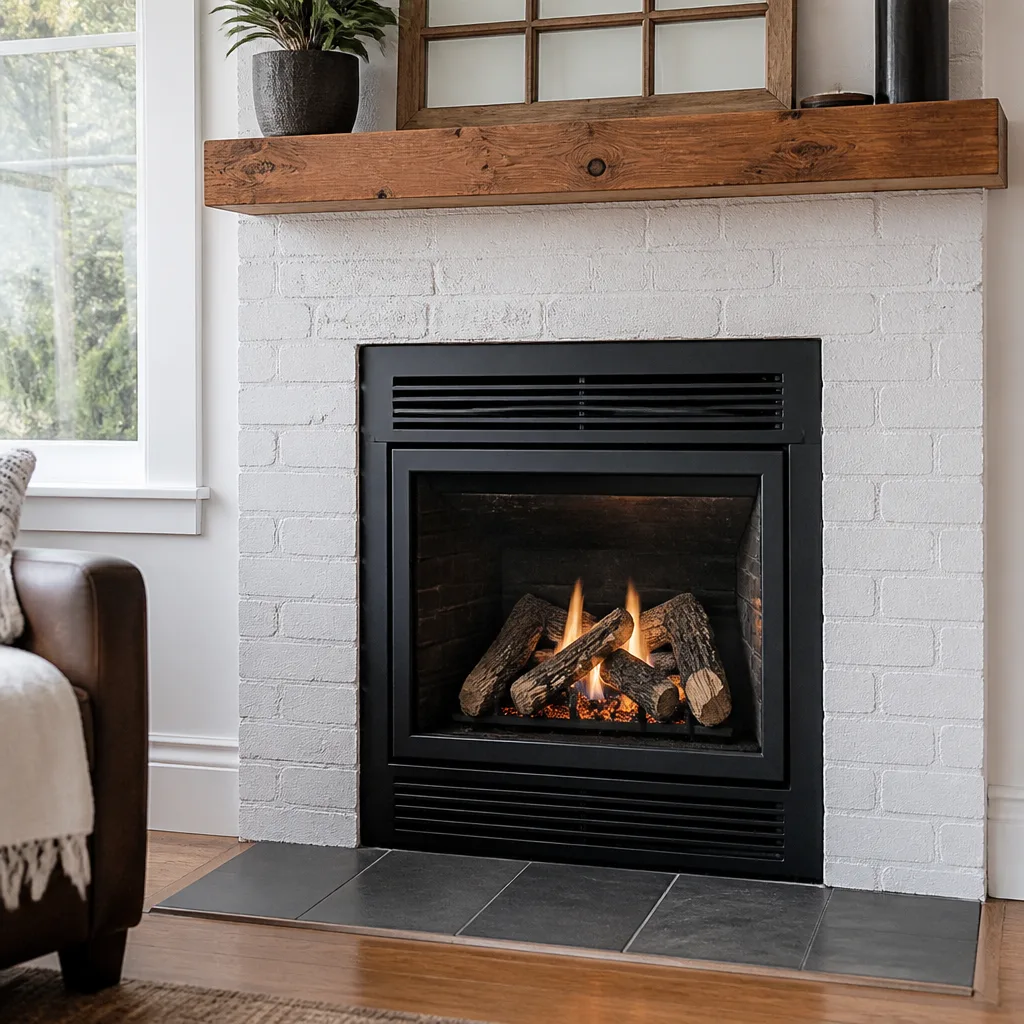 Gas fireplace service
Level 1 sweep and inspection to the NFPA 211 annual standard - flue, crown, cap, and flashing checked and photographed
Chimney sweep logs do not sweep chimneys. They loosen some creosote - which then falls where a brush and vacuum still have to collect it.
Chimney Cleaning Cost Breakdown: The Sandy Homeowner’s Reference for 2026
Two quotes for chimney cleaning in Sandy land in the same mailbox on the same afternoon. One reads $79. The other reads $299. It’s tempting to assume the higher number is padding and the lower one is the honest price. Usually the opposite is true. Those two figures don’t describe the same service at two different margins. They describe two different jobs. The gap between them is almost always a full inspection, a written condition report, and the time it takes to actually document what’s inside your flue. This guide walks through what each price tier covers, which add-ons are legitimate, which line items should name the material being installed, and how the Sandy heating season shapes the cost of getting your chimney ready.
Quick Answer
A standard chimney sweep in Sandy typically runs $150 to $350 depending on the appliance, the flue configuration, and whether the technician has to work from the roof. Add a Level 2 camera inspection and that climbs to roughly $250 to $500. Repairs found during the sweep are priced separately: crown coating, smoke chamber parging, firebox work, and liner replacement each carry their own range.
Styles & brands we work with
- Sweep & inspection
- Caps & crowns
- Flue relining
- Masonry repair
- Gas fireplace service
Table of Contents
- What a Standard Sweep Actually Includes
- When the Level 2 Camera Inspection Gets Added
- Common Repair Add-Ons and Their Cost Ranges
- How to Read a Multi-Line Quote
- Why Sandy Pricing and Scheduling Move the Way They Do
- Named Materials and Why They Matter on Paper
- Comparing Quotes Side by Side
- Common Mistakes to Avoid
What a Standard Sweep Actually Includes
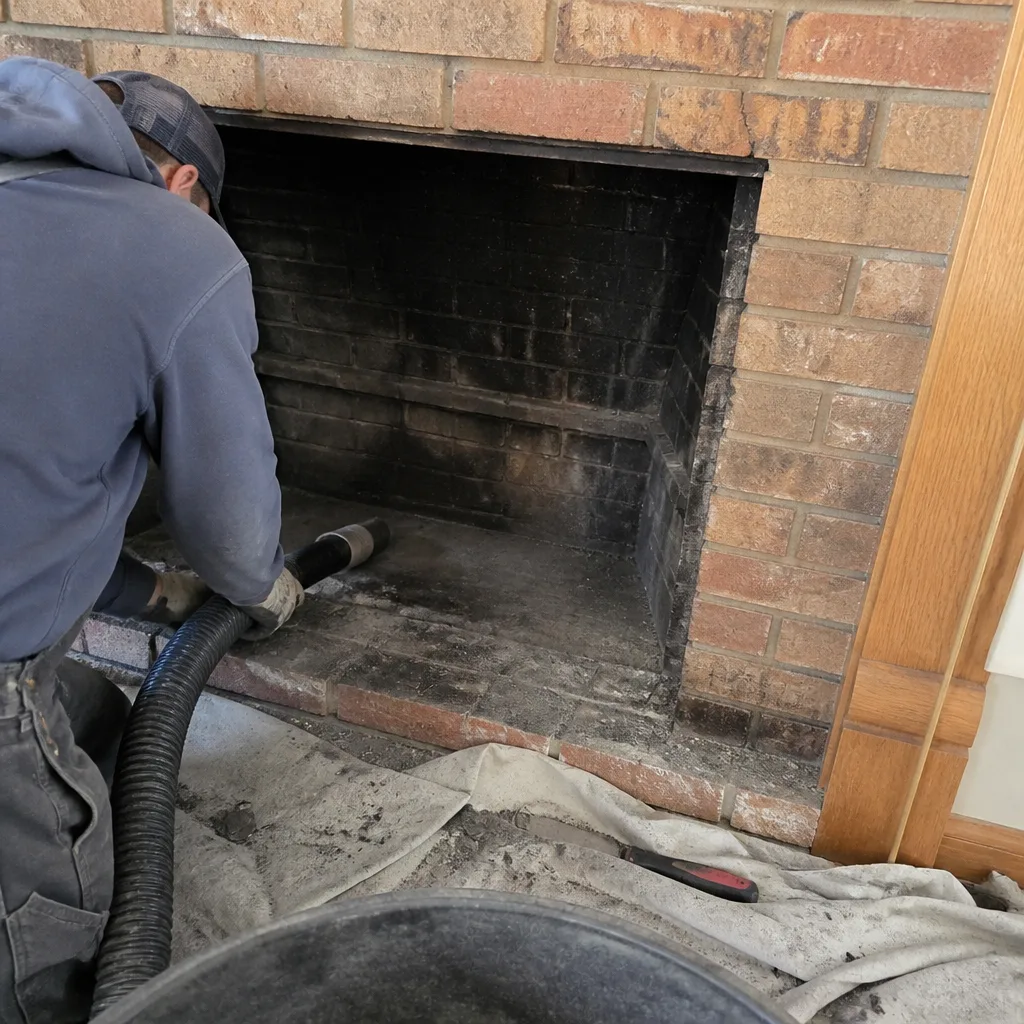
A standard sweep appointment is a brush-and-vacuum job with a visual check. That’s the honest definition, and it’s what the base price buys. The technician runs a rotary brush or a hand brush through the flue sized to your liner, connects a HEPA vacuum to keep the room clean, and finishes with a visual look at the firebox, damper, smoke chamber, and the accessible parts of the flue from the top and the bottom. It removes creosote and soot. It confirms there’s nothing obviously broken.
What a standard sweep does not include is any of the following, and this is where the confusion about pricing starts:
- A camera scan of the full flue liner. That’s a Level 2 inspection and it’s priced separately.
- A written report with photographs. Some sweeps include a basic one; many don’t.
- Any repair work, from a cracked crown to a warped damper.
- Roof access on a steep or fragile roof, which occasionally requires added setup.
- Bird or animal nest removal from a flue that’s been capped loosely or not at all.
The base sweep is the safety checkpoint. It’s not the diagnostic. That distinction matters because a $79 quote that stops at the sweep is a legitimate service at a legitimate price, but it’s not a substitute for an inspection, and it won’t tell you whether your liner is sound. If you want a sweep and a documented look at your flue, you should expect the higher number. Our chimney sweep page covers what the appointment itself involves in detail.
When the Level 2 Camera Inspection Gets Added
The Level 2 inspection is a video scan of the entire flue from the firebox to the top, recorded and reviewed afterward so the homeowner can see the same footage the technician does. It’s the single most common reason a cleaning quote climbs by $100 or more, and it’s also the piece most homeowners don’t realize they need until something goes wrong.
There are specific triggers that call for a Level 2 rather than a plain visual check:
- A change in how the chimney operates. A change in fuel type, a new appliance, or a switch from a wood-burning fireplace to a gas insert.
- A real estate transaction. Buyers and sellers both benefit from a documented pre-purchase or pre-listing inspection, and lenders sometimes want one.
- An event that may have damaged the flue. An actual chimney fire (even a small one the homeowner didn’t recognize at the time), seismic activity, or a visible crack in the masonry.
- Signs of a problem during a routine sweep. Flaking creosote, a visible offset in the liner, water staining, or a smell that doesn’t clear after cleaning.
Because Sandy sits in a valley subject to winter temperature inversions, fireplaces here tend to run long and hard through the cold months, and a flue that’s been smoking heavily for several seasons deserves a camera look. The inspection isn’t a sales funnel. It’s evidence, and the footage is yours to review. We offer inspections as a standalone service for exactly that reason, and the Sandy Chimney Sweep Pros approach is to recommend work only after the camera has shown it.
Common Repair Add-Ons and Their Cost Ranges
Most repair work gets identified during the sweep, not before it. Here are the add-ons you’re most likely to see, with typical Sandy-market ranges. All of these are estimates, and the written quote is what sets the final price.
- Crown coating or crown rebuild: $250 to $900 depending on the crown’s size and whether it needs to be rebuilt or resurfaced. A cracked crown lets water into the masonry; it’s a cheap problem to catch and an expensive one to ignore.
- Smoke chamber parging: $300 to $900. The smoke chamber is the sloped zone between the firebox and the flue, and rough surfaces there collect creosote and slow the draft. Smoothing it is a standard repair.
- Firebox repair: $400 to $1,500 for mortar and brick repair, ranging up to full rebuild at the top of that band. Our fireplace repair page covers the range of firebox and damper work.
- Full liner replacement: $2,000 to $5,500 for a typical residential flue, depending on height, liner diameter, and whether the flue is offset.
- Liner restoration (HeatShield ceramic resurfacing): $1,200 to $2,800 when the existing liner is sound enough to resurface rather than replace. This is a repair-first option that can extend liner life without a full replacement, and it’s worth asking about before a replacement quote gets written.
- Cap and crown installation or replacement: $200 to $800 depending on the cap type and how much masonry work the crown needs. See the chimney cap & crown page for the variety of caps available.
These figures are typical for Sandy. A flue that’s tall, offset, or complicated will sit at the top of each range; a straightforward fireplace will sit near the bottom.
How to Read a Multi-Line Quote
A quote is a description of a job, and if the description is vague, the job is vague. Here’s how to read a multi-line quote without needing a trade background.
- Every line item should name a scope. “Smoke chamber parging – 8 sq ft” is a scope. “Smoke chamber work” is a placeholder.
- Every material should name a brand or model. If the quote says “flexible liner” without a manufacturer, ask which brand is specified. We name DuraFlex-style flexible liners and HeatShield restoration in writing because both are systems the homeowner can look up afterward.
- Add-ons should be itemized, not bundled. A single “repair package” line hides the price of each component and makes it impossible to compare with another quote.
- Inspection findings should be referenced. “Replaced liner because camera footage showed a break at 14 ft” is a documented repair. “Replaced liner” is not.
- The final price should match the quote unless new findings appear. If a quote has a deposit clause or a “from” price, ask what the actual range is in writing.
A credible quote names the material, names the scope, and cites the inspection evidence. If you get a quote that has none of those things, that’s the quote to set aside. The price might be fine. You just have no way to know what you’re buying.
Why Sandy Pricing and Scheduling Move the Way They Do
Sandy’s heating season is real. Wood-burning fireplaces run hard from late fall into early spring, and the valley’s winter inversions trap cold air and smoke under a stable layer for days or weeks at a time. When the inversion lifts, the demand for chimney work spikes, and the calendar fills quickly. The practical result is that a January sweep costs more than a September sweep, not because the work changes but because the schedule is tighter and the job is often more urgent.
Two things about Sandy timing are worth planning around:
- Shoulder-season pricing. Late summer and early fall are the calm weeks. Booking a sweep in that window usually lands you the lower end of the range and gives you time to schedule any repair that turns up.
- Avoid emergency pricing altogether. A chimney that’s been smoking a little all winter and is suddenly smoking badly needs professional attention, not another month of waiting. Getting the sweep done before the season avoids the situation entirely.
Homes along the east bench tend to have steeper driveways and more roof access issues than homes closer to the valley floor, and our more complex flue configurations live in the older neighborhoods near downtown Sandy. Neither changes the base price of a sweep, but both can affect the setup time and therefore the quote. We give you a flat-price sweep agreed before booking so you know what you’re paying before the technician arrives.
Named Materials and Why They Matter on Paper
The single most useful habit a homeowner can adopt is to insist that every material in a quote is named. Chimney work has a lot of interchangeable-looking products, and the price gap between a generic liner and a professional-grade one can be $500 or more. It’s the difference between a job that lasts and a job that gets redone.
The brands we work with – DuraFlex, HeatShield, Gelco, Olympia Chimney, Famco, and Copperfield – are chosen because they’re verifiable. DuraFlex flexible liners handle the offset flues that rigid liner systems can’t route cleanly, which matters in Sandy’s older homes where a straight flue is not guaranteed. HeatShield ceramic resurfacing is a manufacturer-backed restoration system with its own product warranty, and it’s an option many homeowners don’t know exists because it’s easier to quote a full replacement. Famco and Copperfield are two of the industry’s longest-standing specialty suppliers, and their components appear throughout our cap and crown work.
So when you get a quote for liner work, look for those names. If the quote names none of them and doesn’t say which manufacturer is specified, ask. A professional-grade material has a name and a warranty. A bargain liner usually has neither.
Comparing Quotes Side by Side
Comparing chimney quotes apples-to-apples takes about ten minutes per quote if you know what to check. Use this checklist:
- Does the quote list the sweep and the inspection as separate line items, or bundle them?
- Is the inspection Level 2 with a camera and a written report, or a visual check?
- Are brand names attached to every material in the repair lines?
- Is the total price stated, or is it a “starting at” figure?
- Does the quote describe what happens if the sweep finds something new – does the price change, and how is that communicated?
- Is the technician honest about what can wait? A crown with hairline cracks can be watched for a season. A flue with a documented break cannot.
The quotes that survive this checklist are the ones you can trust. The ones that don’t are the ones worth rejecting regardless of price. You’re not buying a number. You’re buying a documented job with materials you can verify.
Common Mistakes to Avoid
- Choosing the lowest quote without checking the scope. A $79 sweep that doesn’t include an inspection isn’t competing with a $299 sweep that does. You’re comparing two different services. Read the scope before the price.
- Accepting a “free inspection” that’s really a sales funnel. A truly independent inspection is priced and paid for, and the findings stand on their own. A free inspection often ends with a quote for work you can’t verify. Pay for the inspection if you want an honest one.
- Approving work without seeing the camera footage. If a technician recommends a liner replacement, ask to review the video. If they can’t show you the break, the recommendation isn’t evidence-based. Nothing we recommend happens without camera evidence you can see for yourself.
- Treating a chimney sweep as routine maintenance. It’s a safety checkpoint. A sweep that doesn’t include at least a visual inspection of the flue and firebox is maintenance, not a check.
- Skipping a repair because it “can wait” when it can’t. Some things genuinely can wait a season (a hairline crown crack, a small smoke stain). Others cannot (a broken flue liner, a blocked flue). Ask the technician to tell you which category each finding falls into.
- Letting the cap and crown go unmaintained. The most common cause of expensive masonry repair is water getting into a cracked crown. A cap and crown inspection every few years prevents most of it. The cap is cheap; the rebuild isn’t.
- Hiring a generalist handyman for a chimney job. Chimney work involves masonry, metal work, and specialty branded products. A handyman can clean up around a firebox, but the liner and the smoke chamber are a specialist’s territory.
See the difference
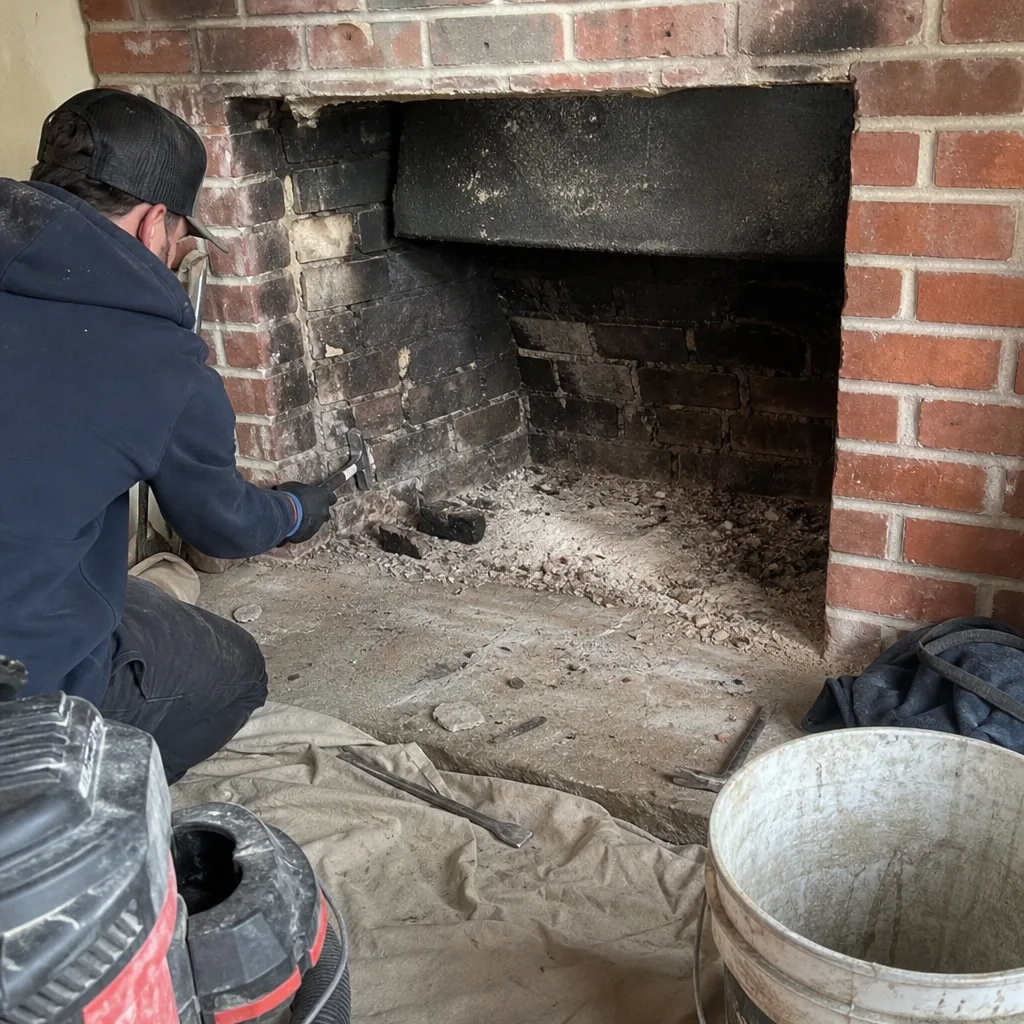 Before
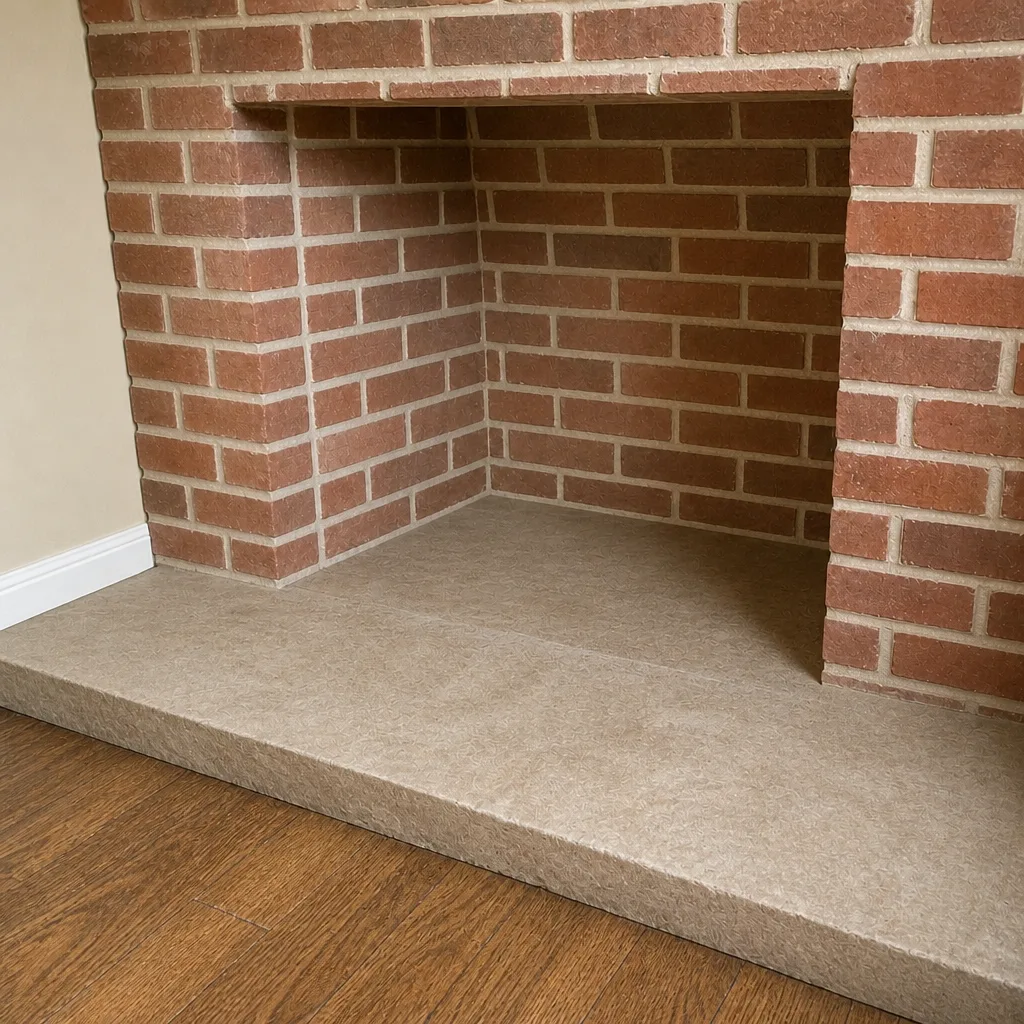 After
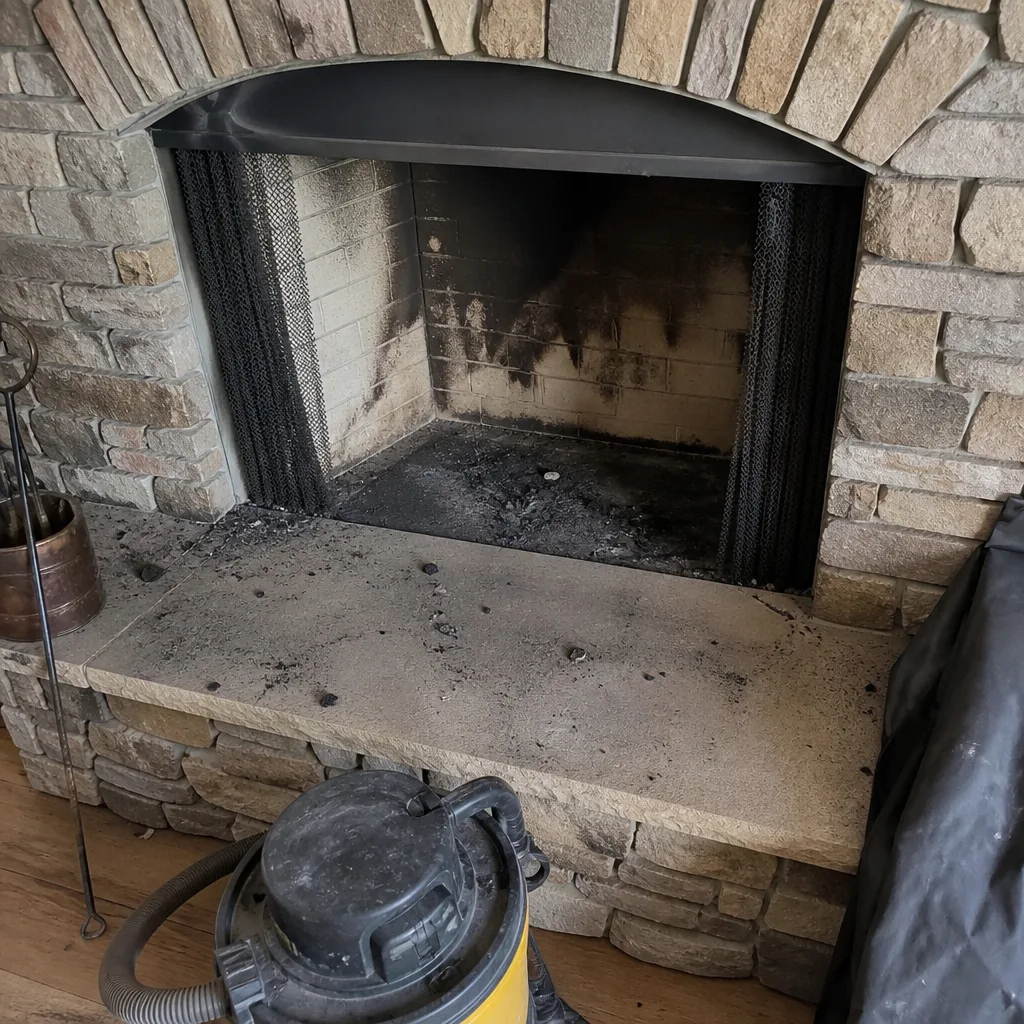 Before
 After
 Before
 After
When to Call a Professional
Some chimney problems are evident and safe to watch. Others need a technician now. Call a professional if you see any of the following: flaking or glazed creosote inside the firebox or flue, a strong smoky smell in the house when the fireplace isn’t in use, visible water staining on the masonry, a cracked or shifted crown, a damper that won’t open fully or close securely, smoke that rolls into the room when you light a fire, or a chimney that hasn’t been swept in more than a season. Gas appliances have their own warning signs – if a carbon monoxide detector goes off, leave the house and call from outside, then call us. Sandy Chimney Sweep Pros offers free estimates in Sandy – call (844) 625-7409.
Frequently Asked Questions
A standard chimney sweep in Sandy typically costs $150 to $350, and a Level 2 camera inspection adds roughly $100 to $200 on top. The final price depends on your flue configuration, roof access, and whether any repair work is needed. Call (844) 625-7409 for an exact quote – estimates are free.
Only if the camera footage shows a problem the liner can’t be trusted to contain: a break, a crack, or a gap at a joint. A sound liner doesn’t need replacing, even if it’s old. HeatShield ceramic resurfacing is available as a repair-first option for liners that are sound enough to be restored rather than replaced, and we’ll tell you which category yours falls into based on what the camera shows. Call (844) 625-7409 for a free estimate.
Once a year for the average wood-burning fireplace, and more often if you burn heavily or use unseasoned wood. A sweep before the heating season is the standard approach, and it gives you time to handle any repair before you need the fireplace. Call (844) 625-7409 to book an appointment.
Creosote accumulates in the flue, and at a certain depth it can ignite. A chimney fire can crack the liner and allow heat or carbon monoxide to reach the structure. Less dramatically but just as commonly, a flue that’s overdue for a sweep drafts poorly, which means a smoky fire and a smoky house all winter. A capped flue can also be blocked by a nest or debris without any sign from inside the house. The sweep catches all of this before it becomes a repair. Call (844) 625-7409 for an exact quote – estimates are free.
Coupons usually advertise a sweep only, without the inspection, the written report, or any repair. In Sandy the range on a genuine full-scope sweep is $150 to $350 because the job includes more than brushing. Compare what’s in the scope before you compare the numbers. Call (844) 625-7409 for a written quote you can read line by line.
Yes. A sweep and a Level 2 inspection are frequently done on the same visit, which is also the lower-cost way to do both. The inspection footage is recorded and reviewed with you afterward. Book the appointment at (844) 625-7409. We answer 24/7. Fast dispatch from 7am to 7pm, Sunday through Friday.
The Bottom Line
The reason chimney cleaning quotes in Sandy span such a wide range isn’t inconsistent pricing. It’s inconsistent scope. The base sweep, the inspection, the camera evidence, the written report, and the branded materials for any repair are five different things, and each has its own price. Know which ones you’re buying before you compare totals. Insist that every material in the quote is named, and that every repair cites a finding the camera showed. A sweep booked before the heating season usually lands at the lower end of the range and gives you the time to handle whatever turns up. If you’d like a written quote you can read line by line, call (844) 625-7409 for a free estimate.
Written by the team at Sandy Chimney Sweep Pros.