
Last updated November 24, 2026
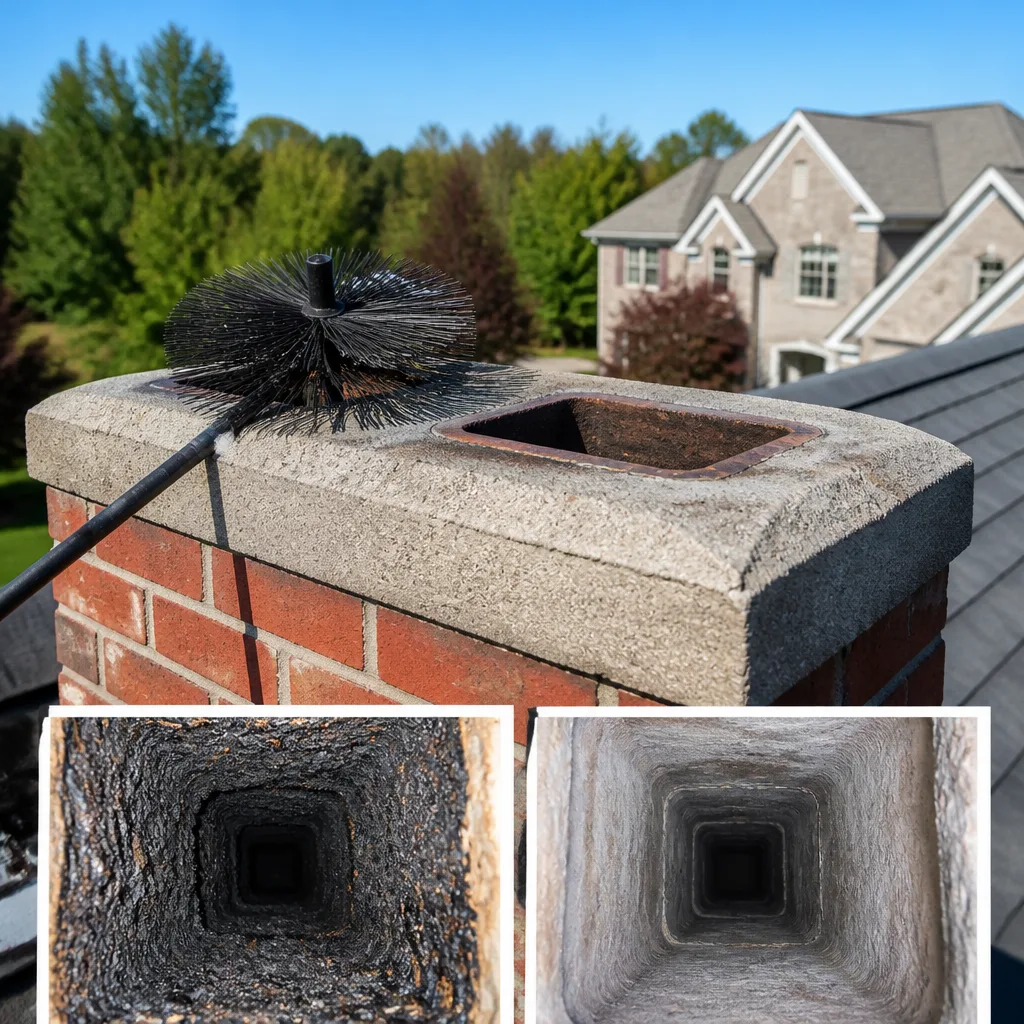 Sweep & inspection
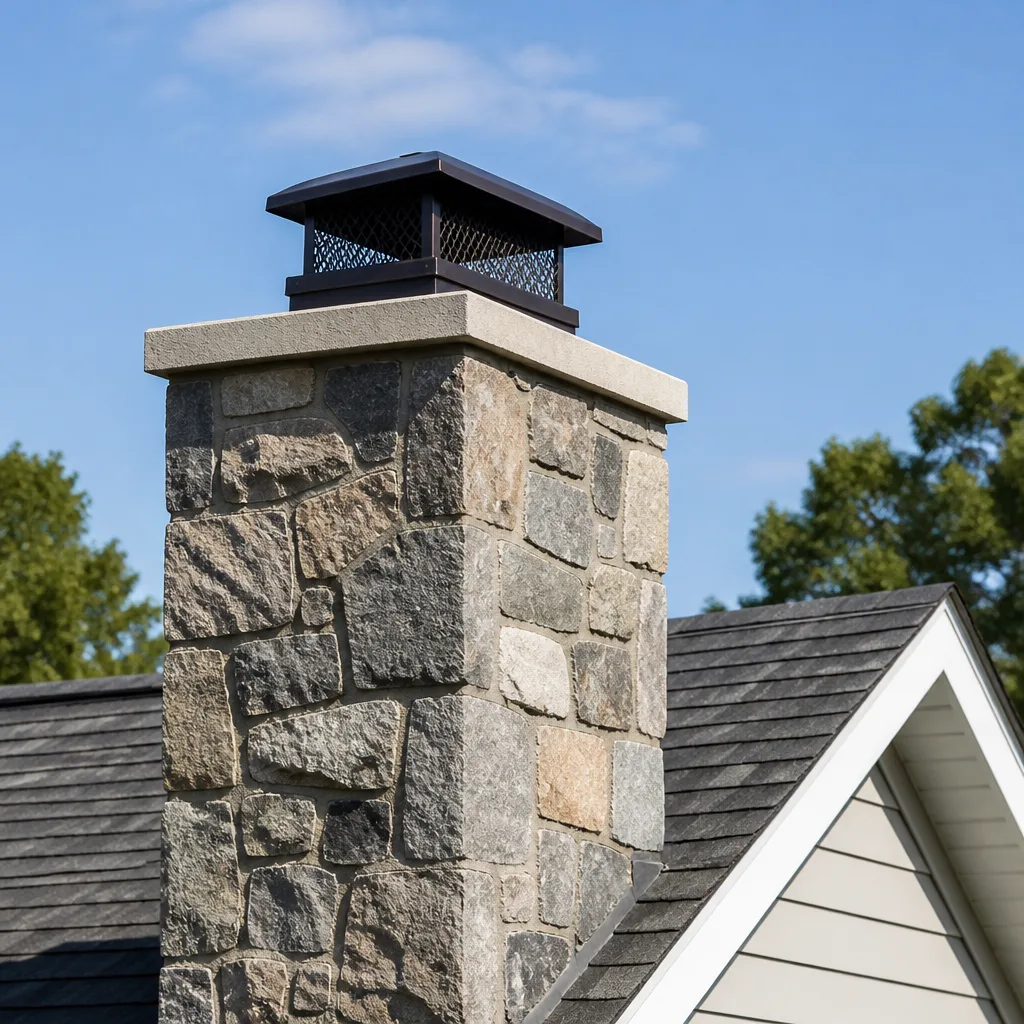 Caps & crowns
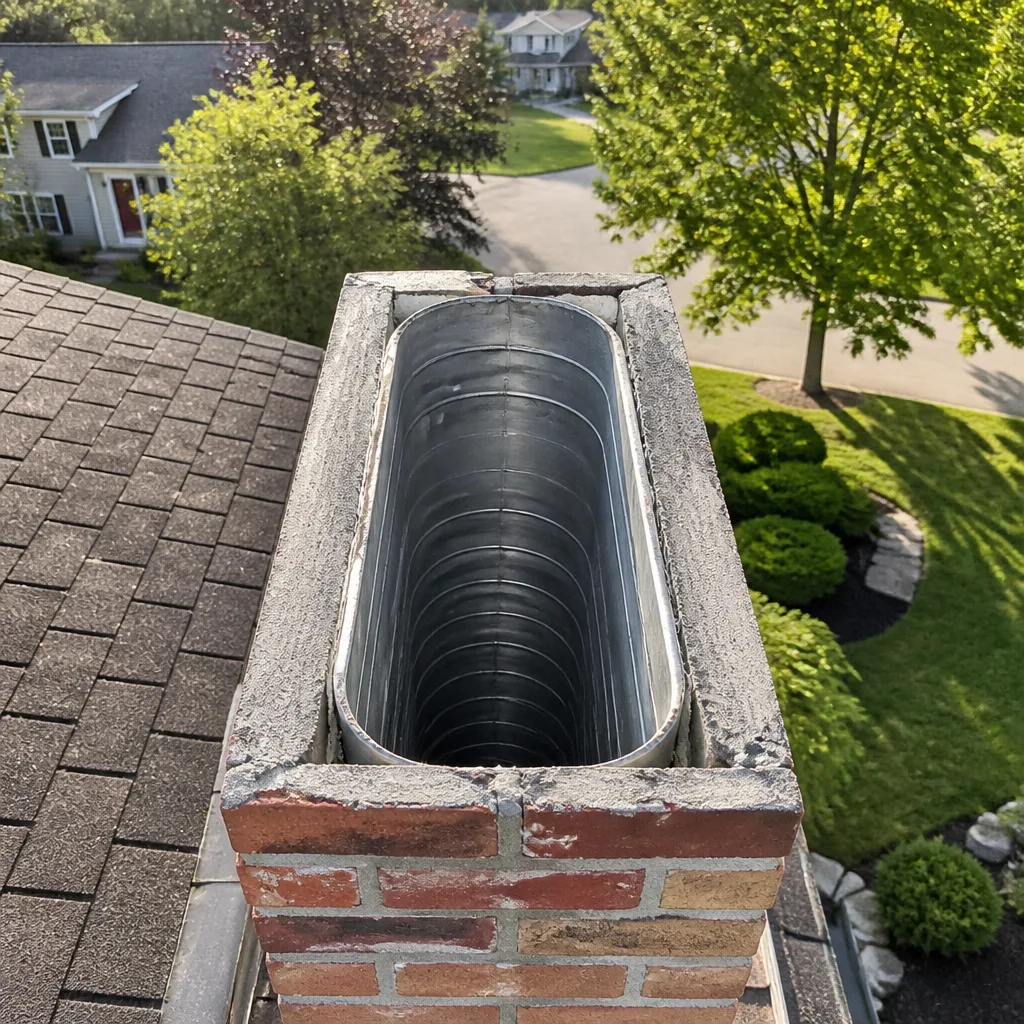 Flue relining
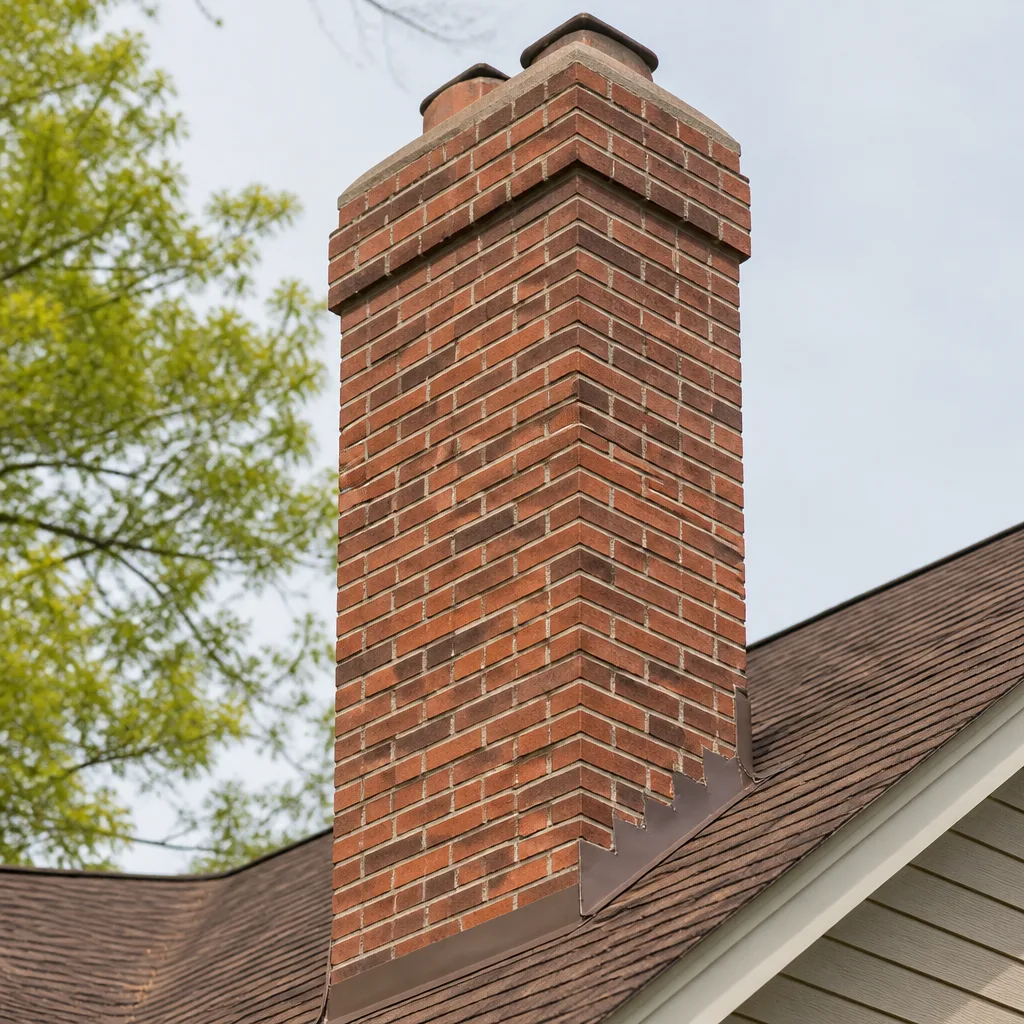 Masonry repair
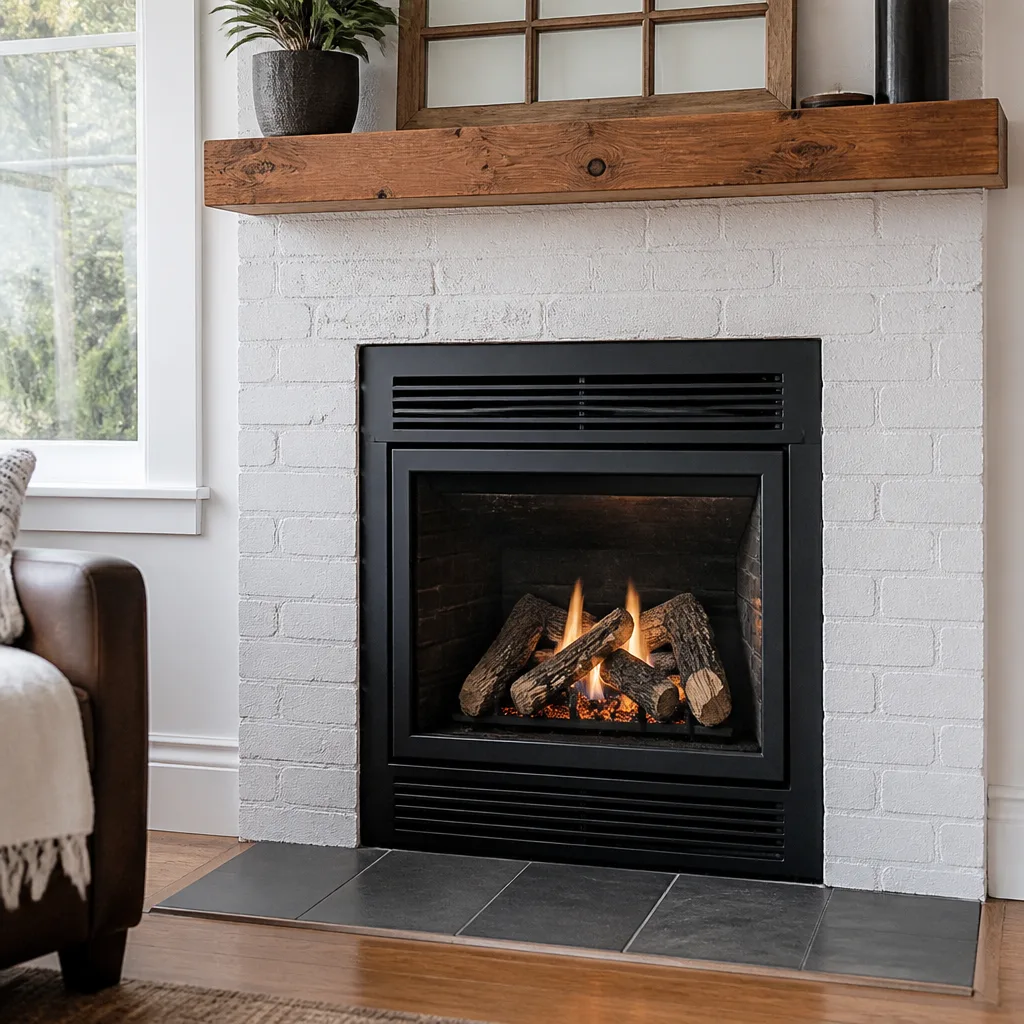 Gas fireplace service
Level 1 sweep and inspection to the NFPA 211 annual standard - flue, crown, cap, and flashing checked and photographed
Chimney sweep logs do not sweep chimneys. They loosen some creosote - which then falls where a brush and vacuum still have to collect it.
Choosing the Right Chimney Cleaning Brand: A Buyer’s Guide for Sandy
Most homeowners in Sandy never ask what brand of product is going into their chimney. They ask for a price, they get a number, and they trust the contractor to put in something decent. That trust is usually misplaced, and not because contractors are dishonest. It’s because material choice is invisible on an invoice. A smoke chamber sealed with generic hydraulic cement and one parged with a manufacturer-backed system look identical from the living room, cost similar up front, and behave completely differently after a few Utah winters. The difference shows up in how long the repair lasts under freeze-thaw cycling, not in the price you pay. This guide names the products worth asking about by name, walks through the four material categories that actually matter in chimney work, and shows you how to read a spec sheet so you know what you’re buying before the work starts. Sandy homeowners who use their fireplace regularly have a real stake here.
Quick Answer
The right chimney products in Sandy are flexible elastomeric crown sealers, manufacturer-backed smoke chamber parging systems like HeatShield, purpose-made flue liner repair compounds, and refractory firebox mortars from established brands such as Gelco and Copperfield. Ask for the brand name and product by name in writing before work begins, and treat any vague answer about “professional-grade materials” as a reason to get a second bid. The brand determines how the repair holds up through Sandy’s freeze-thaw cycles. The contractor determines whether you get the brand you were promised.
Styles & brands we work with
- Sweep & inspection
- Caps & crowns
- Flue relining
- Masonry repair
- Gas fireplace service
Table of Contents
- The Four Product Categories That Matter in Chimney Work
- Why Sandy’s Climate Demands Flexible Materials
- How to Read a Contractor’s Material Spec Sheet
- HeatShield and FireGuard: What They Fix and What They Can’t
- Questions to Ask About Brand Substitution
- The Named Brands Worth Knowing
- Common Mistakes to Avoid
- When to Call a Professional
- Frequently Asked Questions
The Four Product Categories That Matter in Chimney Work
Chimney repair gets talked about as a single service. It isn’t. Four distinct material categories cover almost every repair you’ll pay for, and each has its own performance curve. Understanding them is the first step toward asking the right questions, and it’s the part most homeowners skip.
Crown sealers. The crown is the concrete cap at the top of the chimney that sheds water away from the flue. When it cracks, water gets into the masonry and starts the damage cycle that ends in rebuilds. Crown sealers are the coatings applied over a sound crown to keep it watertight. Flexible elastomeric sealers are the category that matters in Sandy.
Smoke chamber parging compounds. The smoke chamber is the sloped transition between the firebox and the flue. It’s usually rough corbelled masonry, and rough surfaces collect creosote and slow the draft. Parging smooths it. The compound used determines whether the smoothing holds or cracks off within a few seasons. Manufacturer-backed systems in this category are the ones worth asking for.
Flue liner repair systems. These are the products that rebuild or restore the inside of a clay tile liner without pulling it out and installing a new one. HeatShield is the best-known example. These systems fix specific liner problems, and they don’t fix everything. Knowing the limits matters.
Firebox repair mortars. The firebox takes the most direct heat in the whole system. Standard mortar breaks down under that load. Refractory mortars are formulated for high temperature. Copperfield and similar specialty suppliers make products in this category that hold up where general-purpose mortar fails.
If a contractor can’t tell you which brand and product they use in each of these four categories, that’s information. It may be that they use good materials and simply haven’t been asked. It may be that they use whatever is on the shelf. The only way to know is to ask, and to ask a Sandy contractor specifically, because the climate here changes the answer.
Why Sandy’s Climate Demands Flexible Materials
Sandy sits at the base of the Wasatch Range and gets the freeze-thaw cycling that comes with high-desert elevation. Winters swing above and below freezing repeatedly, and summer heat is dry and intense. That combination is hard on chimney masonry. Water gets into small cracks during a warm afternoon, freezes overnight, expands, and pushes the masonry apart a little further each cycle. The same crack that would sit stable in a mild climate widens season by season here.
That’s why the flexibility of the product matters. Rigid cement crown coatings crack under thermal movement. They’re strong in compression and brittle in flex. A chimney expands and contracts with temperature, and a rigid coating can’t move with it. Flexible elastomeric crown sealers are formulated to stretch and recover, so the coating moves with the crown instead of cracking off it.
The same principle applies to the crown itself. A crown that’s poured too rigidly, or repaired with a rigid patch that doesn’t match the movement of the surrounding concrete, tends to crack again at the patch line. The fix that holds is the one that accounts for movement.
The dry summer heat adds a second stress. Masonry that bakes all summer and then soaks in fall rain is being asked to do more than masonry in a stable climate. That’s why we lean toward flexible products in the crown and parging categories and toward refractory products in the firebox. The brand matters because not every product line formulates for these swings. Here in Sandy, we’ve seen repairs with the wrong product fail within a few seasons where the right product has held far longer.
None of this means you need the most expensive product on the market. It means the product needs to be formulated for the climate. A flexible sealer from a recognized brand is worth more than a rigid sealer from a premium-sounding label.
How to Read a Contractor’s Material Spec Sheet
A spec sheet tells you what’s going into your chimney. Most homeowners never see one. When you ask, here’s how to read it, and what to look for when a Sandy contractor hands you a bid.
- Look for the product name, not just the brand. “HeatShield” tells you something. “Professional-grade parging compound” tells you nothing. A real spec names the product line.
- Check the manufacturer’s published use case. Every legitimate product has a stated application. If the product is listed for crown sealing, it isn’t a firebox mortar. If a contractor’s spec shows a product being used outside its published application, ask why.
- Confirm the product is listed for exterior or interior use, whichever applies. Crown products are exterior. Smoke chamber compounds are interior. The formulations differ.
- Ask for the warranty terms in writing. Manufacturer-backed systems carry their own warranty language. Generic materials usually don’t. The HeatShield system, for example, comes with its own product warranty. Ask to see the terms.
- Watch for the word “or equivalent.” This phrase means the contractor reserves the right to substitute. It isn’t inherently bad, but you should know what “equivalent” means to them before you sign.
“Professional-grade” is marketing language until you see a brand name attached. The moment you can look up the product and read its published specifications, you’ve moved from marketing to verifiable information. That’s the standard worth holding any chimney contractor to. Our own rule is simple: professional-grade materials, brands you can look up and verify.
The same principle applies when you book a routine chimney sweep. There’s less material involved, but the inspection that comes with the sweep is where the material conversation should start. A sweep that doesn’t come with a real inspection leaves you guessing about what’s above the firebox.
HeatShield and FireGuard: What They Fix and What They Can’t
HeatShield and FireGuard are liner repair systems, and they’re the products that generate the most confusion and the most sales pressure. Understanding what they actually do is the single best defense against an unnecessary relining quote.
Both systems work inside the existing flue. The technician cleans and prepares the interior of the clay tile liner, then applies a repair compound that seals cracks, gaps, and spalled areas. The result is a smooth, sealed liner surface that restores the flue’s ability to contain combustion gases and resist creosote accumulation. HeatShield is the better-known of the two and is backed by a manufacturer warranty.
What these systems fix:
- Hairline and moderate cracks in clay tile liners
- Gaps at tile joints
- Spalling and surface deterioration
- Rough interior surfaces that collect creosote
- Some offset and misaligned flues, depending on the geometry
What they can’t fix:
- Missing tiles or sections of liner
- Severely deteriorated liners where the structural tile has failed
- Flues where the liner is completely absent (common in very old homes)
- Flues that need a change of size or shape for a new appliance
When the liner damage falls in the “fixable” column, HeatShield resurfacing is a legitimate alternative to full relining. It costs less and it extends the life of the existing liner. When the damage falls in the “can’t fix” column, no amount of resurfacing will make it right; the liner needs to be replaced, and a DuraFlex flexible liner is the standard solution for complex or offset flues. We carry the systems for both, which means we have no reason to push one over the other. Liner restoration or full relining: we carry the systems for both.
The sales pressure in this category comes from companies that only offer one option. If a contractor’s only tool is a liner replacement, then every liner problem looks like a replacement problem. Our standard is to give you the camera evidence first and let the actual condition of the liner decide. If HeatShield resurfacing will do the job, we say so, and if the liner needs to come out, we say that too. We tell you what your chimney actually needs, not what sells the biggest job.
Questions to Ask About Brand Substitution
You’ve asked for HeatShield on your smoke chamber and a flexible elastomeric sealer on your crown. The bid says that. Then the day of the job arrives, and the contractor tells you they’re out of that product and using “an equivalent.” That’s the moment the spec sheet either means something or it doesn’t. Here are the questions to ask before you sign, so the answer is settled in advance.
- What happens if the specified product is out of stock on the day of the job? The best answer is a clear one: they’ll either source it, reschedule, or call you before substituting. If the answer is vague, ask them to write the policy into the contract.
- What counts as an acceptable substitute? Ask the contractor to name the specific products they’d substitute, and to confirm those products are formulated for the same application and climate. “Something similar” isn’t an acceptable answer.
- Who approves the substitution? You do. Not the contractor, not the crew lead. Make it explicit in writing that the contractor will call you before any substitution, and that you have the right to decline.
- Will the substitute carry the same warranty? If the original product carried a manufacturer warranty and the substitute doesn’t, the substitution changes what you’re buying. That should be disclosed before the work, not after.
- Is there a price difference? If the substitute costs less, the bid price should reflect it. If it costs more, that should be a conversation, not a surprise line item.
- Can I see the product label before it goes in? A reputable contractor will have no problem showing you the container or the product documentation. It’s your chimney and your money.
Brand substitution isn’t automatically a problem. Supply chains run short, and a good contractor with a good substitute is better than a good contractor with no product. What matters is that the substitution is disclosed, documented, and approved by you. A chimney specialist with a real material program has this policy worked out in advance. Sandy homeowners deserve to know what’s going on their chimney before it goes there.
The Named Brands Worth Knowing
You don’t need to memorize a catalog, but you should recognize the names that come up in bids and know roughly what they make. The brands below show up regularly in professional chimney work, and each covers a different part of the system. We work with all of them, and we’ll name them in your bid so you know what you’re buying.
- HeatShield. A liner repair system for smoke chambers and flues. It’s the product most often discussed as an alternative to full liner replacement, and it carries its own manufacturer warranty.
- DuraFlex. Flexible stainless steel liner systems, the standard solution for relining older, offset, or irregular flues that rigid liner installers turn down. If your chimney has an offset, this is the name you’re likely to see.
- Gelco. A specialty supplier in the crown sealer and masonry coating category. Products in this line are formulated for exterior masonry exposed to weather movement.
- Olympia Chimney. Manufactures chimney components including caps, liners, and related products. A recognized name in the chimney supply category.
- Famco. One of the chimney industry’s longest-standing specialty suppliers, known for caps, dampers, and related components.
- Copperfield. Another long-standing supplier in the chimney specialty category, with products spanning firebox and flue components.
Seeing two or three of these names on a bid is a good sign. Seeing none of them, and seeing “premium materials” instead, is a signal to ask more questions. The goal isn’t to only use one brand. It’s to use named, verifiable products from recognized manufacturers, matched to the application and the climate.
Our full scope covers the whole chimney from the firebox to the crown. We handle fireplace repair and chimney cap & crown work with the same named-brand approach, plus the structural repair that keeps the whole system working. From the first inspection to the final repair, one team. No referrals needed for standard chimney work, and no mystery stock going into your chimney.
Common Mistakes to Avoid
- Accepting “professional-grade materials” without a product name. This phrase appears on every bid and means nothing specific. Ask for the brand and product name in writing, and look up the manufacturer’s published use case before you sign.
- Choosing a crown sealer by price alone. A rigid sealer costs less and cracks within a few seasons in Sandy’s freeze-thaw cycle. A flexible elastomeric sealer from a recognized brand costs more and holds. The up-front difference is small compared to the cost of redoing the crown.
- Letting a contractor substitute products without notice. If you’ve specified HeatShield and the crew shows up with something else, you’ve lost the thing you were buying. Put a substitution approval clause in writing before work starts.
- Paying for liner replacement when HeatShield resurfacing would work. These systems exist precisely because many liners can be restored rather than replaced. Getting a second opinion is cheap; a full relining you didn’t need is not.
- Skipping the inspection to save money. An inspection is the diagnostic step. It’s how you learn whether your crown is cracked, your smoke chamber is rough, or your liner is failing. A sweep without an inspection leaves you guessing about the parts of the chimney that cause the real problems.
- Assuming a handyman is a chimney specialist. Chimney work has its own material categories and its own failure modes. A generalist may be perfectly competent at other trades and still not know which crown sealer works in high-desert freeze-thaw. That’s a Sandy-specific point: not every contractor who’s good at roofs is good at chimneys.
- Never asking to see the camera evidence. A repair recommendation without camera footage is an opinion. If the sales pitch starts with a problem and ends with a price, slow down and ask to see the inspection report. That’s not a mark of distrust; that’s how a fair bid works.
When to Call a Professional
Most chimney problems announce themselves before they become serious, but only if someone is looking. Call a professional when you’ve had a fire, when you’ve noticed creosote buildup, when the draft is inconsistent, or when you haven’t had the chimney inspected in more than a year of regular use.
Call right away when you see visible damage: cracked crown, loose masonry, spalling brick, a broken or missing cap, a cracked smoke chamber, or a firebox that’s deteriorated. These aren’t jobs for a general handyman. Each one involves a material choice, and each choice affects how long the repair lasts under Sandy’s freeze-thaw cycling.
Call before a home sale, too. Buyers and sellers both benefit from an inspection report that documents the actual condition of the system. Standalone inspections, not bundled as a loss-leader, give you a real diagnostic rather than a sales funnel.
Our technicians have up to 8 years of experience and are trained on every brand we install. Sandy Chimney Sweep Pros offers free estimates in Sandy. Call (844) 625-7409. We answer 24/7. Fast dispatch from 7am to 7pm, Sunday through Friday. If you have questions before you call, the Sandy Chimney Sweep Pros page covers the full scope of what we handle.
See the difference
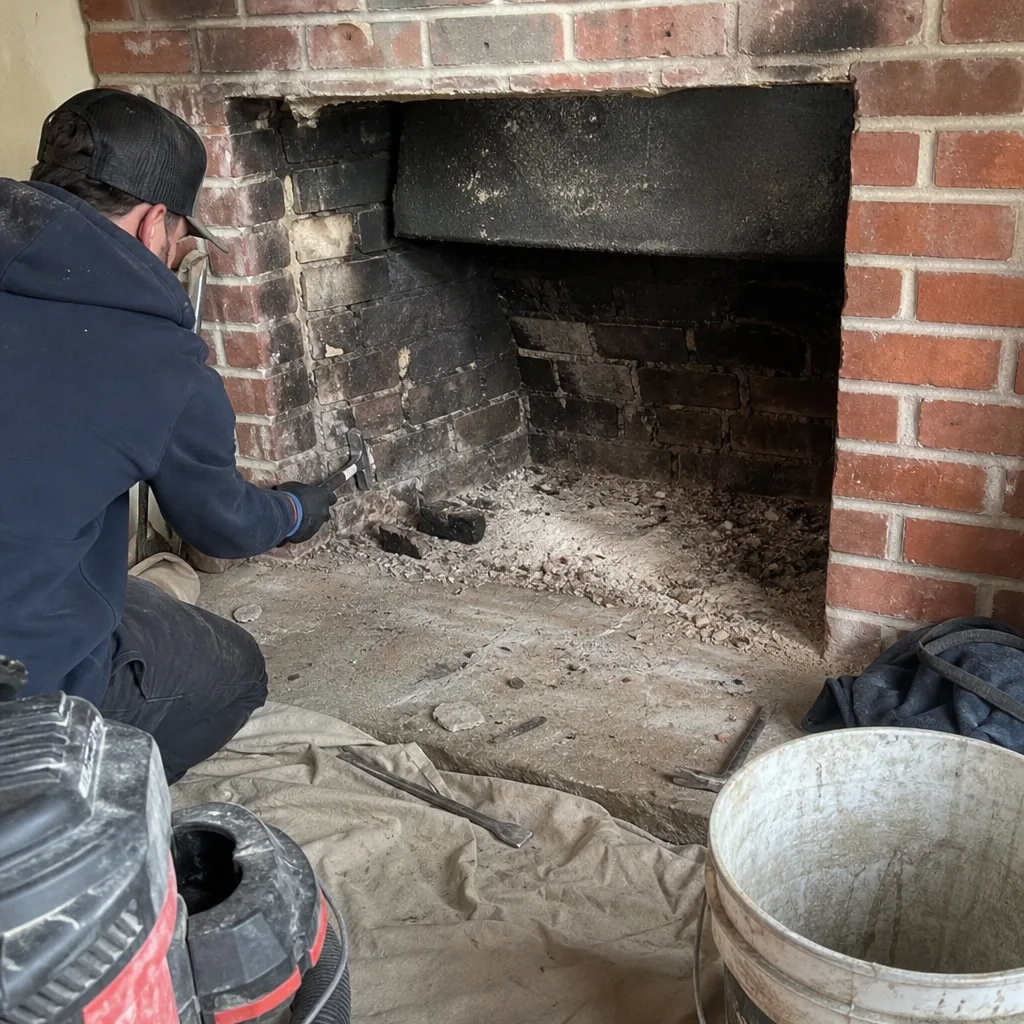 Before
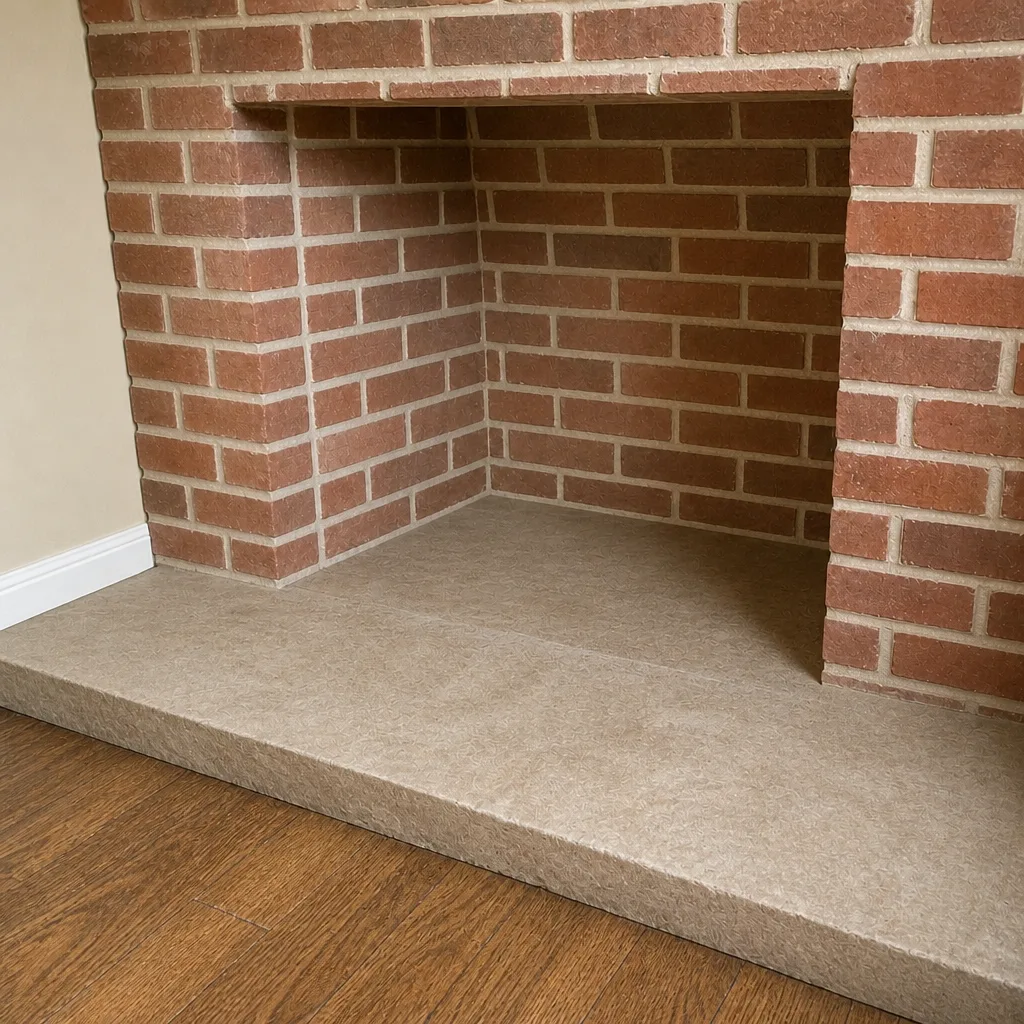 After
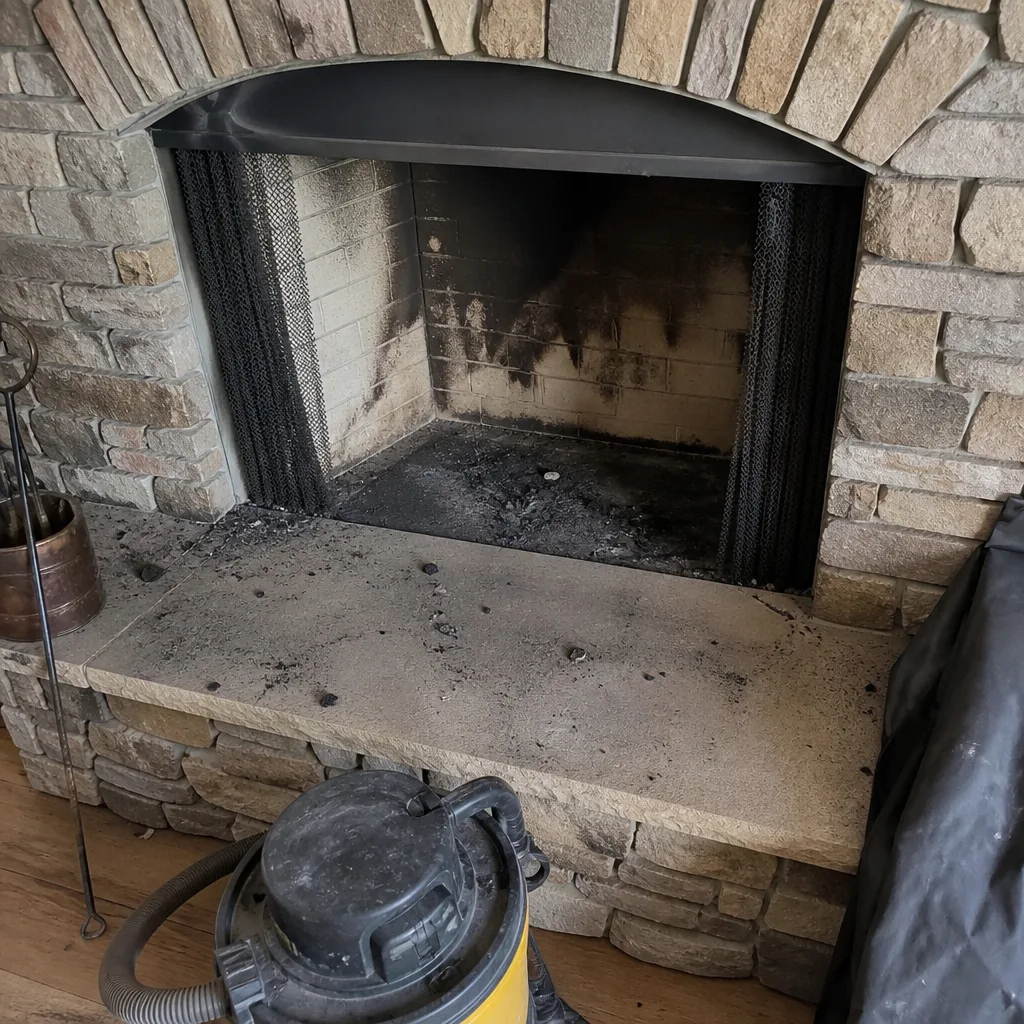 Before
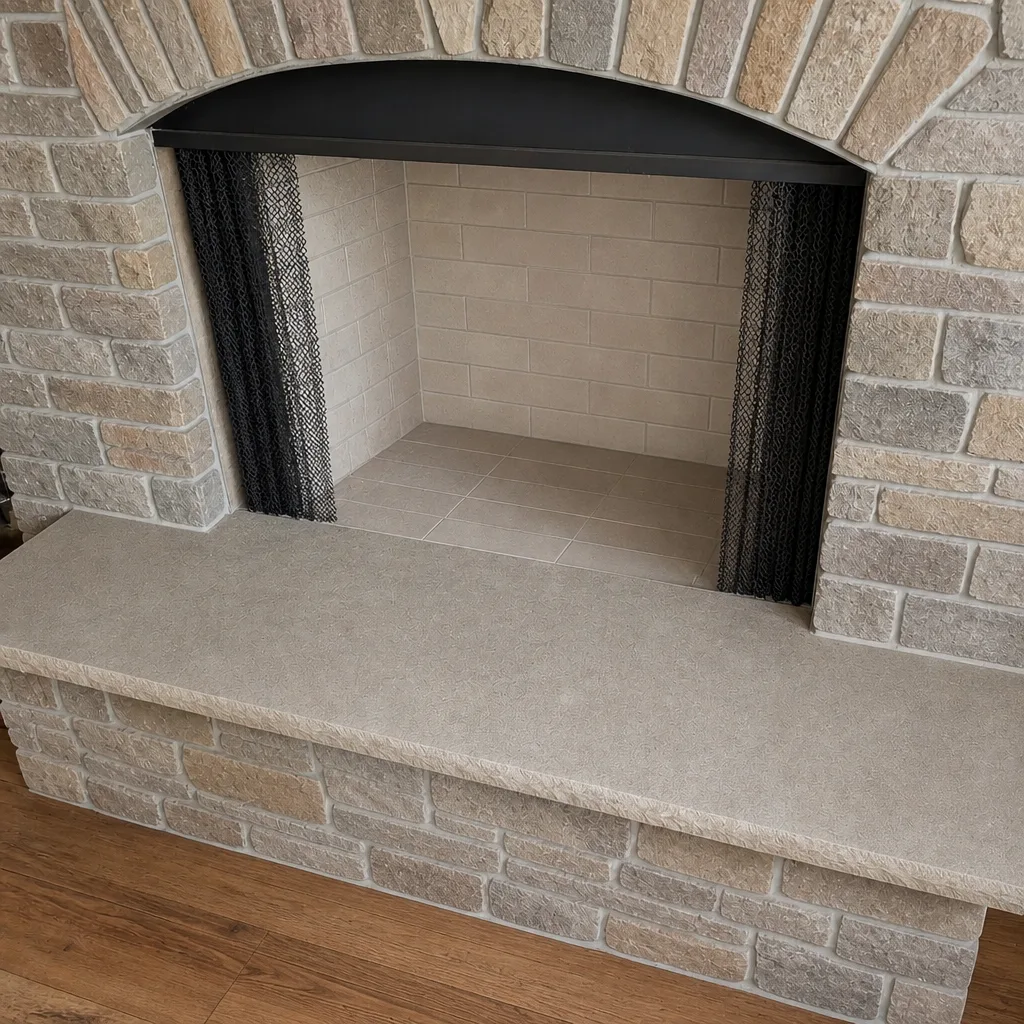 After
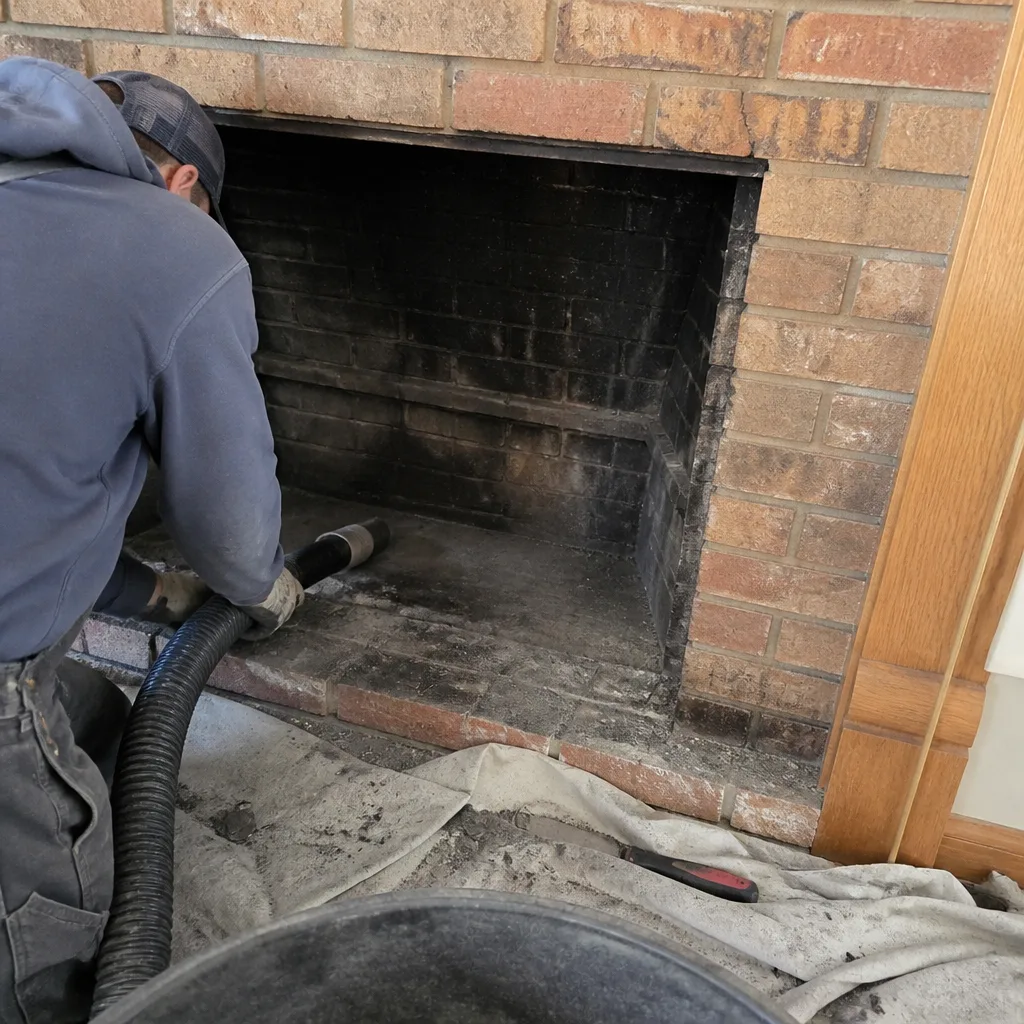 Before
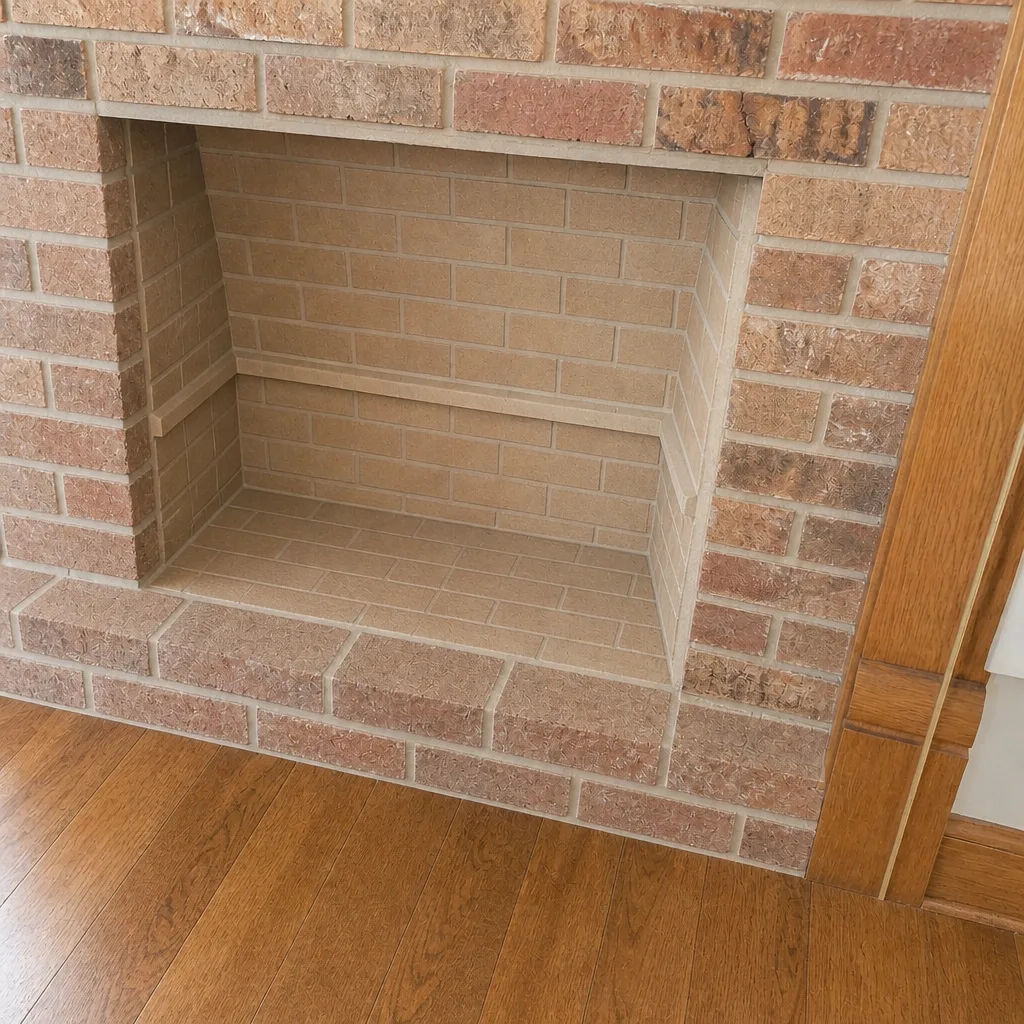 After
Frequently Asked Questions
Chimney repair costs in Sandy vary by scope: a crown sealer application is one thing, a smoke chamber resurfacing another, and a full relining another still. The estimate is free and the written bid sets the final price. Call (844) 625-7409 for an exact quote.
HeatShield will fix hairline and moderate cracks, joint gaps, and surface spalling, but it cannot fix missing tiles or a structural failure of the clay liner. The inspection determines which category your liner falls into, and the repair recommendation follows from that evidence. Ask to see the camera footage, and if the liner needs replacing, that’s what we’ll tell you. Call (844) 625-7409 for an inspection and a straight answer.
We use Gelco and Copperfield in the crown and masonry categories, HeatShield for smoke chamber parging and liner resurfacing, and DuraFlex for flexible liner installations. Olympia Chimney and Famco cover caps and related components. The brand names go on your bid so you can look them up.
Ask for the product name and manufacturer. A real spec sheet names the product line, states the application, and points to the manufacturer’s published use case. If the bid says “professional-grade materials” with no brand, you haven’t been given the information yet. Any reputable contractor will show you the container or the product documentation on request.
We call you before substituting anything. The bid includes the substitution policy in writing, and you approve any substitute before it goes on your chimney. That’s the standard we hold ourselves to, and it’s the standard worth asking of any chimney contractor in Sandy.
Some exterior products, such as certain crown sealers, need temperatures above a specified floor to cure properly, so winter work may be scheduled around the weather. Interior work like smoke chamber resurfacing is less affected. If your chimney has a problem, book the inspection first: we’ll tell you what can be done now and what can wait until spring. The urgency here is seasonal, not hourly. Call (844) 625-7409.
The Bottom Line
The brand of product going into your chimney determines whether the repair lasts a few seasons or far longer, and Sandy’s freeze-thaw climate makes the difference real. Flexible elastomeric crown sealers outperform rigid cements. Manufacturer-backed smoke chamber systems like HeatShield hold better than generic hydraulic compounds. HeatShield and FireGuard are legitimate alternatives to full relining when the damage falls within their limits, and they can’t make up for a liner that needs replacement. DuraFlex flexible liners handle the offset and irregular flues that rigid installers turn down. Ask for the brand by name, read the spec sheet, and settle the substitution question in writing before work starts. Our technicians have up to 8 years of experience with these products, and our full scope means one team from the first inspection to the final repair. Whether you need a sweep, a fireplace repair, or a chimney cap & crown, we name the products and stand behind the work.
Ready to Know What’s Actually Going Into Your Chimney?
If your chimney has a cracked crown, a rough smoke chamber, or a liner you’re not sure about, the first step is a real inspection with camera footage you can see for yourself. Nothing gets recommended without evidence, and nothing gets repaired without a written bid that names the brand and the product. We work with recognized professional-grade brands so the materials going into your home are the ones you approved. Call (844) 625-7409 for a free estimate. We answer 24/7. Fast dispatch from 7am to 7pm, Sunday through Friday, and we’re closed Saturday. If you’ve got questions about the scope of work, the Sandy Chimney Sweep Pros page shows the full service menu, and you can always start with a chimney sweep and let the inspection guide the conversation from there.
Written by the team at Sandy Chimney Sweep Pros.