
Last updated November 24, 2026
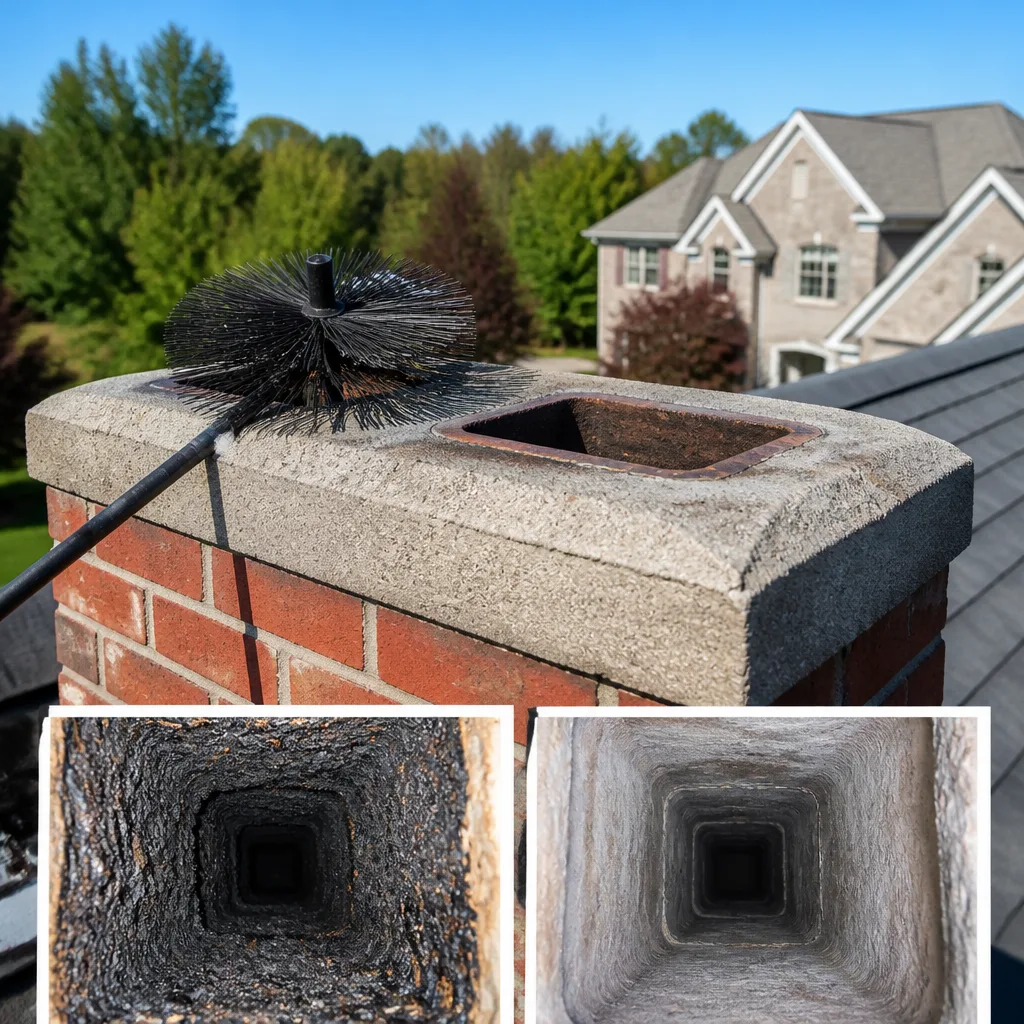 Sweep & inspection
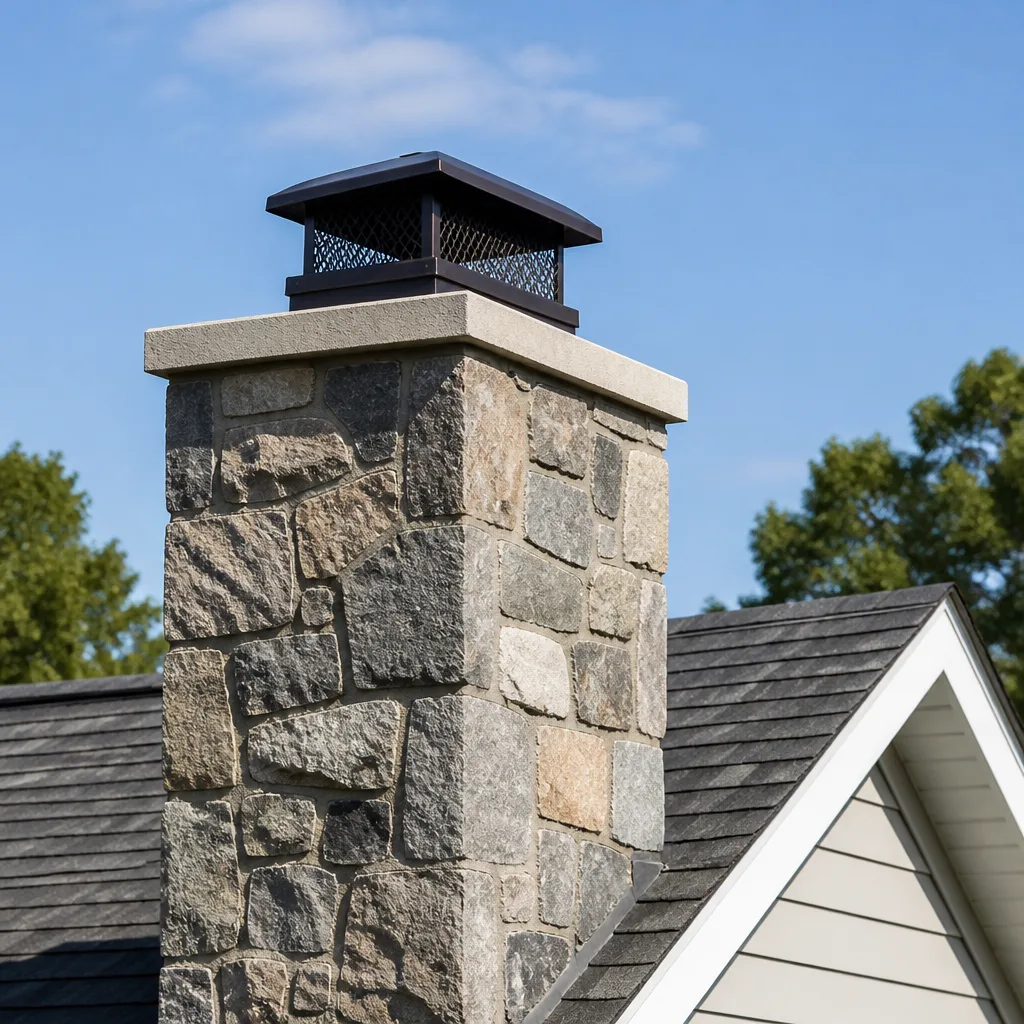 Caps & crowns
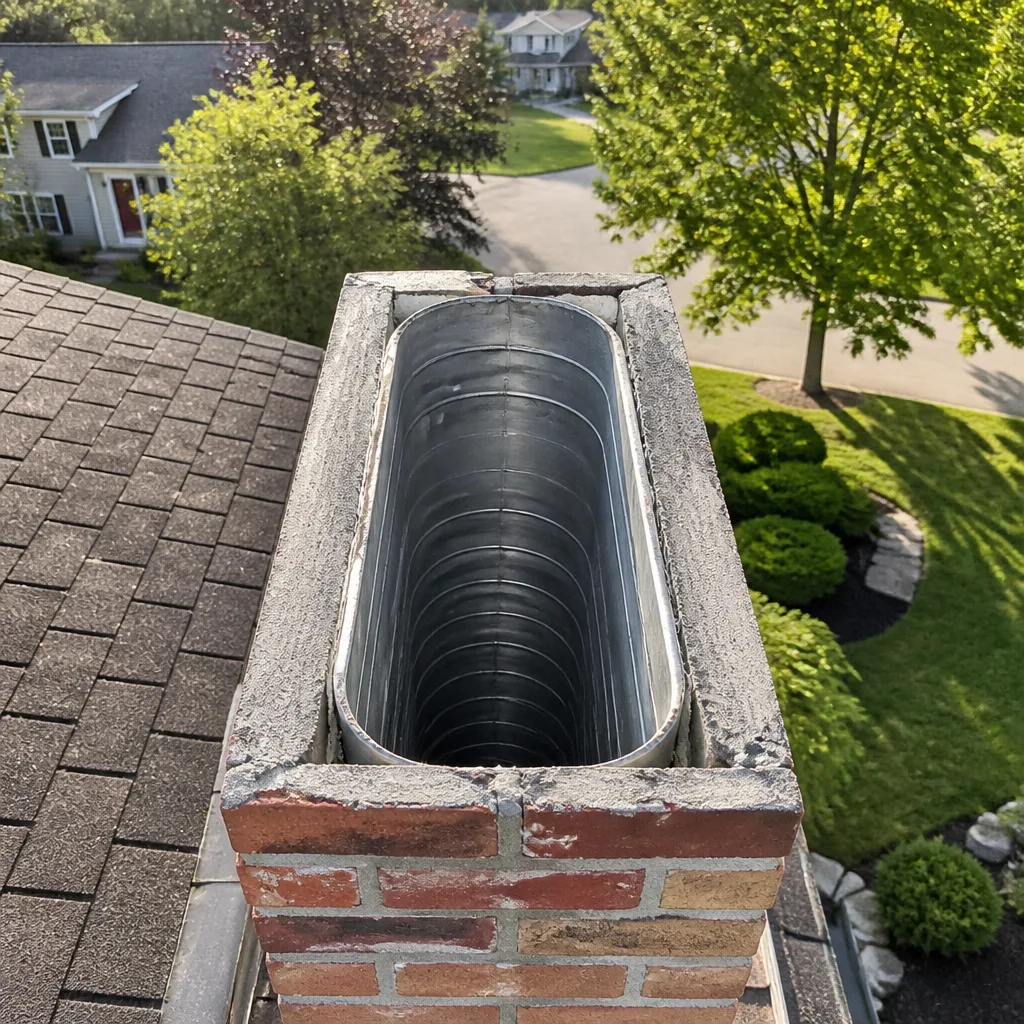 Flue relining
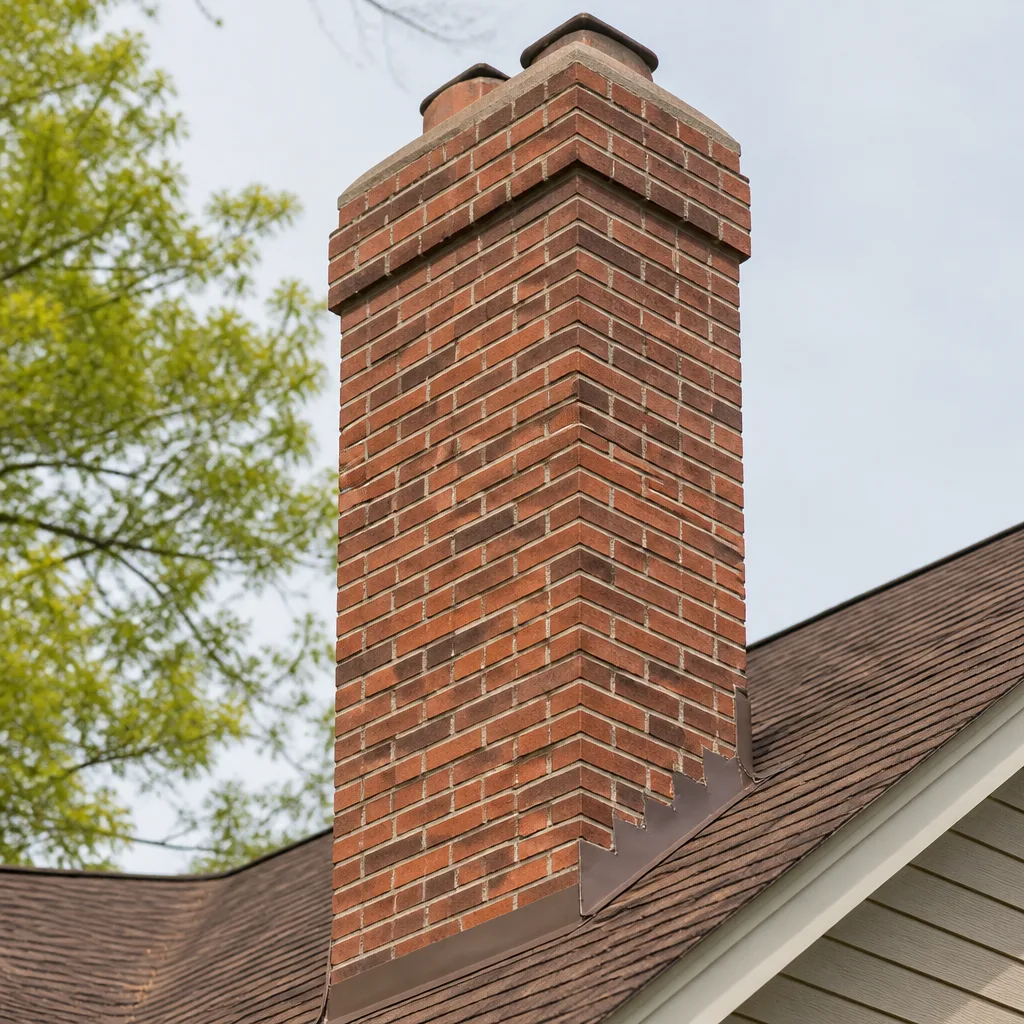 Masonry repair
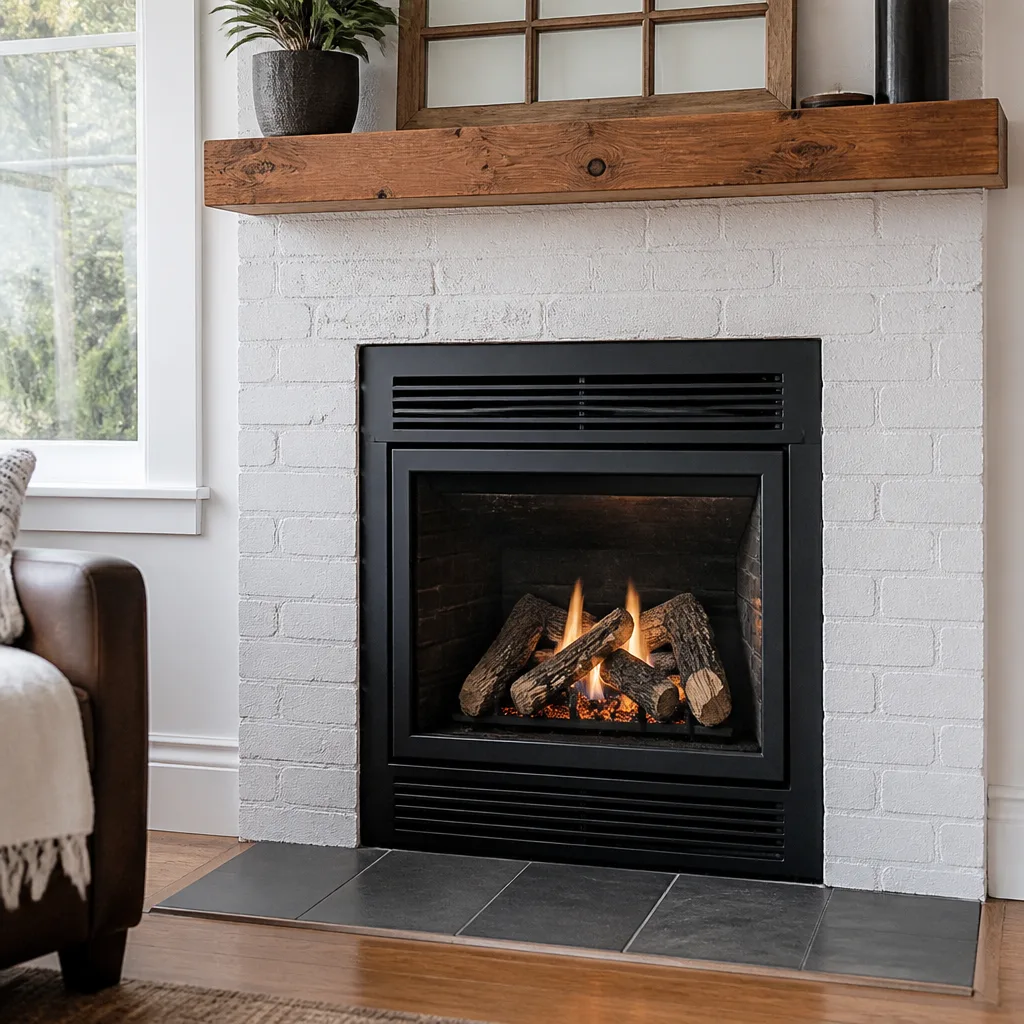 Gas fireplace service
Level 1 sweep and inspection to the NFPA 211 annual standard - flue, crown, cap, and flashing checked and photographed
Chimney sweep logs do not sweep chimneys. They loosen some creosote - which then falls where a brush and vacuum still have to collect it.
Chimney Sweep Maintenance Checklist for Sandy Homeowners
Most chimney problems don’t announce themselves with smoke rolling into the room. They start small: a hairline crack in the crown, a chalky white stain on the brick, a damper that sticks a little more each season. A homeowner who knows exactly what to look for between professional visits catches the 20% of chimney problems that develop mid-season, before they become emergency repairs. This checklist is built differently from the generic ten-point lists you’ll find elsewhere. Every item is sorted by what you can safely observe yourself and what requires a trained eye, with clear decision triggers for each. You’ll learn how Sandy’s high-desert climate and housing stock affect your chimney, how to log observations year over year, and when to stop looking and start calling.
Quick Answer
A chimney maintenance checklist for Sandy homeowners covers four things: annual professional sweeping and inspection, seasonal visual checks you can do yourself (crown, flashing, damper, cap), prompt attention to any interior signs of creosote buildup or water intrusion, and a written log of what you observe each year. Most Sandy chimneys need a professional sweep once a year, and a standalone inspection is worth booking separately from any cleaning so the findings are unbiased. The homeowner’s job between visits is observation: watch for crown cracks, efflorescence, and damper resistance, and call when something changes.
Styles & brands we work with
- Sweep & inspection
- Caps & crowns
- Flue relining
- Masonry repair
- Gas fireplace service
Table of Contents
- Why a Chimney Checklist Matters in Sandy, Utah
- What You Can Check Yourself: The Exterior Pass
- Interior Signs You Can See With a Flashlight
- Seasonal Triggers Unique to Sandy’s Climate
- What Looks Like a DIY Task But Requires a Certified Sweep
- How to Document and Log Your Observations
- Common Mistakes to Avoid
- When to Call a Professional
Why a Chimney Checklist Matters in Sandy, Utah
A chimney in Sandy faces conditions that a homeowner in a humid climate never thinks about, and conditions a homeowner in a mild climate never sees. Sandy sits at the base of the Wasatch Range at roughly 4,500 feet, which means cold winters with repeated freeze-thaw cycles, heavy snow loads on roofs, and a spring melt that pushes water into every crack it can find. Those cycles stress masonry more than a steady cold does. A hairline crack in a chimney crown that opens and closes with the freeze-thaw rhythm lets in water slowly enough that you won’t notice until the staining appears on the ceiling below.
The other half of the local picture is inversion season. Along the Wasatch Front, winter inversions trap cold air and pollutants in the valley, and burning behavior changes. Some homeowners burn more often during a long inversion because the air outside is unpleasant; some burn less. Either way, creosote accumulates at a rate that depends on burning habits, wood moisture, and flue temperature, none of which a yearly glance can reveal. That’s why the checklist pairs observation with professional inspection: you see what’s visible, and a certified sweep sees what isn’t.
Sandy’s housing stock matters too. Neighborhoods like Dimple Dell, Granite, and the older sections near Historic Sandy include homes built across several decades with a range of chimney types: masonry fireplaces with clay tile liners, prefabricated metal fireplaces, and wood-burning inserts. Each type ages differently. A clay tile liner cracks; a metal liner can develop a seam separation; an insert changes the flue’s performance. A checklist written for one type misses the others, so this guide covers the general categories without assuming yours is any particular one.
We’ve worked through enough Sandy homes to know that the most common scenario isn’t a catastrophic failure. It’s a chimney that’s a little out of spec, a little overdue, and completely invisible from the living room. The checklist below closes that gap.
What You Can Check Yourself: The Exterior Pass
Quick Answer: From the ground with a pair of binoculars, you can safely spot the four exterior symptoms that most often indicate a chimney needing professional attention: crown cracking, white staining on the brick (efflorescence), damaged or missing flashing, and a cap that’s loose, rusted, or missing entirely. Anything beyond spotting and logging those symptoms is a job for a professional on a roof with the right equipment.
We want to be clear about the boundaries here. This section is about the check you do with your feet on the ground. We’re not describing roof-climbing or ladder work, because a fall from a roof is a serious injury, and chimney exteriors are not the place to teach yourself height work. Grab binoculars, walk to a vantage point on the lawn or across the street, and look at these four things.
1. The Crown
The crown is the sloped concrete or mortar cap at the very top of a masonry chimney, designed to shed water away from the flue. Look for visible cracks, separation from the chimney wall, or crumbling edges. A crown that has pulled away from the flue lets water run straight down into the chimney interior. This is one of the most common fixable problems we encounter in Sandy, and one of the most common causes of masonry deterioration that starts small and grows expensive.
2. Efflorescence
Efflorescence is the chalky white staining that appears on brick or mortar when water moves through the masonry and leaves mineral deposits on the surface as it evaporates. It’s not dangerous on its own, but it’s a message: water is getting inside. On a Sandy chimney, efflorescence that appears or spreads from one year to the next usually points to a cracked crown, failed flashing, or a masonry joint that’s absorbing moisture. Log its location and extent each year so you can tell whether it’s stable or growing.
3. Flashing
Flashing is the metal that seals the roof-to-chimney joint. Look for lifting, rust, gaps, or missing pieces at the base of the chimney where it meets the roof. Failed flashing is a leading path for water intrusion, and in Sandy’s freeze-thaw winters, water that gets behind flashing expands as it freezes and can widen the gap. If you see lifted flashing, note it and call.
4. The Cap
A chimney cap keeps rain, snow, debris, and birds out of the flue. Look for a loose, missing, or rusted cap, and check whether the spark screen is intact. A missing cap on a Sandy chimney is a real problem because snow can drop directly into the flue, and on a cold night that’s a blockage waiting to happen. Cap issues are straightforward to repair and worth flagging immediately. If you want a professional to handle installation or replacement, chimney cap & crown work is a category we handle directly.
Interior Signs You Can See With a Flashlight
Quick Answer: With a flashlight (and a phone camera to photograph what you see), a Sandy homeowner can safely check for these interior signs: soot flaking on the firebox walls, a damper that sticks or won’t open fully, creosote visible on the smoke chamber above the damper, a smoky smell in the room when the fireplace isn’t in use, and rust or water staining inside the firebox. If any of these appear, it’s time for a professional inspection.
You don’t need to stick your head into the firebox or reach up into the smoke chamber. The checks below are surface observations, done from the hearth with a light. Use a phone camera zoomed in to capture what you see, because comparing a photo year over year tells you far more than your memory will.
- Look at the firebox walls. Some soot is normal. Heavy, flaking, or glazed soot is a sign of incomplete combustion and possible creosote accumulation higher in the flue.
- Operate the damper. It should open and close smoothly. Resistance, a grinding feel, or a damper that won’t stay open is a signal to stop using the fireplace until a professional checks it.
- Look up the smoke chamber with a flashlight and camera. You may see buildup on the walls above the damper. Note its appearance and thickness as best you can. Do not reach up with a brush or tool to remove it.
- Smell the room when the fireplace is cold. A strong smoky odor when there hasn’t been a fire in days often means creosote buildup or a draft problem. Both are professional inspection topics.
- Check for rust or water stains inside the firebox or around the damper. Any rust inside the firebox means water is getting in from above.
- Look for debris at the base of the flue. Fallen leaves, twigs, and animal nesting material (birds and squirrels) are common in Sandy, especially with mature trees in neighborhoods like Dimple Dell and near the Dimple Dell Regional Park trail corridors.
If two or more of these appear at once, treat that as a stronger signal than any single observation. Write down what you saw and photograph it. That record will make your next sweep appointment more productive.
Seasonal Triggers Unique to Sandy’s Climate
Quick Answer: Sandy chimneys benefit from three specific seasonal checkpoints: a pre-first-fire check in fall (before your first burn of the season), a post-inversion-season inspection in late winter or early spring, and a post-heavy-snowfall crown review after any event that leaves significant accumulation on the roof. These three checkpoints catch what a single annual sweep might miss.
A standard annual sweep is the baseline. But in Sandy specifically, the calendar has natural checkpoints that make the annual visit more effective if you work with them. Here’s how we think about the year.
Fall: Pre-First-Fire Check
Before you light the first fire of the season, run the interior pass described above. Operate the damper, look up the flue, and check that the cap is intact. This is the right time to book the annual sweep, because your chimney will accumulate creosote over the winter whether you’re looking or not, and starting a season with a clean flue and a fresh inspection means you know the baseline. If your annual service has slipped more than a year, this is the moment to catch up.
Late Winter / Early Spring: Post-Inversion-Season Inspection
Wasatch Front inversions typically build through December and January and break as the valley flushes out in February or March. By that point, you’ve had a season of burning, and if your burning habits changed during the inversion, the flue will show it. An inspection after the season tells you what the winter actually deposited, and catches any freeze-thaw damage that opened up during the cold. Early spring is also a good time to have the crown and flashing evaluated before the melt gets into any new cracks.
Post-Heavy-Snowfall: Crown Review
Heavy snow loads on a Sandy roof are different from a light covering. When significant snow accumulates on the chimney structure itself, the weight stresses the crown and masonry joints, and the freeze-thaw cycle that follows does the rest. After a heavy snowfall event, walk to a vantage point and look at the crown and flashing. If you see movement, separation, or new cracking, log it and call. You don’t need to be on the roof to spot these.
One more seasonal note: Sandy’s spring melt sends a lot of water down and around roofs. That’s the time when interior water staining most often appears. If you notice a damp spot or new staining on the ceiling or walls near the chimney, that’s a call-us-now signal, not a wait-and-see.
What Looks Like a DIY Task But Requires a Certified Sweep
Quick Answer: Two chimney tasks look like DIY jobs but aren’t: brushing the flue with a standard chimney brush, and cleaning the smoke chamber above the damper. The reason is a liner inspection. When you brush a flue without inspecting the liner, you can sweep away deposits that were actually hiding damage, and you may disturb a liner that was already compromised. What looks like cleaning can mask a problem that needed professional attention before the brush went in.
We understand the appeal of a Saturday morning with a brush and a ladder. It feels like maintenance. But the flue is a safety system, and its condition is not visible from the bottom. Brushing without a liner inspection is where DIY chimney work goes wrong most often, because the deposit pattern on a damper or smoke chamber can tell a certified sweep which part of the flue is underperforming, whether the liner has a crack or a separated seam, and whether the creosote is in a state that’s safe to sweep at all.
What the professional process actually involves is inspection first, then cleaning, then a second inspection, then a report. That sequence is why we offer chimney inspection as a standalone service at Sandy Chimney Sweep Pros. An inspection that’s not bundled as a free loss-leader is diagnostic in the honest sense: the finding should be able to stand on its own, whether or not any work follows. When a sweep produces a photo report showing what was found and what was done, you have evidence instead of a verbal claim.
The other category that looks DIY but isn’t is anything involving the crown, the cap, or the flashing. Those live on the roof, and roof work is a real injury risk. We also don’t recommend applying masonry sealant to a chimney yourself, because the wrong sealant on the wrong surface traps moisture instead of keeping it out. If you’re not sure what your brick needs, a professional can tell you whether it needs sealing at all, and with what.
There’s a related point worth flagging about liner damage. A crack in a clay tile liner or a separated seam in a metal liner is not always visible from the firebox, and a video inspection with a camera is the standard way to see the full flue. If you’ve been sweeping your own flue for years and haven’t had a liner inspection during that time, the most useful thing you can do is book one. We can also talk through options if the inspection does find damage: a spray-applied ceramic restoration like the HeatShield system can extend the life of a liner that still has good structure underneath, while a full relining with a flexible system such as DuraFlex is the right path when the flue needs to be re-lined entirely. Both are professional-grade options you can look up and verify, and the right choice depends entirely on what the camera shows.
How to Document and Log Your Observations
Quick Answer: Keep a simple written log of your chimney observations, paired with dated photos of the crown, cap, flashing, and firebox interior. Log the date of each professional service and what the report noted. A technician who can look at a three-year trend of photos and notes gives you better recommendations than one who starts from scratch at every visit.
This is the item most homeowners skip, and it’s the one that makes everything else more useful. A log takes ten minutes a year and changes the conversation at every appointment. Here’s a simple format that works for a Sandy home.
- Note the date and season. Record whether this is a pre-first-fire check, a post-inversion check, or a post-snowfall review.
- Photograph the four exterior items. Crown, flashing at the roofline, cap, and overall chimney exterior from ground level. Same angle each time, if you can. A year-over-year comparison of the same view is more useful than a dozen random shots.
- Photograph the interior. Firebox walls, damper, and what you can capture of the smoke chamber with a phone camera zoom.
- Write one sentence per item. “Crown looks the same as last year” is a complete and useful log entry. “New white staining on the north face” is the kind of entry that justifies an inspection.
- Log professional visits. Keep a copy of every inspection and sweep report, and note the date, the type of service, and the key findings. If a report includes photos, keep them with your log.
- Review before you call. When you call to book a sweep or inspection, tell the technician what you’ve observed and what’s changed. That context lets the technician plan the visit and ask better questions.
We use this kind of history at every appointment, and it’s why we value independent inspections. If you’re buying or selling a home in Sandy, a documented inspection history is worth showing to the other party, because it’s evidence of how the chimney has actually been maintained rather than a verbal claim. A pre-purchase inspection is one of the cleanest forms of this record, since it gives the buyer a professional baseline for the house from day one.
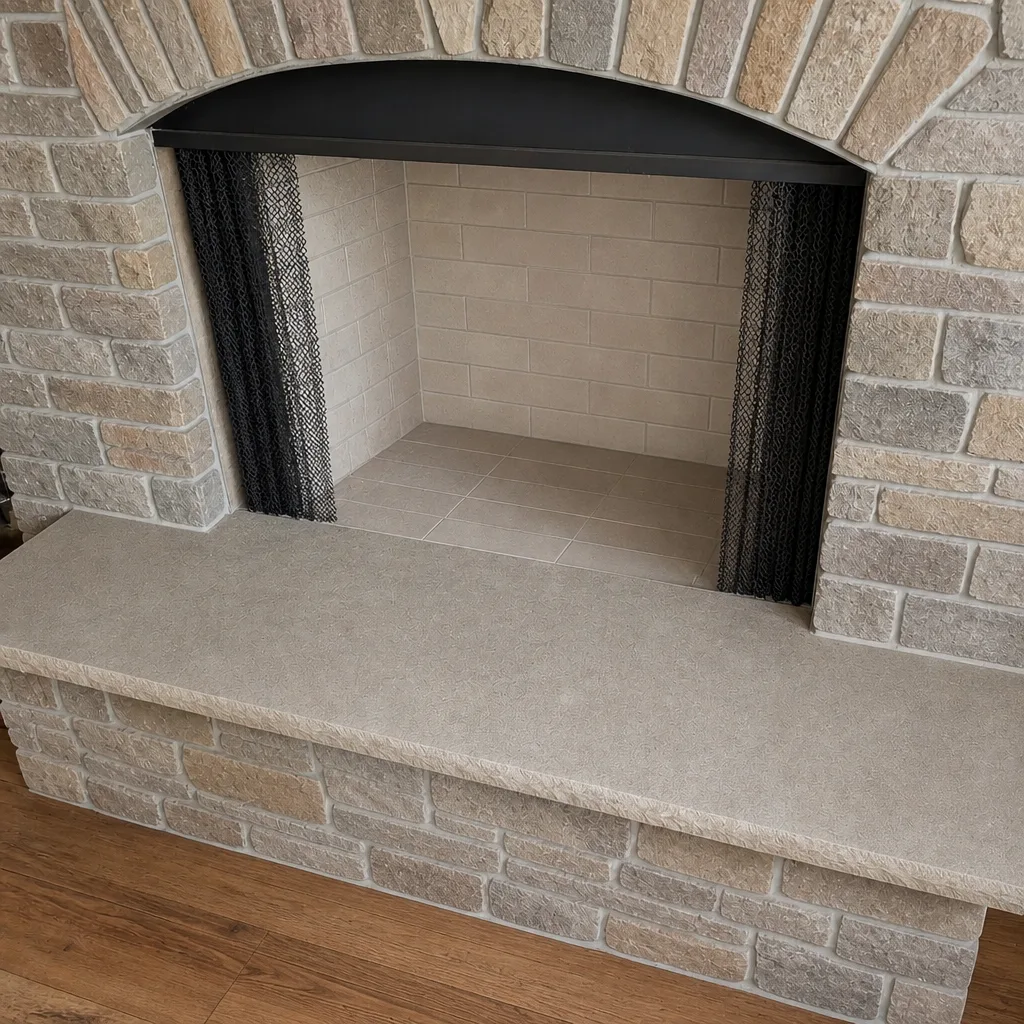
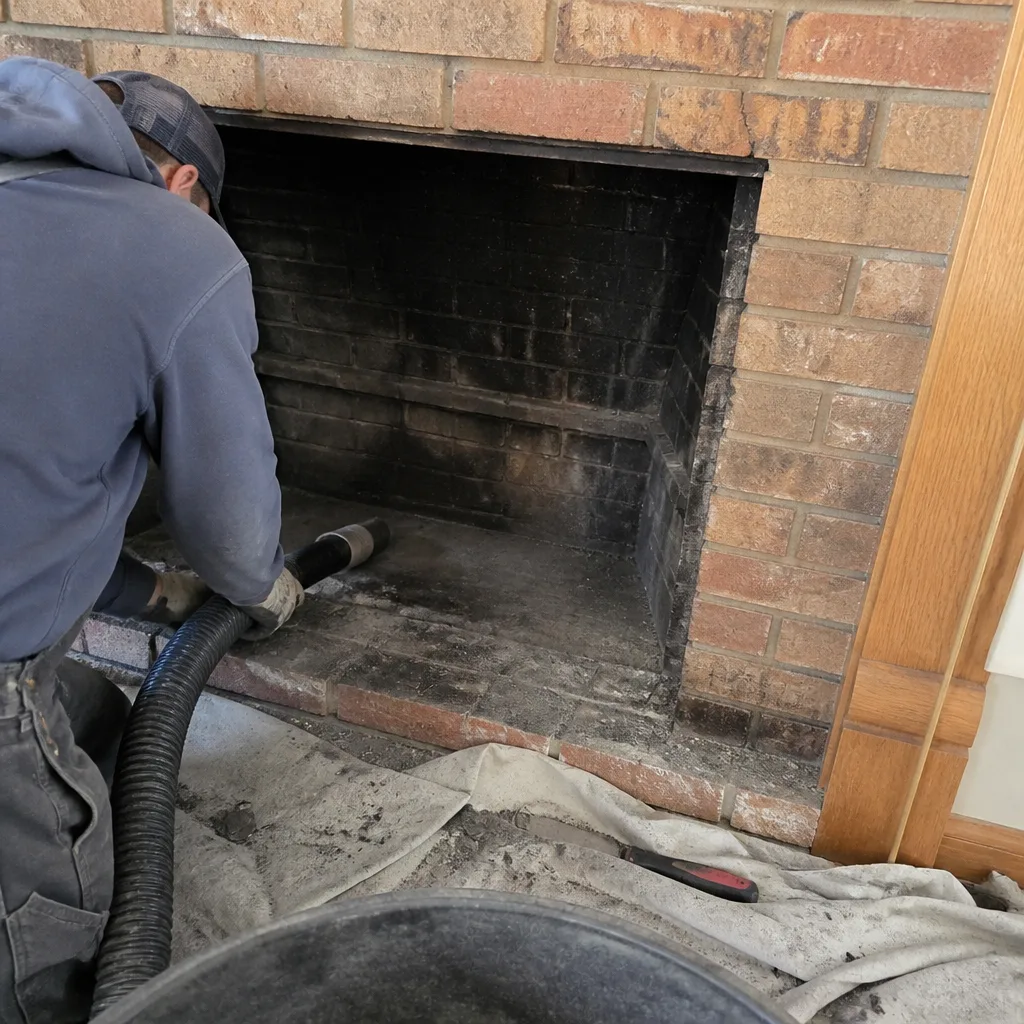
See the difference
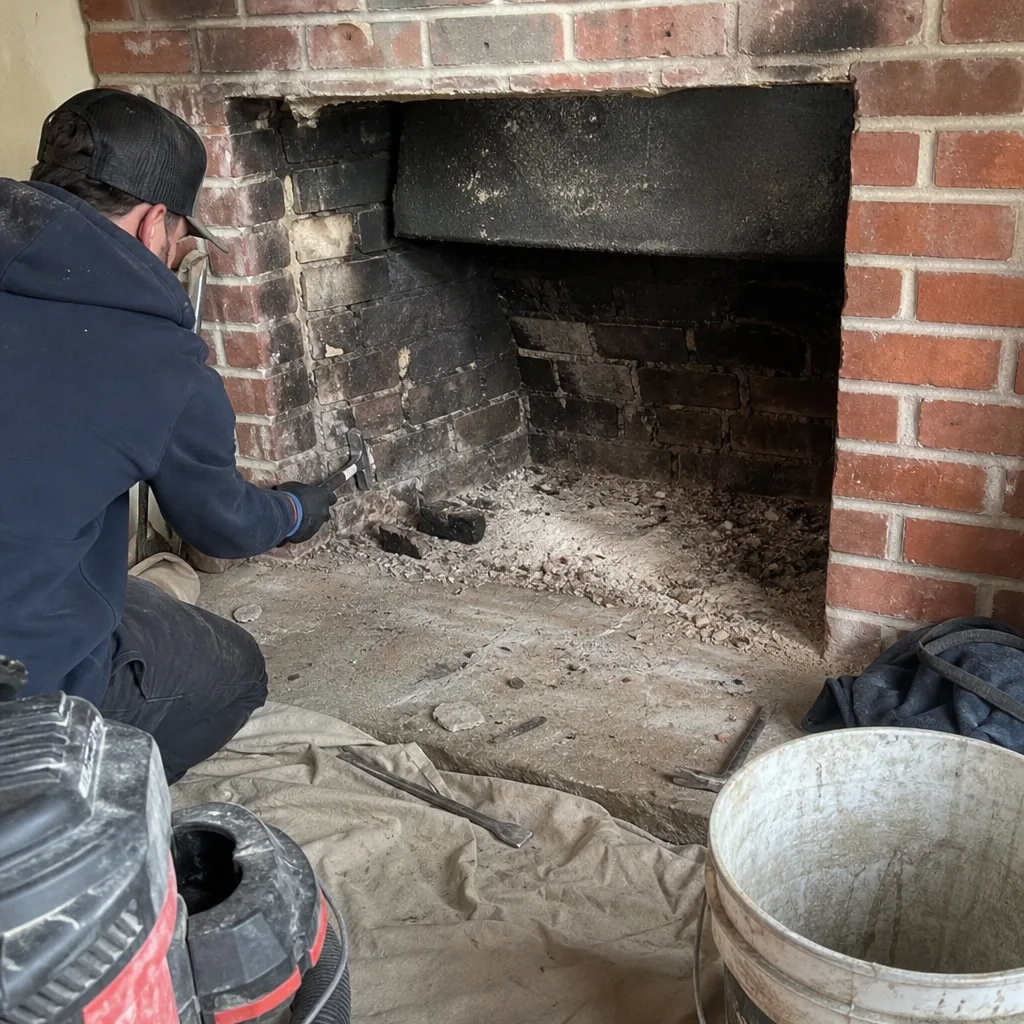 Before
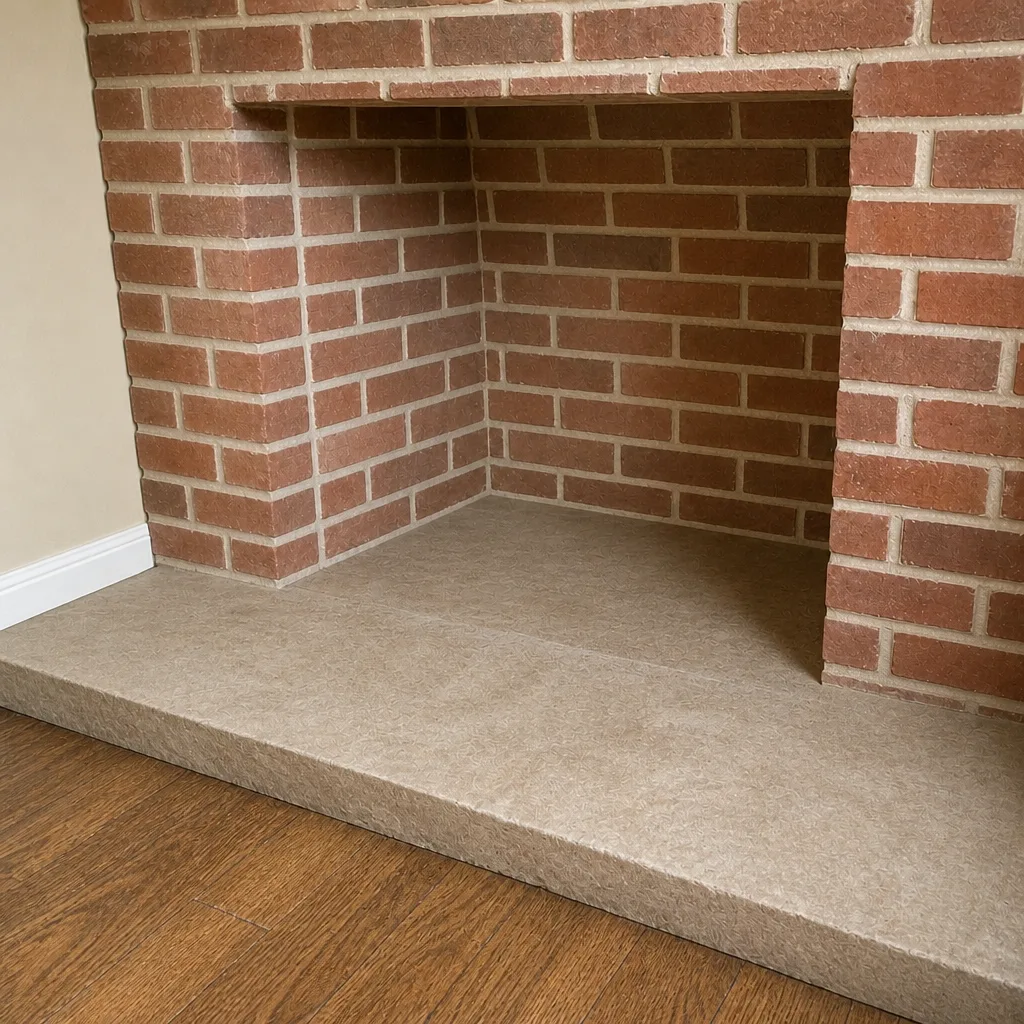 After
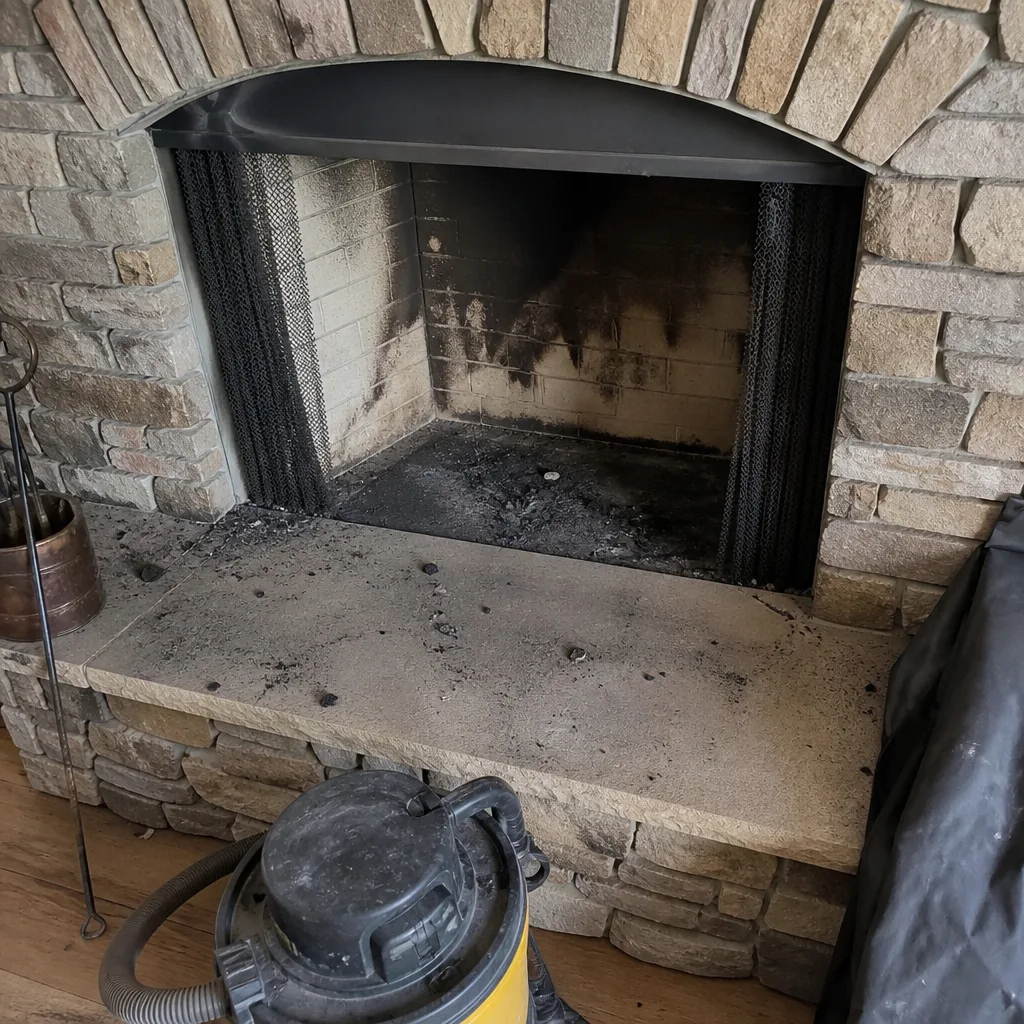 Before
 After
 Before
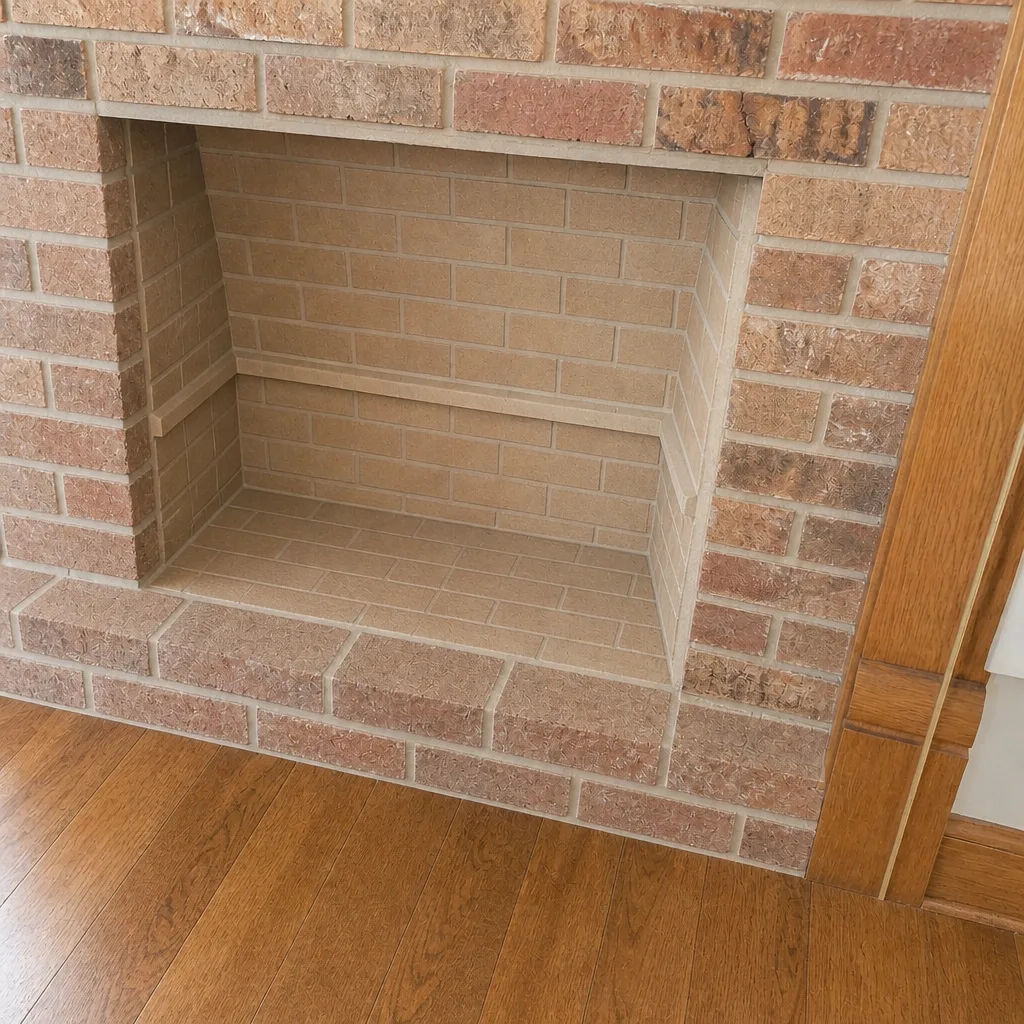 After
Preparing for and Getting the Most From an Annual Sweep
A sweep isn’t a passive service you receive; it’s an appointment you prepare for. The homeowners who get the most out of a visit are the ones who arrive with observations, questions, and a clear layout of the fireplace. Here’s how to set up a productive appointment in Sandy.
- Clear the hearth area and access path. A sweep brings a vacuum and drop cloths, and having the firebox and floor clear saves time and protects the room.
- Note the log entries that changed. Any observation from your annual or seasonal checks that differed from the prior year is worth mentioning up front.
- Have the fireplace layout written down. The type of fireplace, any insert, and any prior repair work help the technician plan the visit accurately.
- Ask for the report, not just the invoice. A professional sweep should provide a written report of what was found, with photos where possible. That report is the record that makes your next visit smarter.
- Ask whether the inspection is separate or bundled. We offer standalone inspections because an inspection should be able to deliver an honest answer regardless of what work is recommended afterward.
The standard annual service for a regularly used chimney is a sweep plus an inspection, and for a chimney that hasn’t been serviced in more than a year, an inspection first is the right order. If you’re not sure what your chimney needs, book the sweep through our chimney sweep service and let the findings drive the follow-up. From the first inspection to the final repair, one team handles it.
Common Mistakes to Avoid
- Assuming a “cleaning” includes an inspection. A sweep without a liner inspection can miss a cracked clay tile or a separated metal seam, and the deposit pattern can actually hide the damage. Ask whether an inspection is included, and if it isn’t, book one separately.
- Treating efflorescence as cosmetic. White staining on Sandy brick means water is moving through the masonry. Left alone through a freeze-thaw winter, it can widen the path the water takes, and the repair gets more involved each year.
- Burning unseasoned or wet wood while assuming creosote is a “dirty chimney” problem. Creosote accumulation depends heavily on wood moisture and burning habits. The chimney that needs the most frequent sweeping isn’t always the one that looks the worst.
- Ignoring a stiff damper. A damper that opens with resistance or won’t stay open is a sign worth a professional look before the next fire, not a quirk to work around.
- Skipping the post-heavy-snow crown review. Weight on the crown and freeze-thaw stress after a snowfall can open cracks slowly. A ground-level look after a heavy snow event is quick and catches problems early.
- Waiting for a chimney “problem” before booking service. The purpose of the checklist is preventive. A chimney that’s been fine for several seasons can still accumulate deposits and deterioration quietly, and a scheduled sweep is the only reliable way to know.
- Relying on memory instead of a log. Without dated photos and notes, you can’t tell whether a stain is new or two years old. The log turns a vague concern into a clear signal.
When to Call a Professional
Call a professional when you see any of the following from a safe vantage point: a crown that’s cracked or separated, flashing that’s lifted or missing, a cap that’s loose or gone, efflorescence that has spread since last year, rust or water staining inside the firebox, a damper that sticks or won’t open fully, a smoky odor in the room when no fire has burned for days, or any staining on ceilings or walls near the chimney. These are signs that a professional inspection is warranted, and none of them are conditions we recommend you investigate on a roof. We connect Sandy homeowners with independent local professionals who are licensed and insured as their state requires, and Sandy Chimney Sweep Pros offers free estimates in Sandy – call (844) 625-7409.
Frequently Asked Questions
Once a year for most chimneys in regular use. A Sandy chimney that sees a full winter of burning benefits from an annual sweep plus an inspection, and any chimney that hasn’t been serviced in more than a year should start with an inspection. If your burning habits changed during an inversion season, a post-season inspection is worth adding. Call (844) 625-7409 for an exact quote – estimates are free.
We don’t recommend it. The risk isn’t just the physical work; it’s that brushing without a liner inspection can sweep away deposits that were revealing liner damage, and it can disturb a compromised liner. What looks like cleaning can mask a problem. A certified sweep does inspection first, then cleaning, then a second inspection.
Efflorescence is the chalky white staining that appears when water moves through masonry and leaves mineral deposits on the surface as it evaporates. On a Sandy chimney, it usually points to water entering through a cracked crown, failed flashing, or an absorbent masonry joint. It’s not dangerous by itself, but it should trigger an inspection.
Because the Sandy climate has three distinct stress windows. Freeze-thaw winters work on masonry cracks, inversion season changes how much creosote builds up, and heavy snowfalls stress crowns and flashing. A pre-first-fire check, a post-inversion inspection, and a post-snowfall crown review each catch a different season’s effects. The annual sweep sits at the center of that schedule.
Photograph the crown, flashing, cap, and chimney exterior from the same vantage point, plus the firebox interior and damper. Record the date and one sentence per item. Keep every inspection report. A technician who can see a three-year trend of photos and notes makes better recommendations than one starting fresh.
When the problem is confined to the crown or cap and the flue itself is sound. A cracked crown or missing cap is often a targeted repair, and we offer inspection first so the recommendation is based on evidence rather than a guess. If you need a pro to take a look, call (844) 625-7409. We answer 24/7.
The Bottom Line
A chimney maintenance checklist for Sandy works when it separates what you can safely observe from what requires a professional. You can watch the crown, the flashing, the efflorescence, the cap, and the interior firebox signs from the ground with binoculars, a flashlight, and a phone camera. What you can’t safely do is diagnose the liner, sweep the flue without inspection, or work on the roof. Log your observations each year, book the annual sweep, add a post-inversion inspection, and call the moment something changes. That’s informed ownership, and it’s the difference between a chimney that gets maintained and one that gets discovered.
From the first inspection to the final repair, one team. We work with professional-grade materials – brands you can look up and verify – including HeatShield, DuraFlex, Gelco, and Olympia Chimney. Whether your checklist turns up a question about a sweep, a cap, or a repair, Sandy Chimney Sweep Pros handles the full lifecycle of the chimney system. When you’re ready, our fireplace repair service covers the interior, and a standalone inspection is always available.
Call (844) 625-7409. We answer 24/7. Fast dispatch from 7am to 7pm, Sunday through Friday. Our technicians have up to 8 years of experience.
Written by the team at Sandy Chimney Sweep Pros.