
Last updated November 24, 2026
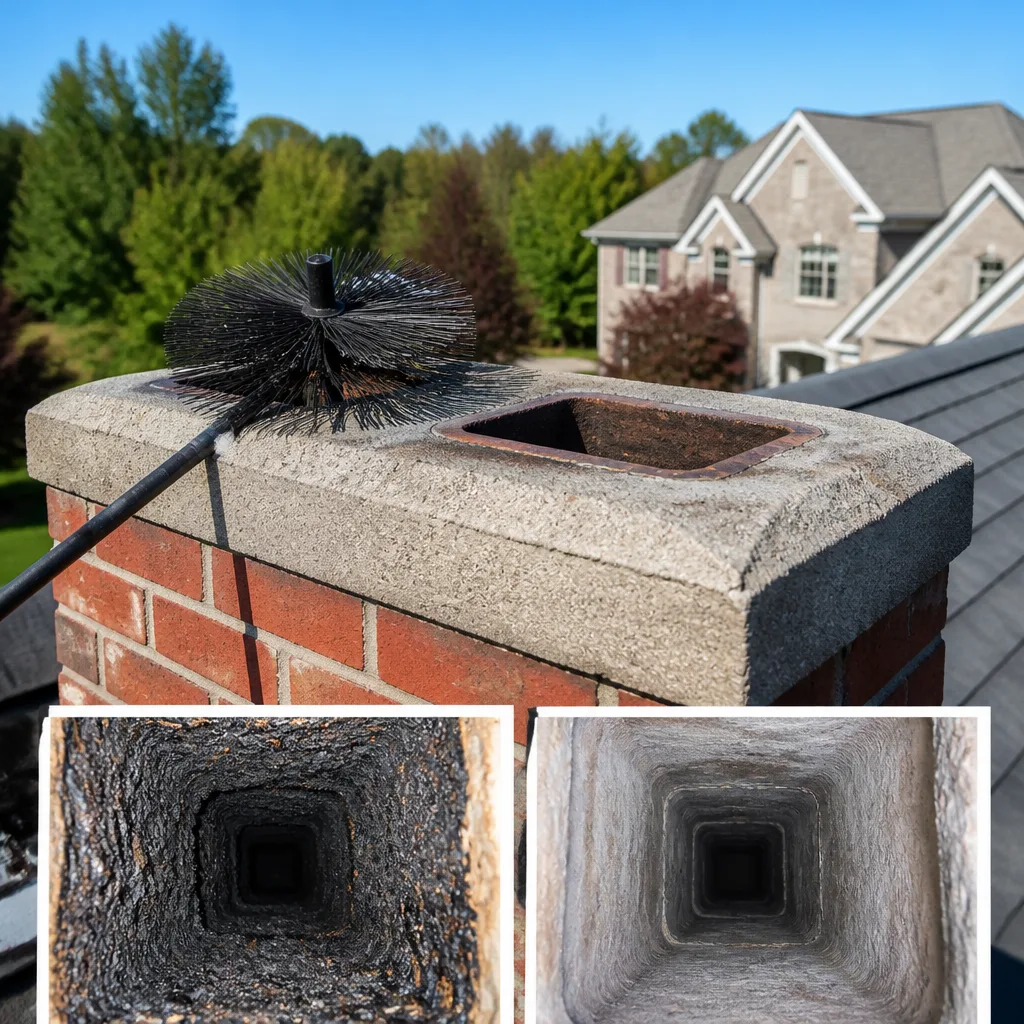 Sweep & inspection
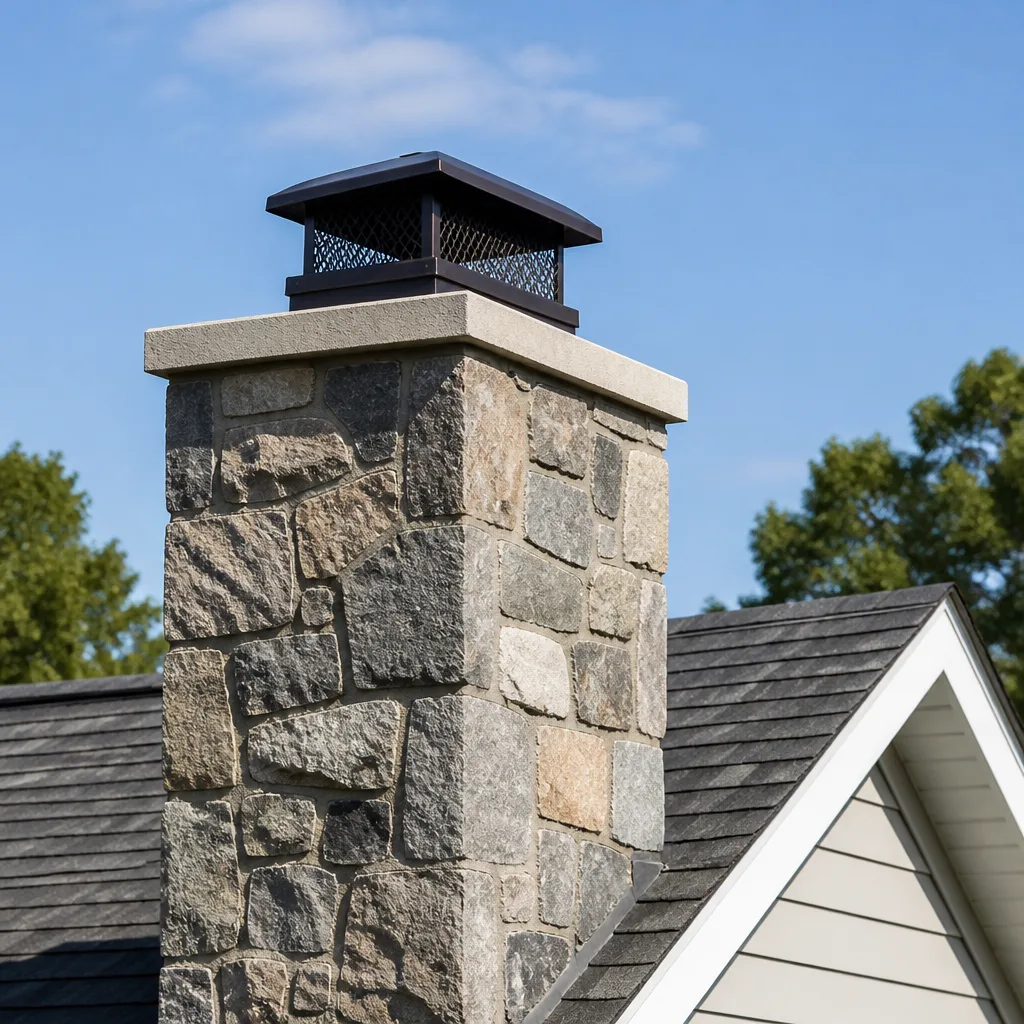 Caps & crowns
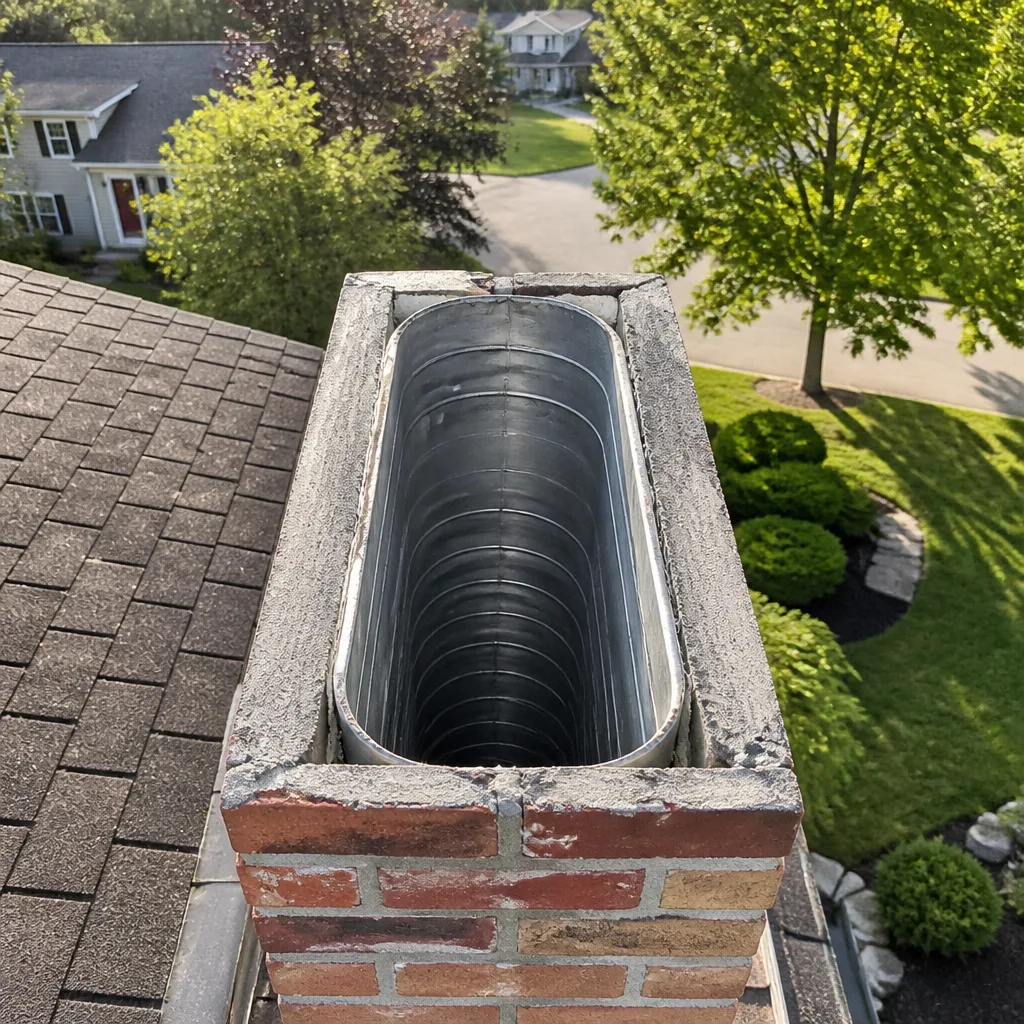 Flue relining
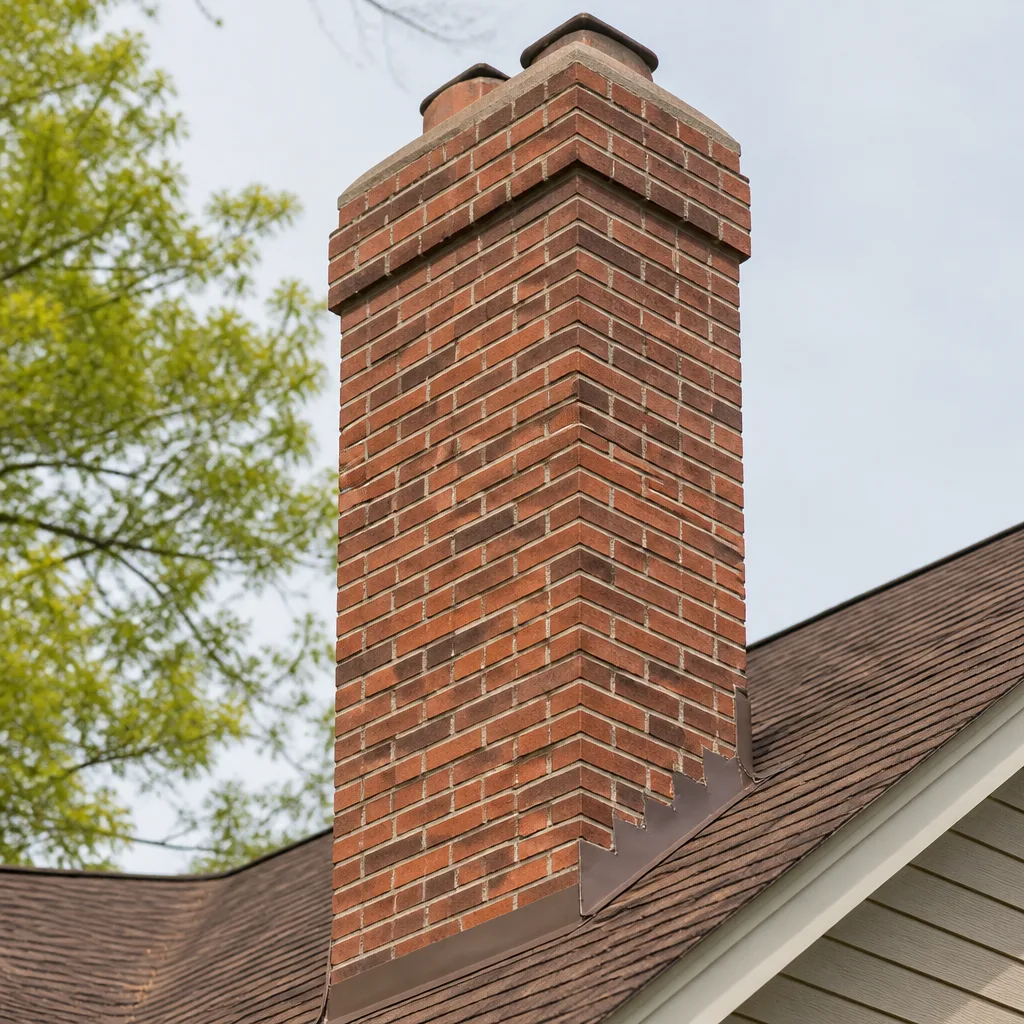 Masonry repair
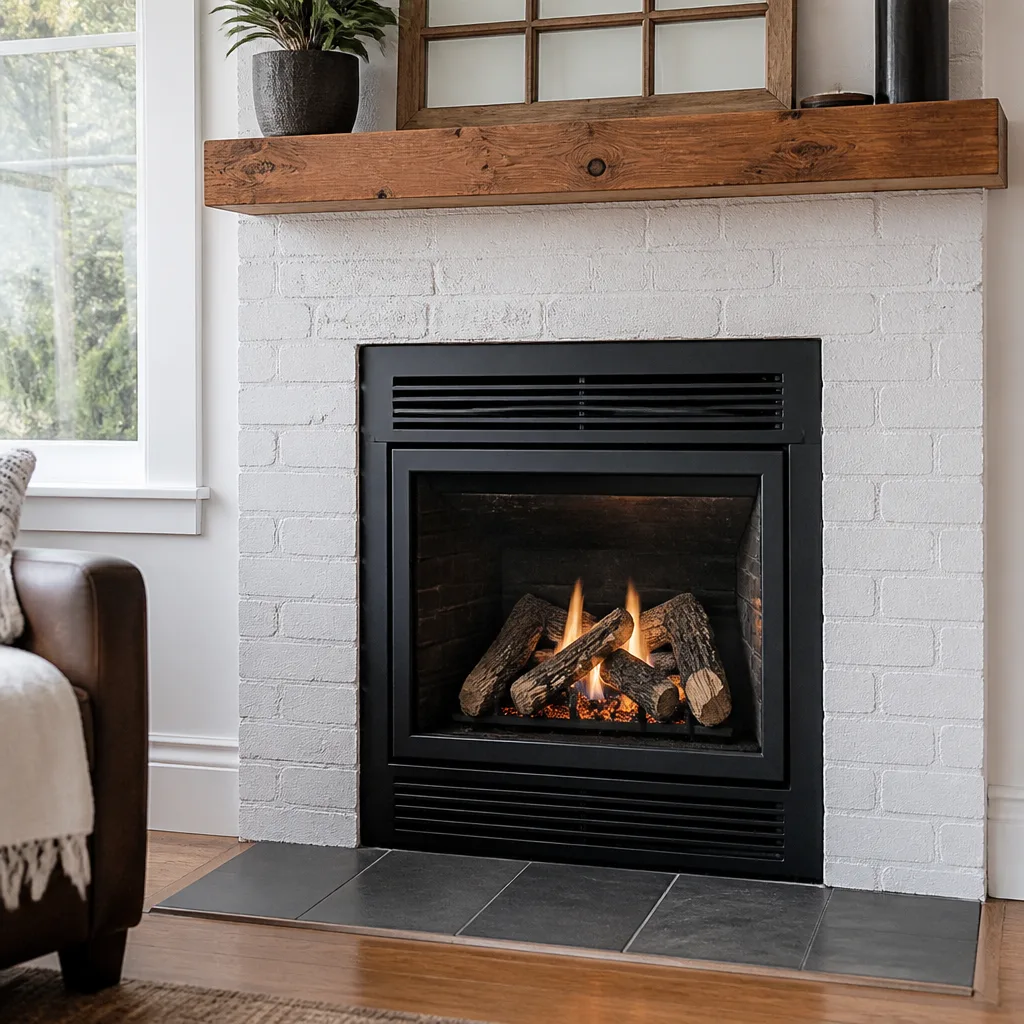 Gas fireplace service
Level 1 sweep and inspection to the NFPA 211 annual standard - flue, crown, cap, and flashing checked and photographed
Chimney sweep logs do not sweep chimneys. They loosen some creosote - which then falls where a brush and vacuum still have to collect it.
Chimney Cleaning Warning Signs: A Sandy Homeowner’s Reference Guide
The white staining appearing on your Sandy home’s chimney exterior isn’t a cosmetic issue. It’s efflorescence, and it means water has been moving through your masonry long enough to dissolve and redeposit mineral salts at the surface. By the time you can see it from the driveway, the cleaning is the least of your worries. Most of the chimney problems we find in Sandy homes aren’t fire-safety problems first. They’re water and structure problems that have been quietly progressing for a few heating seasons before anyone notices. This guide covers the warning signs you can spot from the ground, the ones you can smell, the ones you feel as a draft, and what each one actually tells you about the machinery inside your chimney. You’ll leave with a triage system, not a panic list.
Quick Answer
The most common chimney warning signs in Sandy homes are white staining and spalling on the exterior brick, a cracked or separated crown, rust streaks at the flashing, crumbling firebrick or mortar joints in the firebox, musty or asphalt smells that linger after the fire is out, and a fireplace that smokes into the room more than it used to. Any one of these is a reason to schedule a professional inspection before the next burn season. The signs that mean don’t light another fire are smoke backing into the room, a smell of sulfur or burning plastic, visible cracks through the flue tiles, or a chimney that has visibly moved.
Styles & brands we work with
- Sweep & inspection
- Caps & crowns
- Flue relining
- Masonry repair
- Gas fireplace service
Table of Contents
- Why Efflorescence and White Staining Are a Water Problem, Not a Cleaning Problem
- Exterior Warning Signs You Can Read From the Ground
- Smell-Based Warning Signs and What Each Odor Tells You
- Interior Firebox Signals: What Spalling Firebrick and Mortar Joints Mean
- Draft and Performance Warnings You Can’t See
- How to Triage Warning Signs by Urgency
- What to Check Before and After Sandy’s Burn Season
- Common Mistakes to Avoid
Why Efflorescence and White Staining Are a Water Problem, Not a Cleaning Problem
Efflorescence is the chalky white or grey-white powder that appears on masonry surfaces. It’s salt. Water gets into the brick or mortar, dissolves minerals out of the masonry, travels to the surface by capillary action, evaporates, and leaves the salts behind. Seeing it on your chimney means water is entering somewhere, moving through the assembly, and leaving through the face of the brick. That entry point is usually one of four places: a failed crown, degraded flashing at the roof line, open mortar joints, or a missing or undersized cap.
Why this matters beyond appearance: every freeze-thaw cycle in a Sandy winter puts pressure on saturated brick. Water expands when it freezes, and saturated masonry can’t absorb that expansion. Over a few seasons, the face of the brick begins to flake off. That’s spalling, and it’s the next stage of the problem efflorescence is pointing at. Once brick spalls, it can’t be restored by pointing or painting. The brick has to be replaced.
What to do about it comes in a specific order, and cleaning is not step one:
- Find the water entry point with a proper inspection. Crown, flashing, mortar joints, and cap are all checked.
- Fix the source before any cosmetic work. Repointing a chimney that’s still taking on water just moves the problem.
- Address the cap and crown if either is compromised. A well-fitted cap and a properly sloped crown keep the majority of water out of the top of the chimney.
- Then evaluate the brick surface and decide whether cleaning or replacement is appropriate.
A chimney sweep who only cleans your flue won’t catch this. That’s why we offer inspection as a standalone service: it’s a different piece of work than cleaning, and it’s the one that finds the water path. When we install or replace chimney cap & crown, the goal is closing off the top of the system so that water has somewhere to go other than into the masonry.
Exterior Warning Signs You Can Read From the Ground
You don’t need to climb a ladder to catch most chimney problems early. A walk around the house with your eyes on the chimney will surface the majority of exterior signals. Here’s what to look for and what each one means:
- White or grey staining on the brick. Efflorescence. Water is moving through the masonry. See the section above.
- Flaking or pitted brick faces. Spalling. Water has been freezing inside the brick and pushing the face off. The brick is degrading structurally.
- Rust streaks at the flashing. The metal flashing where the chimney meets the roof has begun to fail or has been improperly installed. Water is getting behind the metal and running down the masonry face.
- A visible gap between the crown and the brick. Crown separation. The crown is cracking or has pulled away from the chimney body. Water goes straight into the flue.
- Cracks running across the crown surface. The crown’s job is to shed water off the top. Cracked crowns don’t.
- Tilt or lean in the chimney structure. This is the one that means stop. A chimney that has visibly moved is a structural problem, not a maintenance problem. Don’t light it.
Some of these are cosmetic and some are not, and the difference isn’t always obvious from the ground. That’s why we like a real inspection with camera documentation: the photo report tells you which of these signals is at the “schedule soon” stage and which is at the “handle it now” stage. Rust at the flashing, for example, might mean the flashing needs to be re-seated, or it might mean the framing behind the chimney has been taking water for years. You can’t tell from the driveway.
Smell-Based Warning Signs and What Each Odor Tells You
Smoke smell when you’re burning a fire is normal. Smoke smell hours after the fire is out, or a smell you can’t place and can’t get rid of, is not. The character of the smell narrows down what’s happening inside the chimney, which makes it one of the most useful diagnostic signals a homeowner can report to a specialist.
- Musty, damp, or earthy smell. This usually points to water in the flue or firebox. Moisture mixes with creosote residue and the result is that damp-basement smell. It often shows up after a wet stretch or when the fireplace hasn’t been used in a while.
- Asphalt, tar, or roofing smell. That’s a large accumulation of creosote that has reached the soft or glazed stage. Glazed creosote is the high-risk grade, and it doesn’t come off with a standard brushing. It’s also the grade most associated with chimney fire risk. Schedule a sweep and inspection before lighting again.
- Sulfurous or rotten-egg smell. Rare, but it means stop and get it inspected. It can indicate a combustion problem or something wrong inside the flue. Never treat this as a smell to live with.
- Burning plastic or chemical smell with no fire. Also a stop signal. Something in the system is off, and the cost of checking is far lower than the cost of being wrong.
- Lingering smoke smell for days after a fire. This one often means a draft reversal, a partially blocked flue, or negative pressure in the home pulling smoke back down. The fix isn’t another can of air freshener.
In our experience, homeowners tend to under-report smells because they seem minor compared to visible damage. But smells are often the earliest evidence that something has changed inside the flue. If you’ve noticed an odor that didn’t used to be there, describe it when you call. It tells us a lot about what to look for first.
Interior Firebox Signals: What Spalling Firebrick and Mortar Joints Mean
The firebox is where you can see the chimney’s condition up close, and the signals there are specific. Firebrick is a different material from the brick on the chimney exterior. It’s rated to take direct flame and high heat. When it begins to fail, it fails in a particular way, and the failure has structural meaning.
- Flaking or crumbling firebrick faces. Spalling firebrick. Heat cycling and water have broken down the brick’s surface. Small flaking can sometimes be addressed with refractory patching. Deep spalling means the brick needs replacing.
- Missing or recessed mortar in the firebox joints. Refractory mortar has a job: hold the firebrick in place and seal the joints against heat and gases. When joints recede, heat reaches the structure behind the firebox. This is a fire-safety signal, not just a cosmetic one.
- Dark staining on the face above the firebox opening. Smoke staining above the lintel means smoke isn’t going up the flue the way it should. It could be a draft problem, a blockage, or a smoke chamber issue. Either way, the firebox has a story to tell.
- Cracked tiles or panels in a masonry firebox. Cracks in the firebox lining need to be evaluated by someone trained to read them. Some are cosmetic, some are not. You can’t tell which from the living room.
- Rust on the firebox grate or damper assembly. Water is present. That connects back to the exterior signals. Water moves through more of the chimney system than homeowners expect.
If your firebox has any of these signals, describe them when you call and ask for inspection. We bring camera equipment and document what we find so you can see it. When the firebox needs structural work, materials matter: fireplace repair jobs done with the right refractory materials hold up, and jobs done with the wrong ones come back in a couple of seasons. We carry Gelco and HeatShield products for exactly this kind of work, and you can look both brands up and verify the specifications yourself.
Draft and Performance Warnings You Can’t See
A fireplace that smokes into the room more than it used to is diagnosing itself. The draft is the mechanism that carries smoke up and out of the house, and a change in draft behavior is a change in the system. When a fire that used to draw cleanly starts spilling smoke, the chimney is telling you that something has changed, and usually one of these has:
- A partial obstruction. A nest, a fallen piece of liner tile, or a heavy creosote load in the upper flue narrows the passage. The fire still burns but the smoke can’t get out fast enough.
- A negative-pressure change in the home. New weather-stripping, a kitchen vent fan, or a tighter envelope than the home used to have can pull smoke back down the flue. This is real, and it’s fixable, but the fix is different from a cleaning.
- A cracked flue liner. The flue needs the correct interior profile to draw properly. A cracked or displaced liner changes that profile. It also means smoke and gases can pass through the liner into surrounding material.
- Cooling in the flue. A colder exterior start means the flue has to warm before it pulls. This happens in Sandy in shoulder seasons, but a persistent change isn’t seasonal. If the fire worked in previous winters and doesn’t now, it’s not the weather.
Smoke backing into the room is one of the “don’t light another fire” signals. Get it inspected. The inspection will show you whether you’re looking at an obstruction (which a chimney sweep addresses) or a liner or structural issue (which a repair addresses). One team handling both is part of why we keep every service category under one roof. You don’t get handed to a second contractor when the sweep finds something.
Carbon monoxide is the reason this section gets its own emphasis. An obstructed or compromised flue can let combustion gases into the living space without a smoke signal. A CO alarm is a critical second layer of protection, but it doesn’t diagnose the flue. A camera inspection does.
How to Triage Warning Signs by Urgency
Not every warning sign means the same thing. Some are a “schedule a sweep and inspection soon” signal. Some are a “don’t light another fire until this is looked at” signal. Here’s how we sort them:
Don’t light another fire until inspected
- Smoke backing into the room persistently.
- Sulfurous, chemical, or burning-plastic smell with no obvious source.
- Visible separation or tilt in the chimney structure.
- Cracks in the flue visible through a camera inspection, or damage you can see clearly.
- Firebox mortar joints missing to the point that the structure behind the firebox is exposed.
Schedule an inspection soon
- Efflorescence or spalling on the exterior brick.
- Rust stains at the flashing.
- Cracks in the crown or visible separation from the chimney body.
- Musty or damp smells after a wet stretch.
- A fireplace that smokes occasionally but not consistently.
Add to the next scheduled service
- Mild smoke odor that clears within a day.
- Small surface flaking on firebrick that isn’t deep.
- Smoke staining above the lintel that isn’t spreading.
That last category isn’t “ignore it.” It means you can put it on the calendar with the next scheduled sweep rather than call today. The camera inspection tells you which category you’re actually in. If an inspection says the work can wait, we’ll say so. That’s a commitment we make because the homeowner’s real concern is being sold work they can’t verify, and the way to answer that is to show them the evidence.
What to Check Before and After Sandy’s Burn Season
Sandy sits at the eastern edge of the Salt Lake Valley, and that position sets up a specific weather pattern that matters for chimneys. Winter temperature swings between mild valley days and cold nights cycle masonry through repeated freeze-thaw, which is exactly the condition that turns a small brick crack into spalling. Wind coming over the mountain divide can push draft reversals into homes that otherwise draw cleanly. And the long dry stretches of summer are when water damage is invisible but active.
That’s why the right checkpoints are before and after burn season rather than only once a year on a fixed date:
- Before the first fire of the season: walk the exterior, look for new efflorescence or spalling, check for crown cracks or rust at the flashing, then schedule a sweep and inspection. If the system is clean and the liner is sound, you’re clear for the winter.
- During the season: notice changes in smell, draft, and how the fire behaves. Note whether the smoke goes up the way it did last year.
- After the last fire of the season: get a sweep to clear creosote while the fire is out, and schedule any cap and crown work before the first freeze.
- Before listing or buying a home: a standalone inspection. The pre-purchase window is when the report is worth the most, and it’s the document that keeps a sale from stalling.
One more Sandy-specific note: homes built near the mouth of Little Cottonwood Canyon and toward the Sandy foothills see a different stress profile than homes in flat parts of the city. Exposed chimneys in the foothills take wind and driving snow that a sheltered chimney on the valley floor doesn’t. Same signs, different pace. If the chimney is on the ridge side of the house, don’t wait for the smell to tell you.
Common Mistakes to Avoid
- Treating efflorescence as a cosmetic problem. It’s a water problem showing you where the water has been. Cleaning the chalk off doesn’t fix the entry point, and it takes weeks to come back because the source was never addressed.
- Hiring a sweep who doesn’t inspect. A sweep cleans. An inspection diagnoses. A company that offers only cleaning won’t find the crown cracks or the flashing failures because that’s not the work it does.
- Painting over spalled brick. Paint traps moisture inside the masonry. That makes the freeze-thaw damage worse, not better.
- Lighting the fire to “warm up” the flue when you smell something off. A smell is often evidence of a blocked or compromised flue. The fire makes the condition worse before it makes the smell go away.
- Waiting to fix a crown until after the first freeze. Crown repairs need proper cure conditions. Scheduling them in the dry season is cheaper and the work lasts longer.
- Skipping the inspection on a home purchase because the seller says the chimney is fine. The inspection is your document. It’s a standalone service because it’s worth doing on its own, and it’s worth asking for independently of whatever the seller’s sweep found.
- Assuming liner replacement is the only option for an older liner. HeatShield ceramic resurfacing can restore the inner surface of a damaged flue without pulling a whole new liner, and it’s a manufacturer-backed system. Get an honest evaluation of whether resurfacing will do the job before committing to a full reline.
When to Call a Professional
Call when you have any of the “don’t light another fire” signals, and schedule when you have any of the “schedule soon” signals. Also call if you can’t tell the difference, which is more common than homeowners think. That’s not a failure of competence. It’s the reason standalone inspections exist: they take the guesswork out and give you the camera footage to look at. Our technicians have up to 8 years of experience, and we work with materials from six brands including DuraFlex, HeatShield, Gelco, Olympia Chimney, Famco, and Copperfield, so the product specification is something you can verify before it goes into your chimney.
Sandy Chimney Sweep Pros offers free estimates in Sandy. Call (844) 625-7409. We answer 24/7. Fast dispatch from 7am to 7pm, Sunday through Friday. We’re closed Saturday.
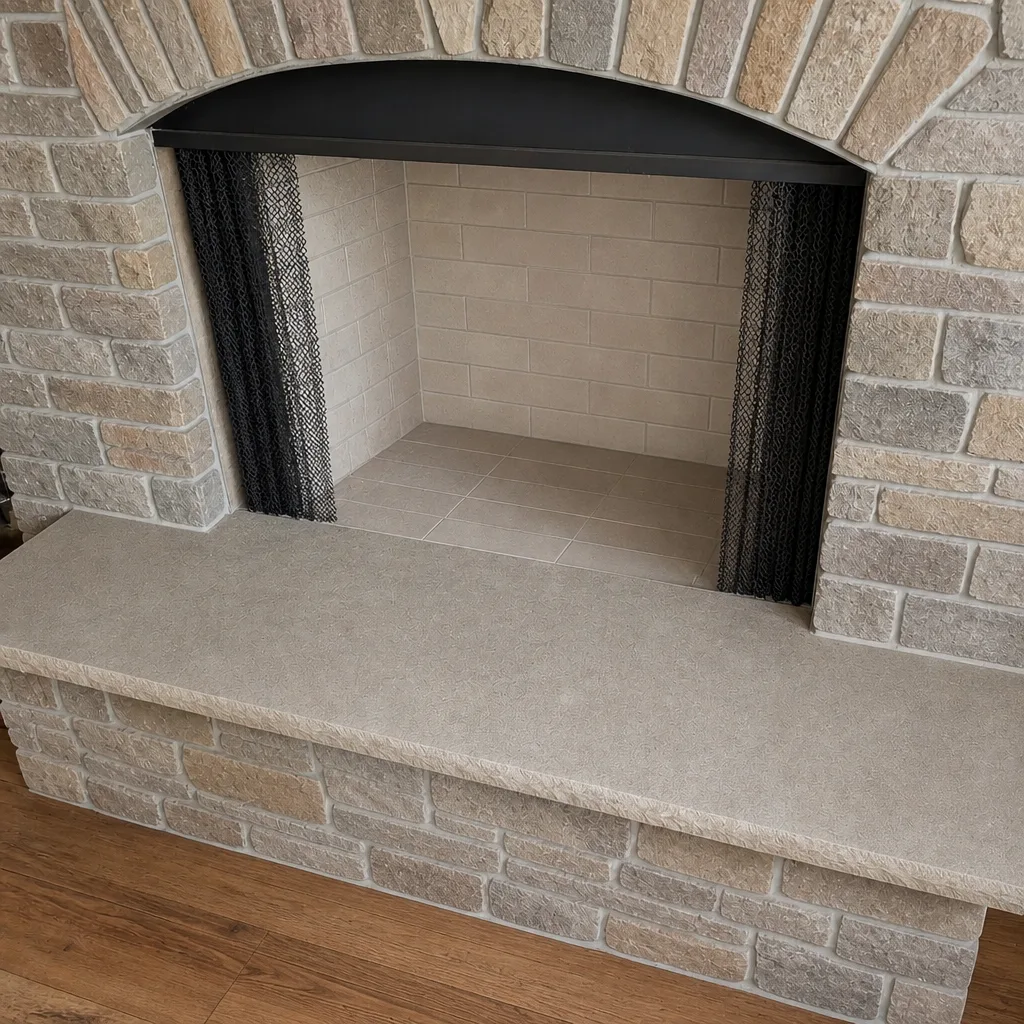
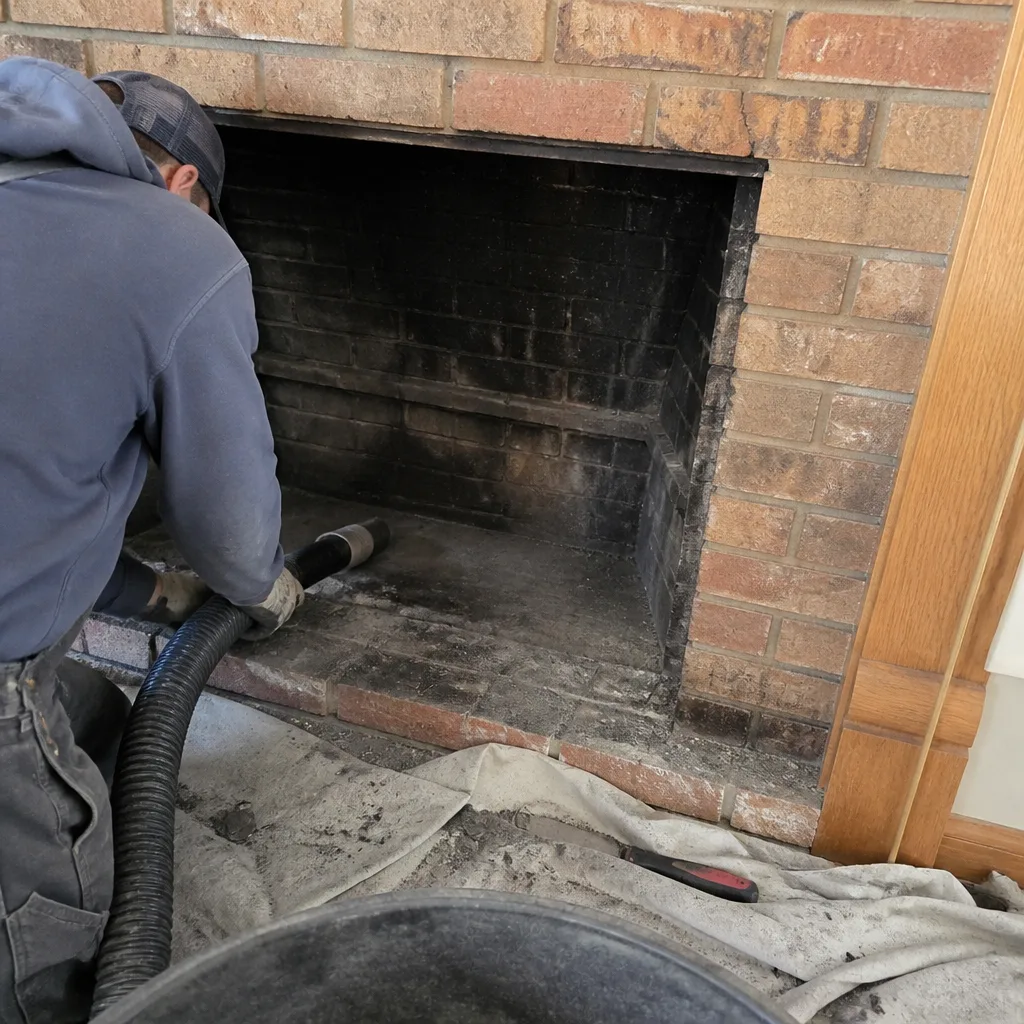
See the difference
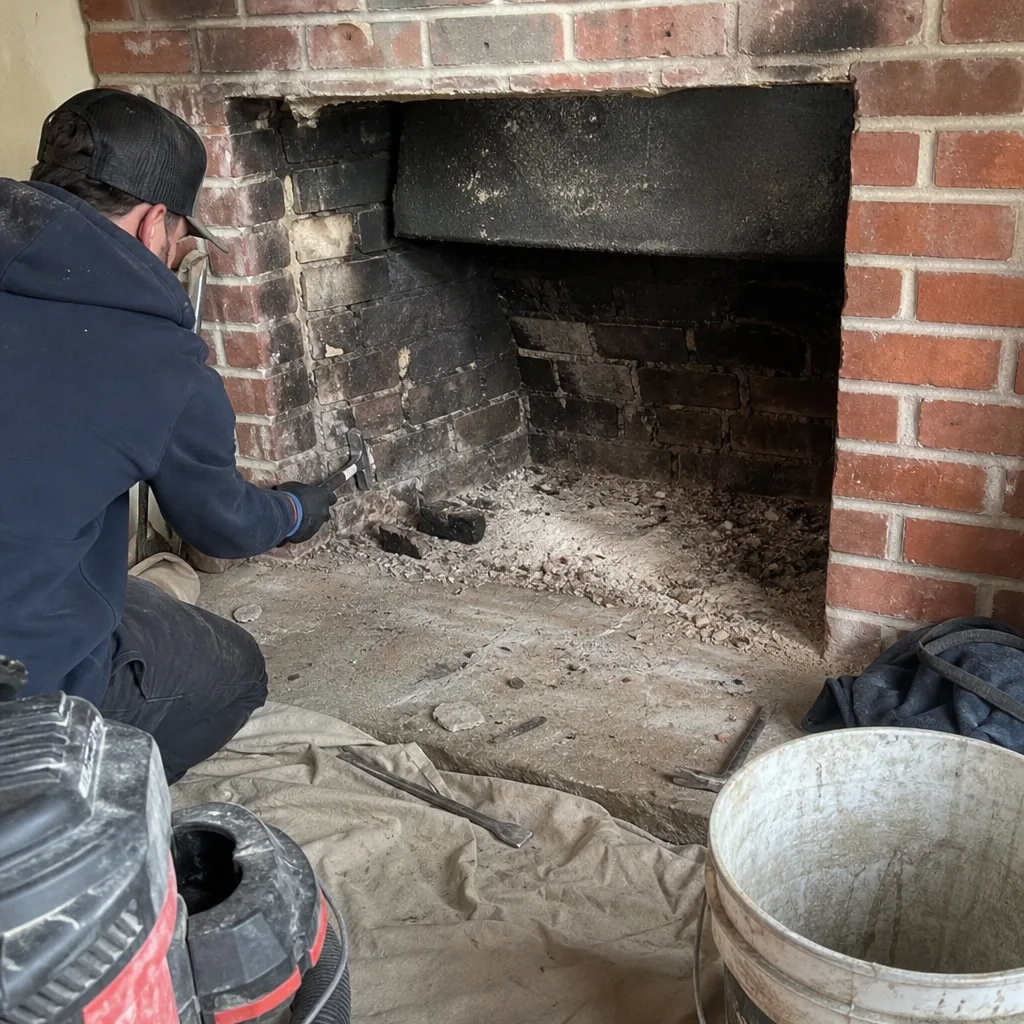 Before
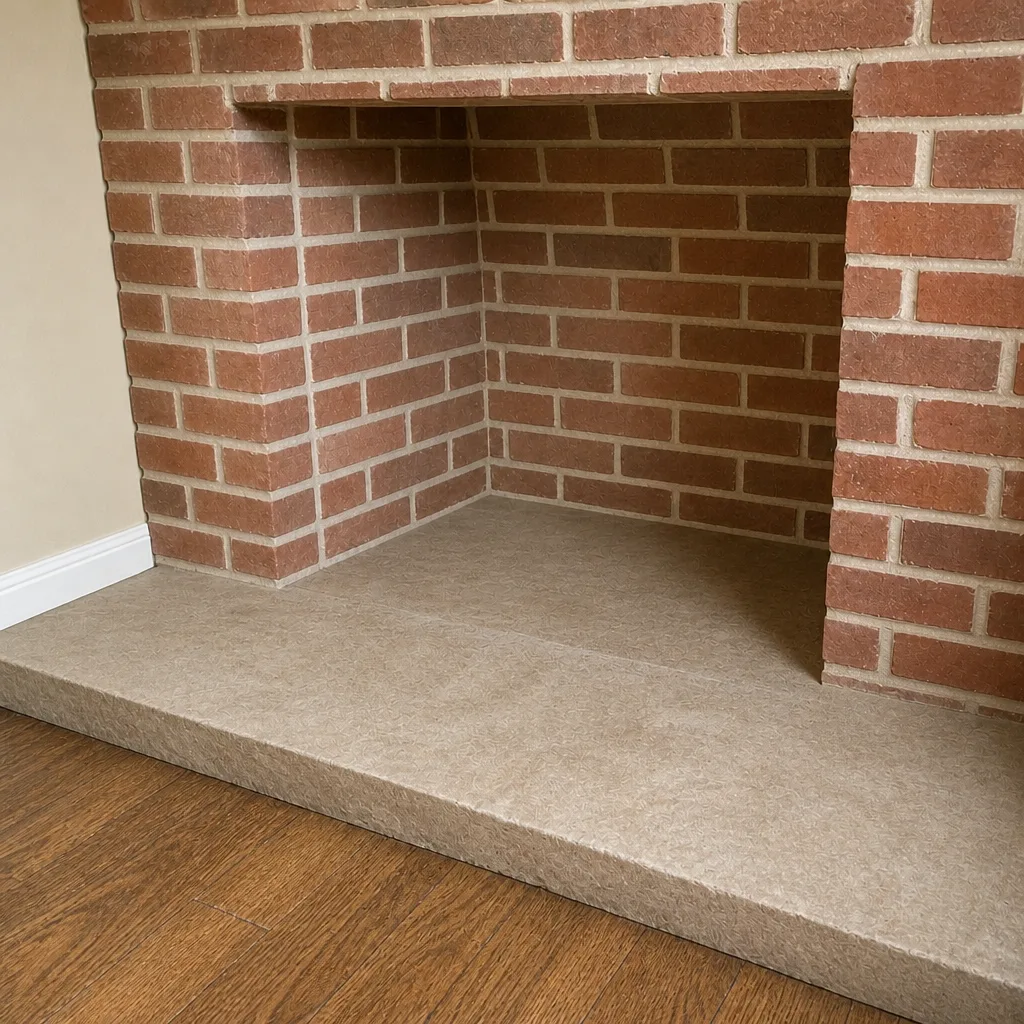 After
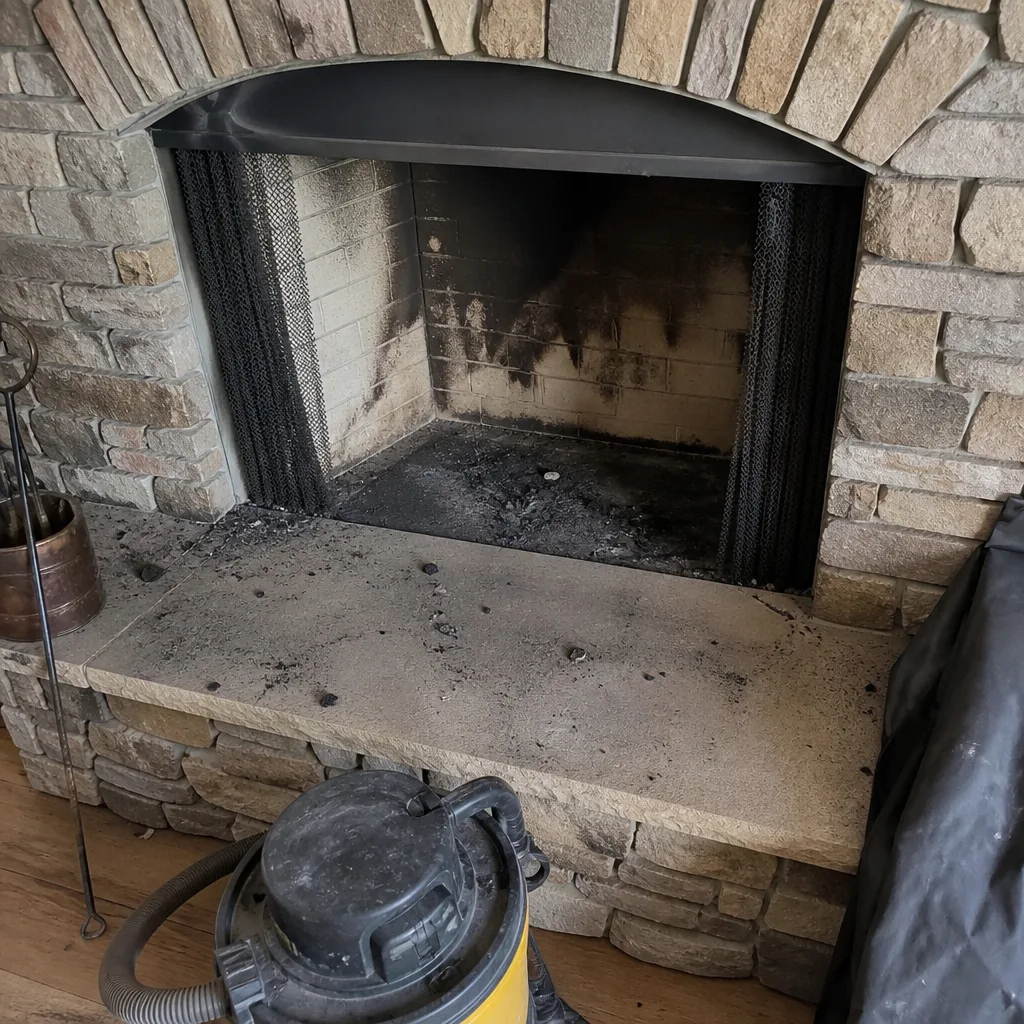 Before
 After
 Before
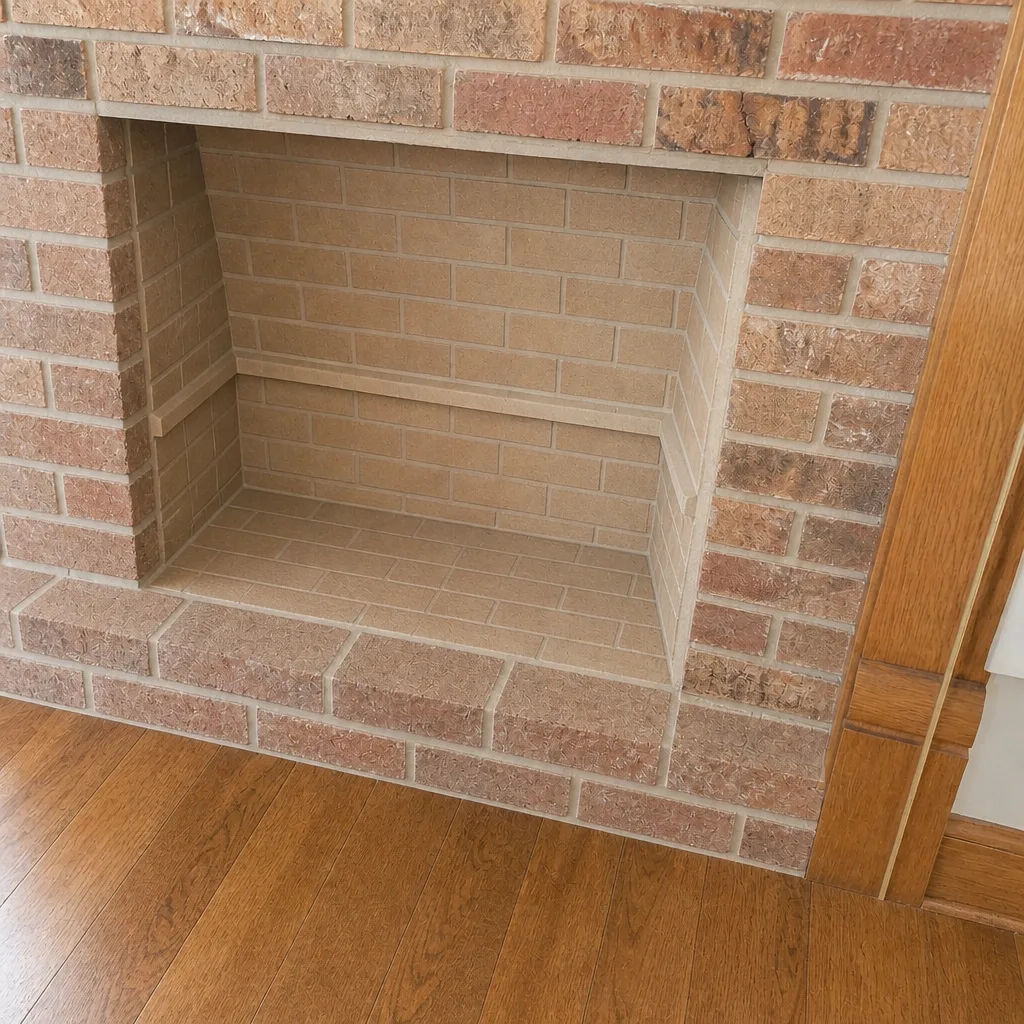 After
Frequently Asked Questions
Once a year is the baseline for a home that uses its fireplace regularly, and more often if you burn a lot of wood. Sandy’s freeze-thaw cycles also mean the exterior should be looked at once a year regardless of how much you burn, because water damage progresses whether or not you’re lighting fires. Schedule a sweep and an inspection together before the first burn of the season. Call (844) 625-7409 for an exact quote on a sweep and inspection.
It’s efflorescence: mineral salts brought to the surface by water moving through the masonry. It means water is getting into the chimney and needs to be found. The three most common sources are a failing crown, flashing problems at the roof line, and open mortar joints. Cleaning the staining without fixing the entry point will let it return. Call (844) 625-7409 for an inspection to locate the water path.
Often yes. A lingering smoke smell can indicate a draft reversal, a partial flue obstruction, or heavy creosote. A musty smell points to water in the flue. An asphalt or tar smell points to glazed creosote, which is a chimney fire risk. Describe the smell when you call. It helps us decide what to look for first. Call (844) 625-7409 to schedule an inspection.
Not always. Liner damage comes in grades, and some grades can be addressed with resurfacing rather than full replacement. HeatShield ceramic resurfacing can restore the inner surface of a damaged flue in some cases, and it’s an alternative worth evaluating before you commit to a full reline. Get a camera inspection first and see the damage yourself. Call (844) 625-7409 for an inspection with a photo report.
Creosote builds up inside the flue, and at a certain thickness it becomes a chimney fire fuel. That’s the well-known risk. The less-discussed risk is water damage: a chimney that isn’t inspected doesn’t reveal a failing crown or flashing until the masonry has been damaged for a couple of seasons. Skipping the sweep skips the safety checkpoint. Call (844) 625-7409 to book a sweep.
We’re closed Saturday. We’re open Sunday through Friday, 7am to 7pm. If something comes up over the weekend, call on Sunday and we’ll book a sweep or inspection into the next opening in the week.
The Bottom Line
Most chimney warning signs in Sandy homes aren’t fire-safety signals first. They’re water and structure signals that have been developing for a few heating seasons. Efflorescence, spalling brick, a cracked crown, rust at the flashing, and crumbling firebox mortar all point at the same problem: water has found a way in, and the chimney is absorbing the damage. The signs that mean stop are smoke backing into the room, unusual smells, visible flue damage, and a chimney that has moved. The signs that mean schedule are exterior staining, crown cracking, and lingering dampness. The camera inspection is what separates the two in your specific case, and you should see that footage yourself. That’s the standard we work to, and it’s why inspection is offered as its own service rather than a free add-on.
From the first inspection to the final repair, one team handles the work: sweep, inspection, cap and crown, fireplace repair, and chimney repair. You don’t get sent to a second contractor halfway through. If a repair can wait, we’ll say so. If it can’t, you’ll have the evidence in hand.
Ready to know what your chimney actually needs? Call (844) 625-7409 for a free estimate. We answer 24/7. Fast dispatch from 7am to 7pm, Sunday through Friday. We’re closed Saturday.
Related Reading
- Sandy Chimney Sweep Pros for the full service menu and to book a sweep or inspection.
- chimney sweep for details on what a sweep includes and what it doesn’t.
- fireplace repair for firebox and refractory work once an inspection identifies the problem.
- chimney cap & crown for closing off the top of the system and stopping the water path.
Written by the team at Sandy Chimney Sweep Pros.