
Last updated November 24, 2026
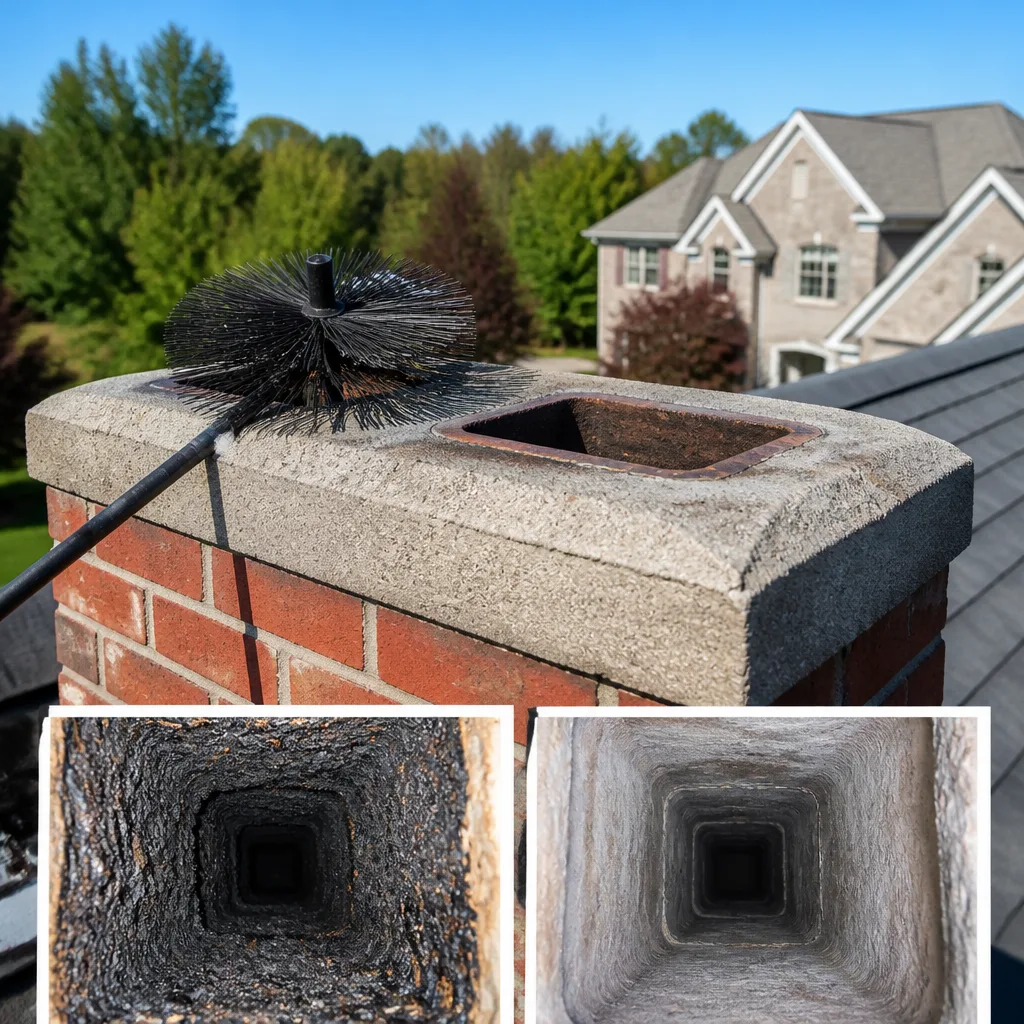 Sweep & inspection
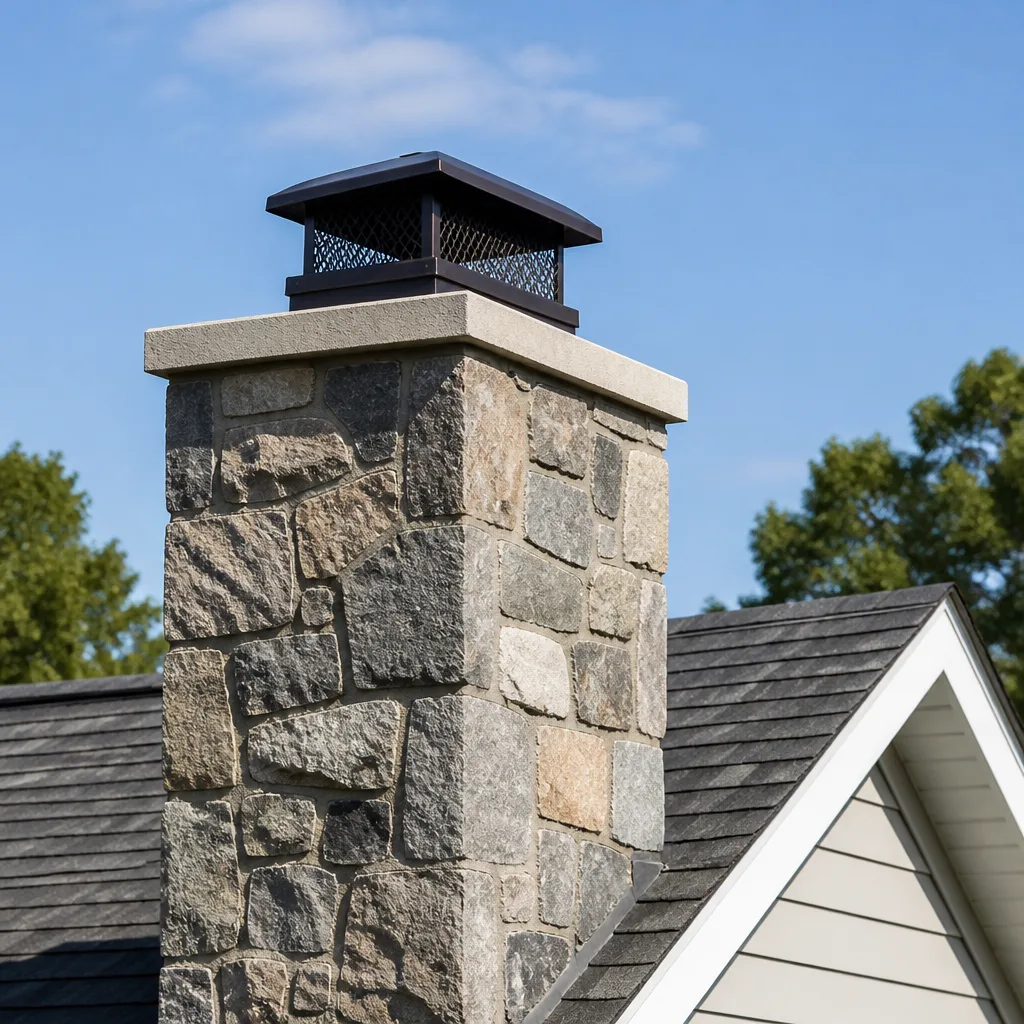 Caps & crowns
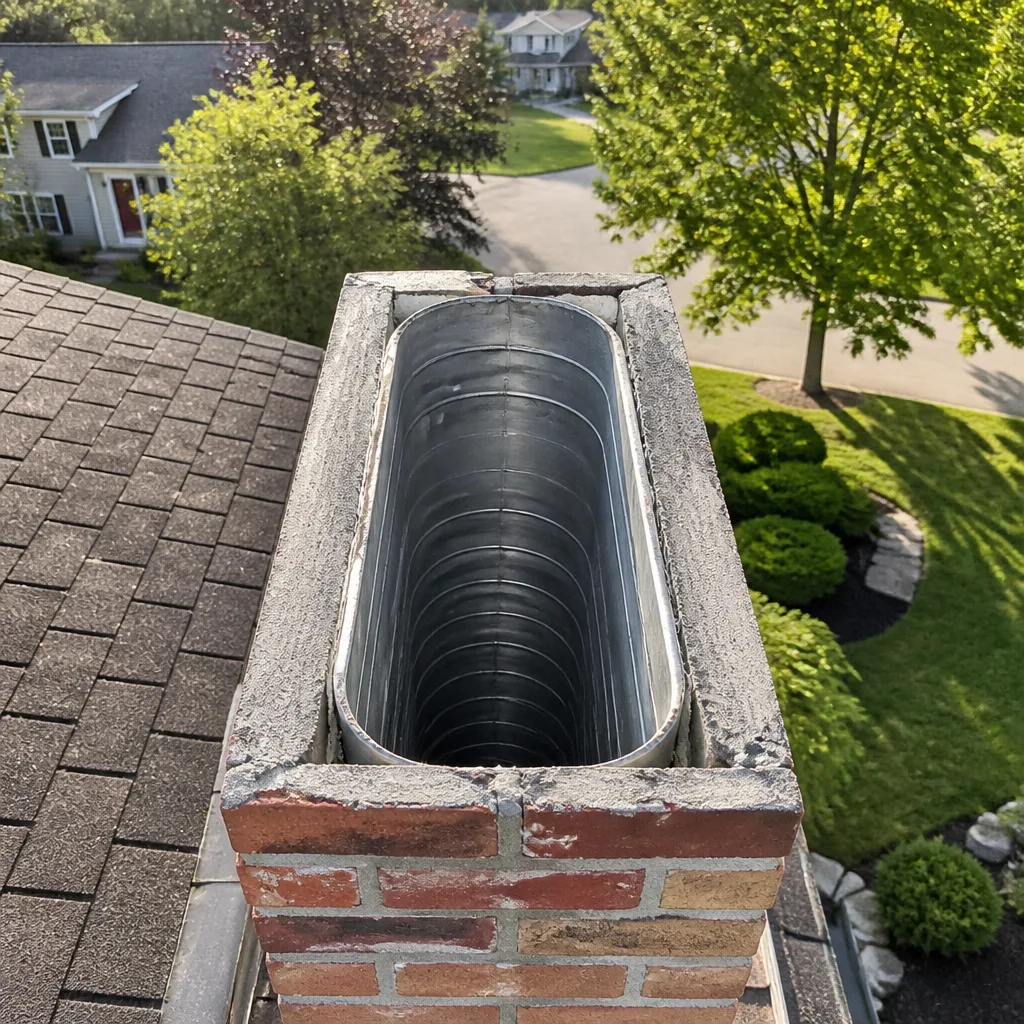 Flue relining
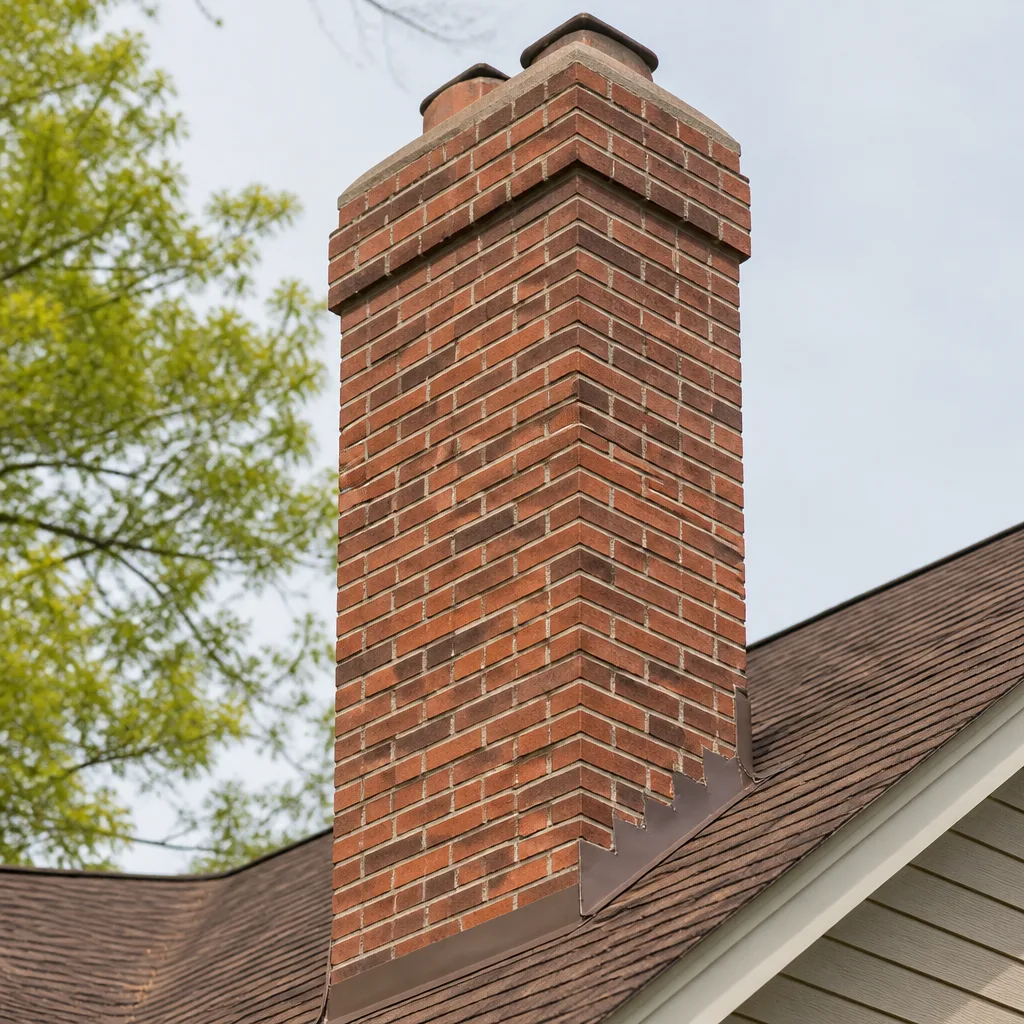 Masonry repair
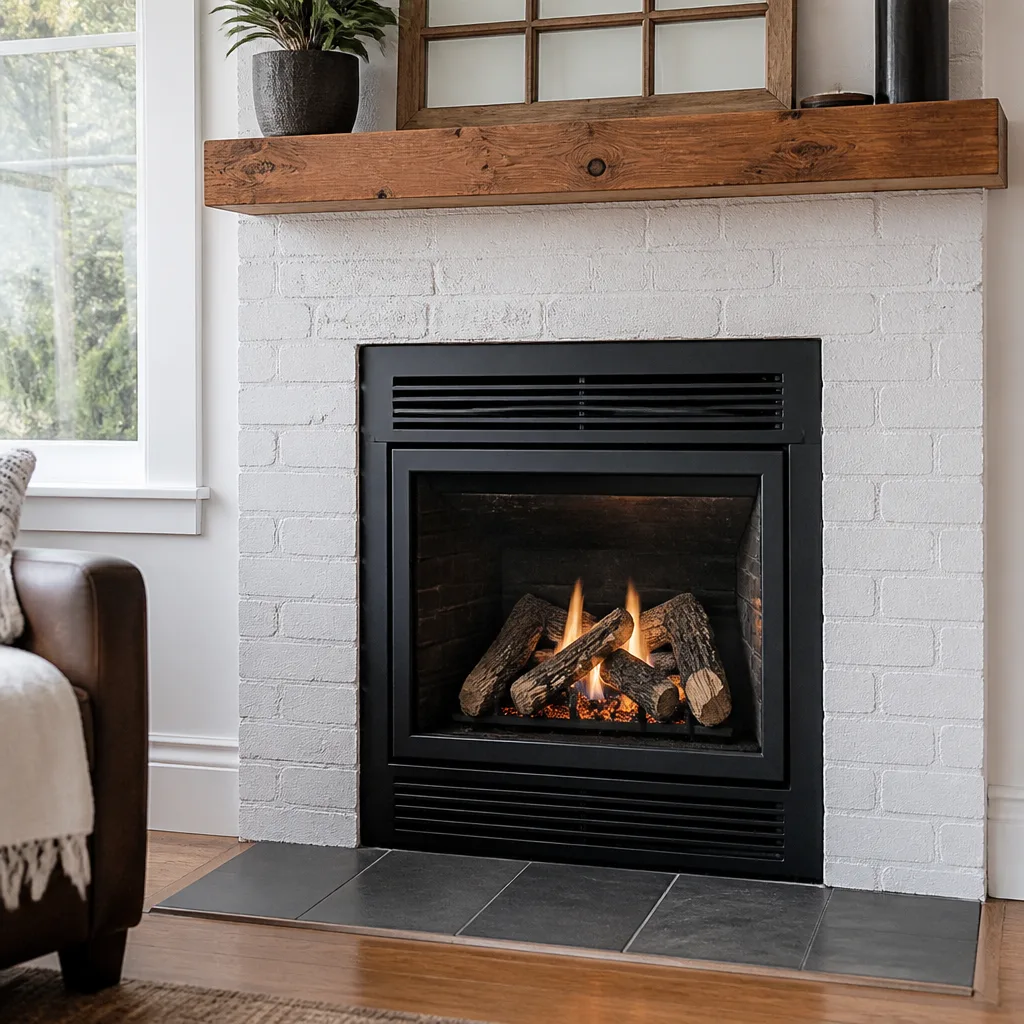 Gas fireplace service
Level 1 sweep and inspection to the NFPA 211 annual standard - flue, crown, cap, and flashing checked and photographed
Chimney sweep logs do not sweep chimneys. They loosen some creosote - which then falls where a brush and vacuum still have to collect it.
Chimney Cleaning Permits, Codes & Inspections in Sandy, UT: What You Need to Know
Most homeowners assume a chimney sweep is a permit-free errand, and for the cleaning itself they’re usually right. The confusion starts after the sweep, when the technician comes off the roof and points out cracked flue tiles or a liner that’s failed. That’s the moment the rules change. Venting repairs and relining inside Sandy‘s building jurisdiction generally require a permit, and work done without one doesn’t disappear. It sits there until a buyer’s inspector finds it. This guide draws the line between what’s exempt and what isn’t, explains how Utah’s adoption of the International Fire Code and IRC Chapter 10 reaches your chimney, and shows how to get a certificate of compliance on file once permitted work is finished.
Quick Answer
Routine chimney cleaning and the inspection that goes with it are maintenance, not construction, and don’t require a permit in Sandy. Structural repair, liner replacement or relining, firebox rebuilding, and flue changes almost always do, because they alter a venting system governed by the International Residential Code and the International Fire Code as Utah adopts them. A permit isn’t paperwork for its own sake; it produces a record of inspection that protects you at resale and when you file an insurance claim.
Styles & brands we work with
- Sweep & inspection
- Caps & crowns
- Flue relining
- Masonry repair
- Gas fireplace service
Table of Contents
- What chimney work in Sandy is permit-exempt, and what isn’t?
- Which codes actually govern chimney repairs in Utah?
- What are the NFPA 211 inspection levels, and when do they matter?
- Does a grandfather clause protect an older masonry fireplace in Sandy?
- How a permitted chimney project unfolds, step by step
- How do you get a certificate of compliance, and why keep it?
- What happens to an insurance claim without permit records?
- Does Sandy’s climate and burning season change the timeline?
What chimney work in Sandy is permit-exempt, and what isn’t?
Sweeping, visual inspections, cap and crown replacement, and most minor fireplace component swaps are generally treated as maintenance in Sandy and don’t trigger a building permit. What does trigger one is anything that changes the venting system itself: relining, liner replacement, firebox or smoke chamber rebuilding, flue resizing, and repairs that move or replace structural masonry. The dividing line is whether the work alters how the chimney vents, not how much it costs.
Here’s a practical breakdown of what we see most often:
- No permit typically required: annual chimney sweep, Level 1 and Level 2 inspections as a standalone service, damper replacement, spark screen and cap fitting, crown sealing when the crown is intact, and mortar repointing that doesn’t touch the flue.
- Permit typically required: installing a stainless liner, converting a fireplace to a wood insert, rebuilding a firebox, replacing a smoke chamber, repairing or replacing a chimney above the roofline where structure is involved, and any change to flue size or configuration.
- Worth a phone call to the city: crown rebuilds where the top courses of masonry are reset, chimney chase modifications around a prefab unit, and anything where an inspector has already flagged a defect in a prior report.
One caution. Sandy, like most Utah municipalities, draws on the same state-adopted model codes, so a contractor who works across the valley usually knows the local intake process. But the answer that matters comes from Sandy’s building department, not from a contractor’s memory of how it went in another city. When we quote a relining job, we tell homeowners to confirm the permit requirement directly. It takes one call and removes the guesswork.
Which codes actually govern chimney repairs in Utah?
Utah adopts the International Residential Code and the International Fire Code with state amendments, which means chimney construction and venting requirements in Sandy come from two directions at once. IRC Chapter 10 governs how the chimney is built and how it vents: flue sizing, clearances, liner materials, height above the roof. The International Fire Code adds the operational side, covering things like clearance to combustibles, creosote accumulation as a hazard, and the conditions that make a chimney unsafe to use.
For a homeowner, the practical effect is this:
- IRC Chapter 10 sets the spec. A new liner must be listed and labeled for the fuel type and appliance it serves, installed to the manufacturer’s instructions, and properly sized. A stainless system such as DuraFlex or Olympia Chimney is listed for the application it’s sold for, which is why the brand and model on the label matter during an inspection.
- The IFC sets the safety threshold. An inspector reviewing permitted work is checking that the completed chimney doesn’t create a fire hazard. That’s where clearance to framing, cap condition, and the state of the flue come into the conversation.
- Manufacturer instructions are part of the code. Both model codes reference listed installation instructions, so the paperwork that ships with a liner or cap is enforceable. Using verified product lines like Gelco and Copperfield, with documentation you can look up, keeps the install defensible years later.
This is also why a fireplace repair that seems cosmetic can turn into a permitting question. Rebuilding a firebox changes the geometry of the venting system, and that geometry is exactly what Chapter 10 addresses. We walk homeowners through that distinction before any work starts so nobody is surprised mid-project.
What are the NFPA 211 inspection levels, and when do they matter?
NFPA 211 defines three levels of chimney inspection, and Sandy code reviewers and insurance adjusters both reference them when a permitted project comes in for review. A Level 1 inspection is the routine annual look, done without tools beyond a flashlight and accessible from the ground or a basic roof view. A Level 2 adds a camera scan of the flue interior and is required when a system changes: a new appliance, a fuel conversion, a liner install, or a property sale. A Level 3 goes further and opens concealed areas of the chimney when a hazard is suspected that a camera can’t resolve.
Here’s how the levels map to real situations:
- Level 1: your yearly sweep on a system that hasn’t changed. Good baseline, limited view.
- Level 2: the inspection a permit review usually expects to see on file after relining or an appliance change. Video evidence of the flue interior before and after is the deliverable.
- Level 3: diagnostic work when a Level 2 finds something unresolved, like a hidden crack behind masonry that needs to be physically exposed.
Because we offer inspection as a standalone service rather than bundling it into a sweep, a Sandy homeowner can request a Level 2 for a permit file, a pre-listing report, or an insurance claim without buying anything else. That independence is the point. An inspection that exists to sell a job isn’t much of an inspection.
Does a grandfather clause protect an older masonry fireplace in Sandy?
A grandfather clause protects a chimney that was legally built and permitted to the code in force at the time of construction, and it does not protect a chimney that was never permitted or that has since become unsafe. This is where a lot of older Sandy homes get tripped up. A masonry fireplace from decades ago may have been legal when built, but if a previous owner relined it without a permit, replaced the firebox, or converted it to a gas insert with no record, that protection doesn’t extend to the unpermitted work.
In practice, grandfathering covers the original assembly, not later modifications:
- What it covers: the original configuration as built and inspected at the time of construction, provided it hasn’t been altered and remains in safe working condition.
- What it doesn’t cover: unpermitted liner installs, firebox swaps, insert conversions, or repairs that changed the venting system without a record.
- What it never covers: a chimney that has deteriorated to the point of being a hazard. Code doesn’t grandfather a cracked flue or a compromised smoke chamber, and no inspector will sign off on one.
Homes in the older pockets of Sandy, especially those near the historic core and the neighborhoods that grew up around the east bench, are the ones most likely to carry an undocumented modification. If you’re buying or selling one, a Level 2 inspection before closing is the cheapest way to find out what you’re inheriting. A missing permit is fixable; a missing permit discovered two weeks before closing is expensive.
How a permitted chimney project unfolds, step by step
A permitted chimney project in Sandy follows a predictable sequence, and knowing it makes the process feel less opaque. The permit is pulled before work starts, an inspection happens at defined points, and the job isn’t closed out until the work is signed off. Here’s the sequence we walk homeowners through.
- Inspection and diagnosis. A Level 1 or Level 2 inspection establishes what the chimney actually needs. Camera evidence and a photo report come out of this step, so the scope is based on what the flue looks like inside, not on an estimate written from the driveway.
- Written scope and estimate. The estimate defines the work, the materials, and the brands being used. Products like DuraFlex, HeatShield, Gelco, Olympia Chimney, Famco, and Copperfield are all verifiable product lines, which matters when an inspector checks the label.
- Permit application. The contractor or homeowner applies to Sandy’s building department. The application includes the scope, the product specs, and often the inspection report that prompted the work.
- Permit issued, work scheduled. Once the permit is in hand, work proceeds. Inspections are typically required at stages: after the liner is installed but before the cap and crown close it up, and a final inspection at completion.
- Inspection and sign-off. The city inspector reviews the work against the approved scope and the code. Completed work that passes produces a record.
- Certificate of compliance. The final documentation is issued. Keep a copy. It’s the document that answers the question every future buyer and adjuster will ask.
Two practical notes from our side of it. A chimney cap & crown replacement that’s purely restorative often doesn’t need a permit, but a crown rebuild that resets masonry may. And repair-first options change the permitting math: HeatShield ceramic resurfacing restores a damaged flue liner without a full reline in some cases, which can mean a smaller project and a simpler permit path. We tell homeowners what their chimney actually needs, whether that’s a resurfacing, a reline, or nothing at all right now.
How do you get a certificate of compliance, and why keep it?
A certificate of compliance is issued after permitted chimney work passes final inspection, and it’s the single most useful piece of paper in your home file. You don’t apply for it directly; it follows the permit. The permit is pulled, the work is inspected, the inspection passes, and the closing documentation confirms the work meets code. For a Sandy homeowner, the process is a matter of making sure the final inspection actually gets requested and closed out, because an open permit on record causes problems of its own.
Why it matters, concretely:
- Resale. A buyer’s inspector who finds a modern liner with no permit record will flag it, and the deal slows down while you produce documentation that may not exist. A certificate closes that question before it opens.
- Insurance. If a chimney fire or carbon monoxide incident leads to a claim, the adjuster will want to know the venting system was installed to code. A certificate of compliance is direct evidence. Its absence invites a dispute you don’t want.
- Future work. The next contractor, the next inspector, and the next owner all benefit from a documented history. Chimneys accumulate interventions over decades, and undocumented ones muddy the picture.
If you’ve bought a home with a liner install that has no record, a Level 2 inspection can establish the current condition even if it can’t retroactively permit the work. From there you know what you’re dealing with. That’s the honest starting point, and it’s how we approach every Sandy inspection.
What happens to an insurance claim without permit records?
An insurance claim on a chimney loss without permit records is harder to close, because the adjuster can’t confirm the venting system was code-compliant when the loss occurred. That doesn’t automatically mean denial, but it means the claim rests on an inspection done after the fact, which is a weaker position than documented permitted work. The distinction matters most for liner and structural failures, where the code requirement is specific and an inspector can point to it.
What typically happens, in our experience with Sandy homeowners:
- Straightforward losses with a clean permit history resolve on the strength of the record and a post-loss inspection.
- Contested losses often involve a liner or firebox that was replaced without a permit. The adjuster asks who installed it and to what standard, and the answer isn’t documented.
- Older homes with original masonry generally fare better, because the original assembly was permitted at construction even if later modifications weren’t.
Carbon monoxide is the other side of this. A properly vented, code-compliant flue is what keeps combustion gases going up and out, and a chimney that’s been modified without inspection can vent incorrectly without any visible sign inside the house. That’s not a scare tactic; it’s the reason the code exists. A working carbon monoxide alarm on every level is a basic precaution in any Sandy home with a fuel-burning appliance, and a properly documented chimney is the other half of the same protection.
Does Sandy’s climate and burning season change the timeline?
Sandy’s cold winters and long heating season mean the chimney is under load for months at a stretch, and that shapes both the inspection calendar and the permit timeline. Homes here burn steadily from late fall into spring, which builds creosote faster than a mild climate would. The practical consequence is that by the time spring arrives, a chimney has usually accumulated a season’s worth of deposits, and any defect that developed over the winter becomes visible.
Timing the work well looks like this:
- Late spring and summer are the natural window for permitted repair work. The system is idle, the roof is accessible, and a permit application isn’t competing with the heating season. If you know a reline is coming, this is when it goes smoothly.
- Early fall is when the annual sweep should happen, before the first serious burn. A clean flue at the start of the season is the baseline everything else is measured against.
- Mid-winter is for diagnosis and emergency repair, not planned permitting. If a liner fails in January, we address the safety issue and plan the permitted work for the off-season.
The Wasatch foothills above Sandy also mean a chimney sits in a freeze-thaw cycle that works on masonry crowns and mortar joints. A crown that’s cracking in the fall will be worse by spring, and a crown repair done before winter is cheaper than a rebuild done after. That’s a climate fact, not a sales pitch, and it’s why we recommend looking at the crown during the same visit as the sweep.
Common Mistakes to Avoid
- Assuming the sweep’s findings are the final word on permitting. A sweep identifies the condition; the building department decides what needs a permit. Confirm the requirement with Sandy’s building department before work starts, not after.
- Letting a liner get installed without a record. It happens more than homeowners realize, and it turns a straightforward reline into a documented defect at resale. Ask for the permit number and keep the paperwork.
- Relying on a grandfather clause for unpermitted modifications. Grandfathering covers the original assembly, not the insert someone added in 2005 with no inspection. If the history is unclear, get a Level 2.
- Skipping the final inspection. An open permit on record causes its own problems at closing. Make sure the final inspection is requested and the certificate is issued.
- Treating a pre-listing inspection as optional. Sellers who inspect before listing control the conversation. Sellers who don’t find out about a problem through a buyer’s inspector, on the buyer’s timeline.
- Choosing a contractor by coupon instead of by material and scope. The brands going into the flue, and whether the scope matches what the inspection found, matter more than the headline price. Verifiable product lines and a written scope are what hold up under review.
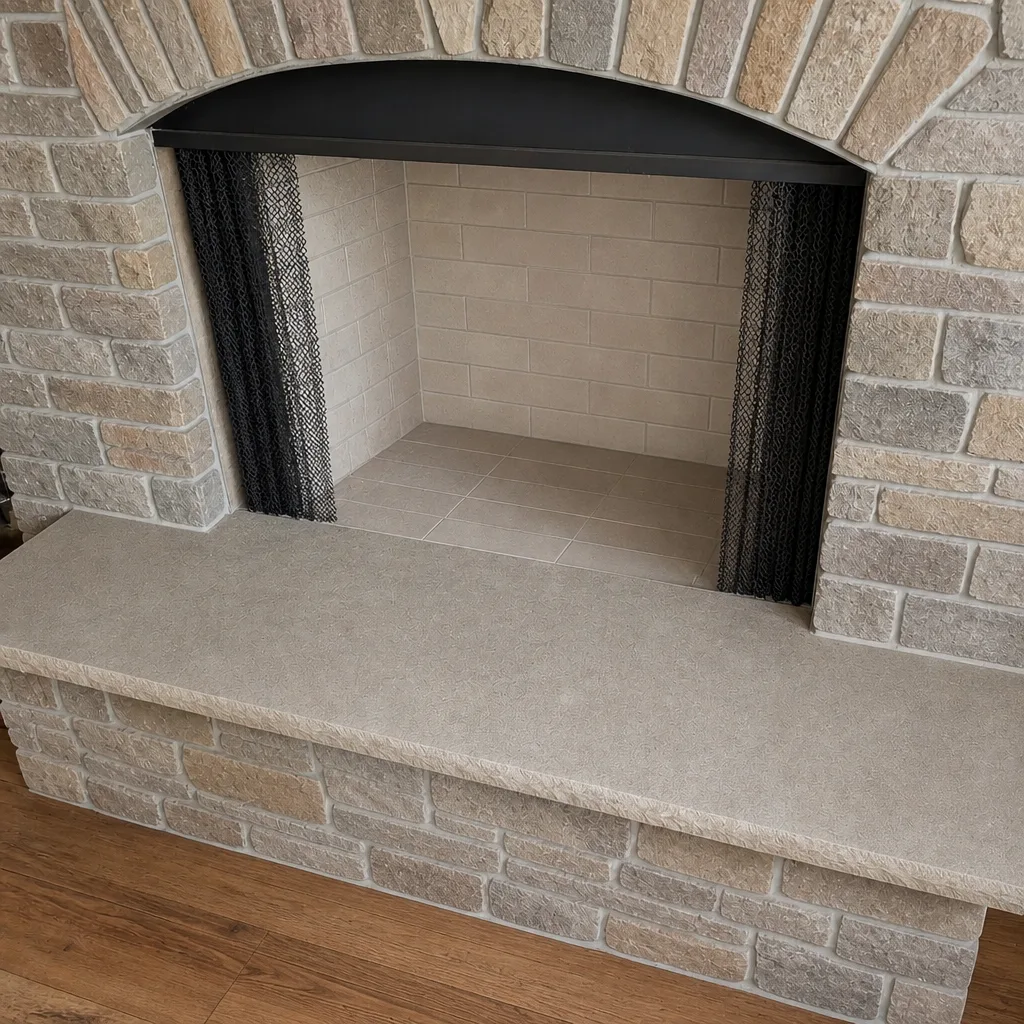
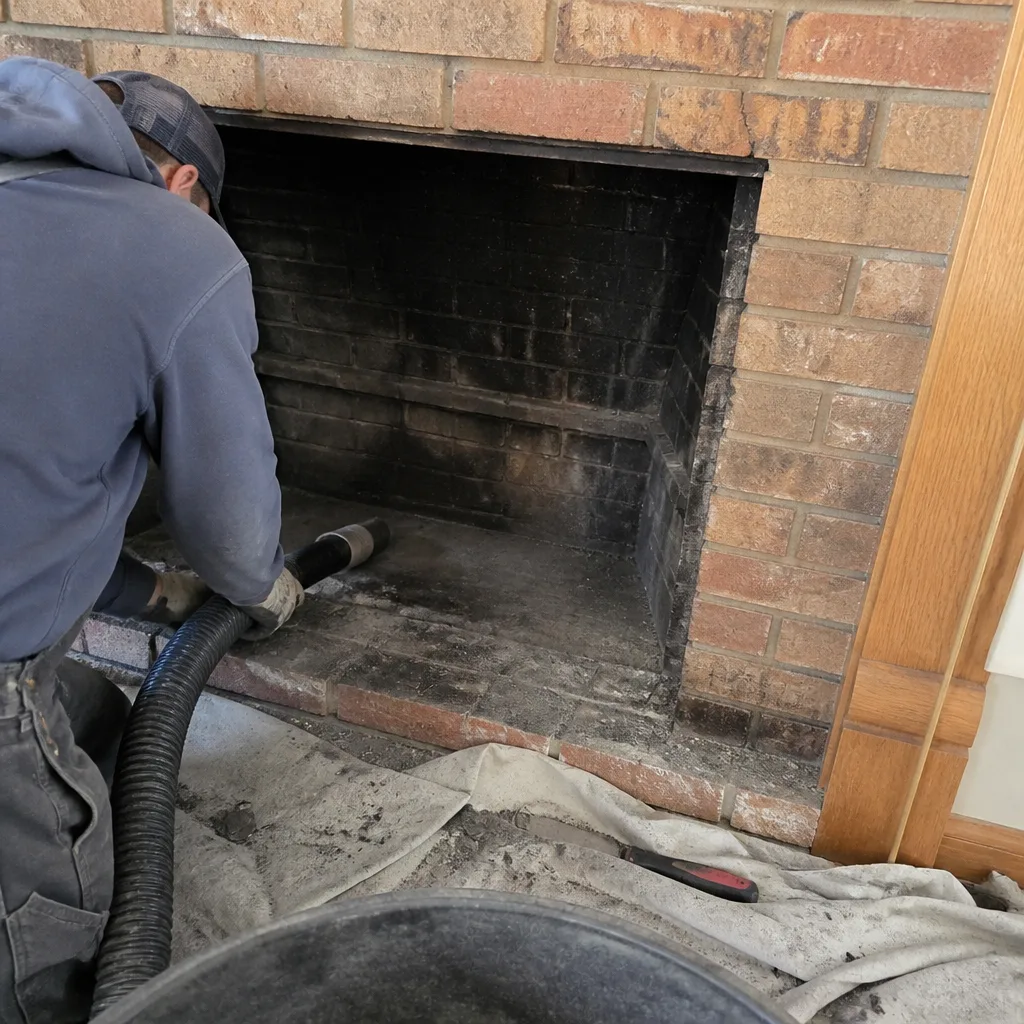
See the difference
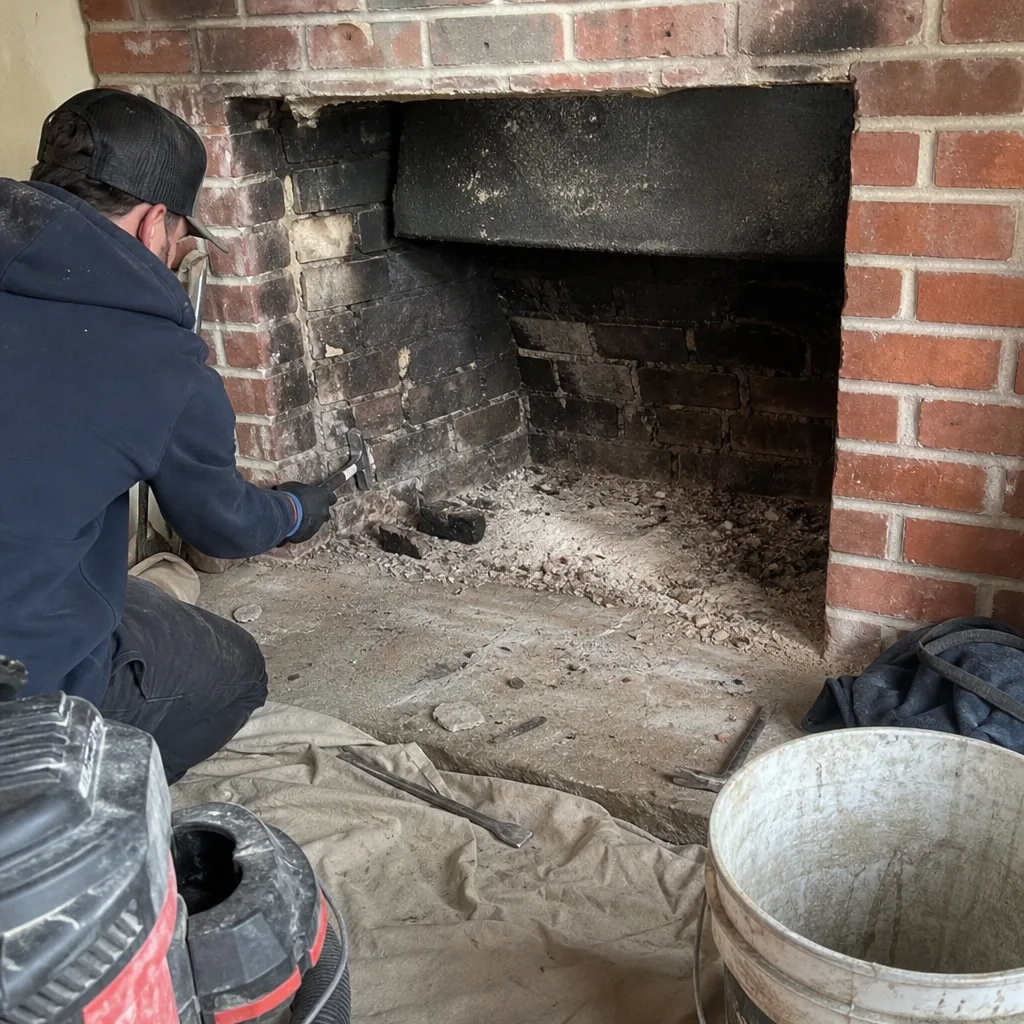 Before
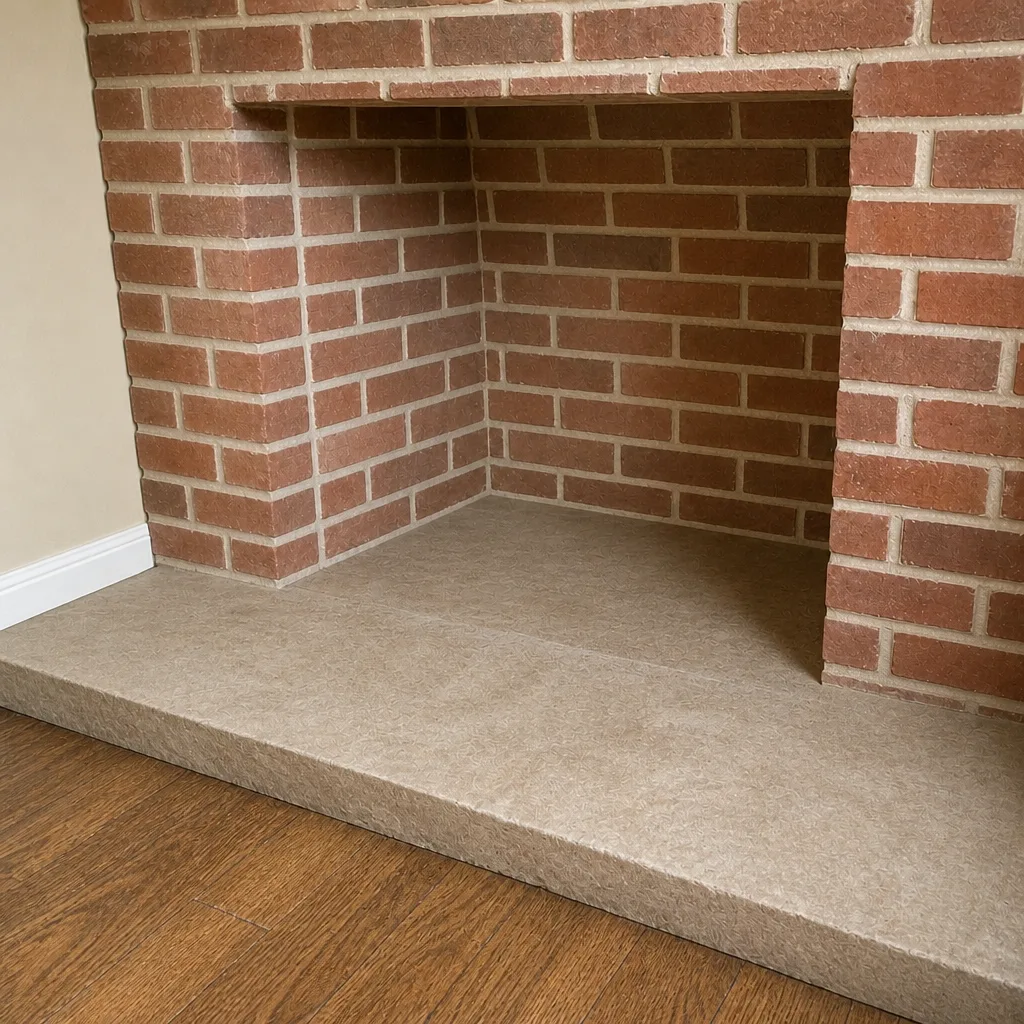 After
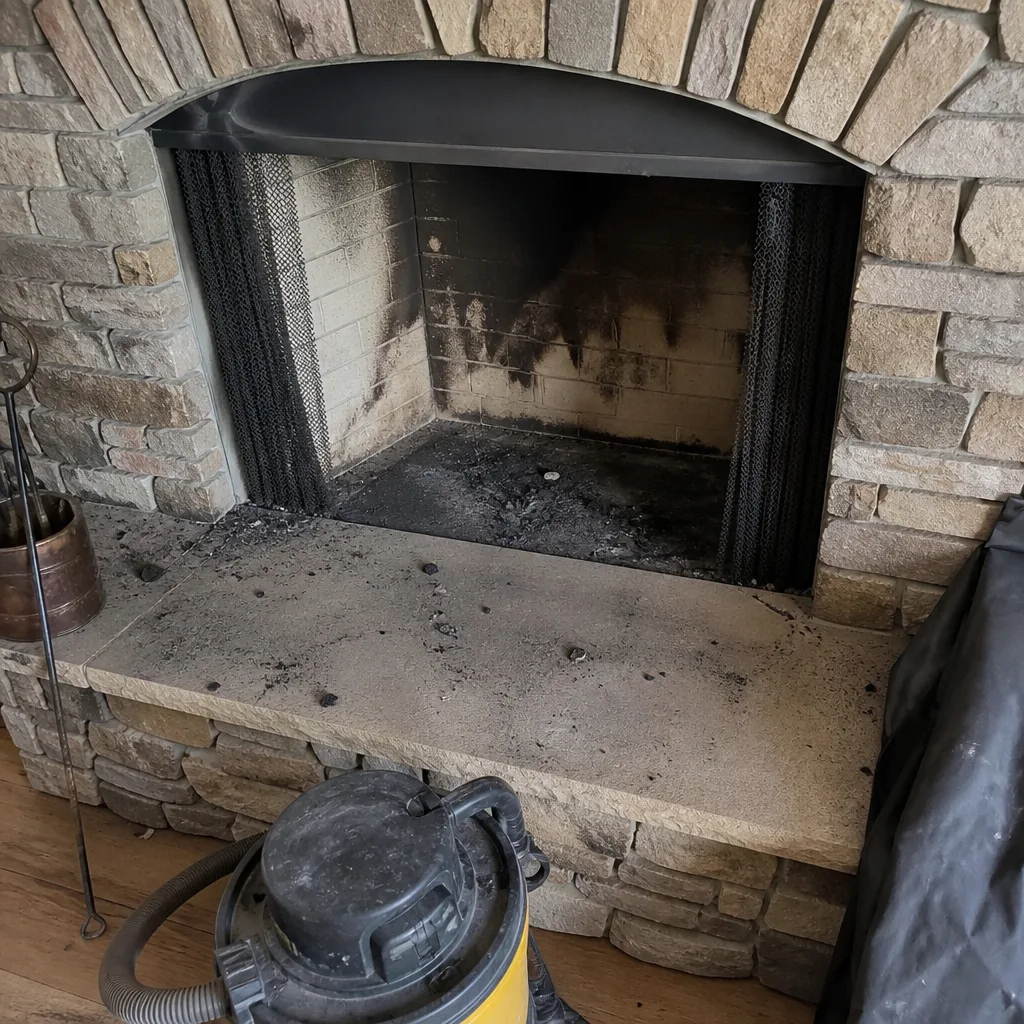 Before
 After
 Before
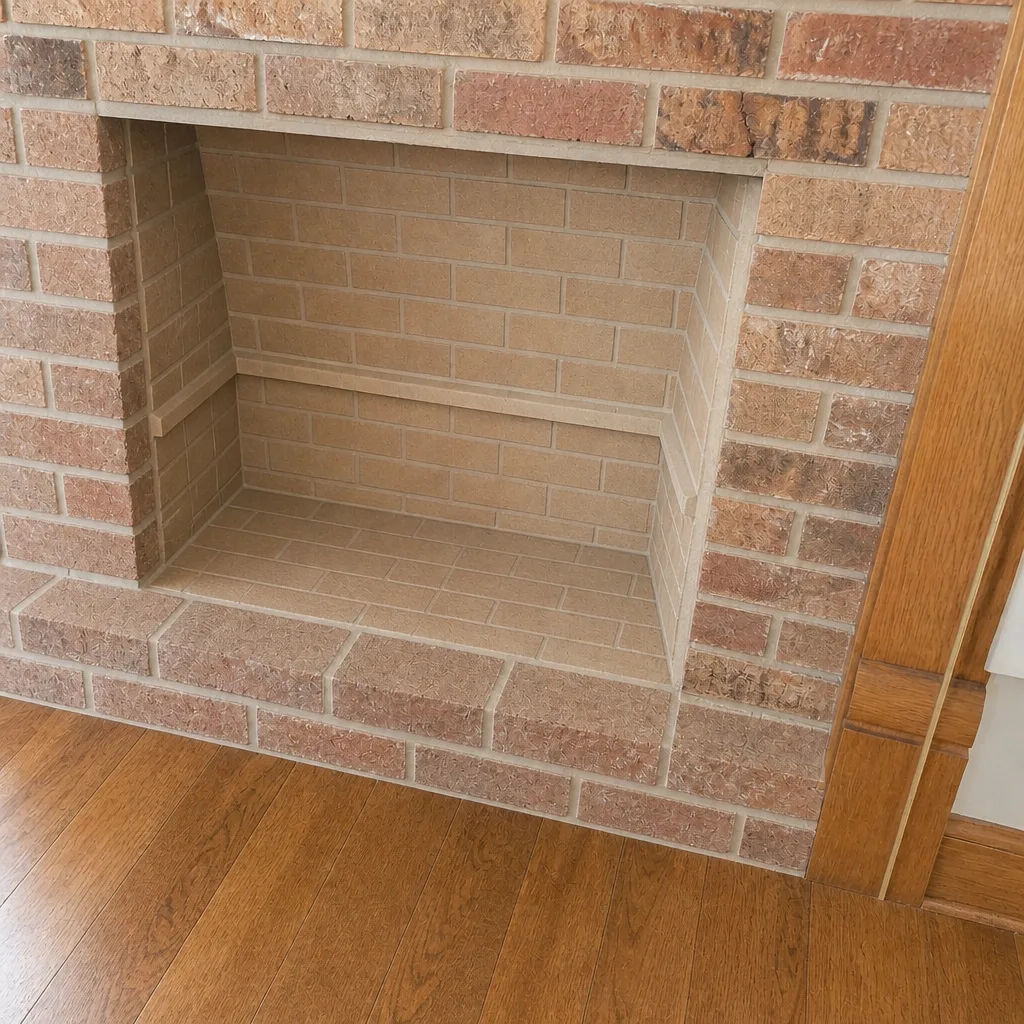 After
When to Call a Professional
Call a professional when the work involves anything above the roofline, anything inside the flue, or any question about whether a permit is needed. High-tension components, structural masonry, and gas appliance connections all carry real risk, and a chimney fire or carbon monoxide problem is not something to diagnose from the ground. If your inspection report flags a cracked flue, a failed liner, a compromised crown, or a firebox that needs rebuilding, that’s professional work with a permitting path attached. The same goes for a Level 2 inspection before a home sale, and for any chimney that hasn’t been looked at in a few seasons. Sandy Chimney Sweep Pros offers free estimates in Sandy. Call (844) 625-7409. We answer 24/7. Fast dispatch from 7am to 7pm, Sunday through Friday. Our technicians have up to 8 years of experience, and nothing gets recommended without camera evidence you can see for yourself.
Frequently Asked Questions
No. Routine chimney cleaning and the inspection that accompanies it are maintenance and don’t require a permit in Sandy. A permit enters the picture only when the work alters the venting system, such as relining, liner replacement, firebox rebuilding, or structural repair. If your sweep finds one of those conditions, confirm the permit requirement with Sandy’s building department before any repair work begins. Call (844) 625-7409 for an exact quote on the cleaning or inspection itself; estimates are free.
Almost always, yes. A liner replacement changes the venting system governed by IRC Chapter 10 and the International Fire Code as Utah adopts them, which puts it in permitted-work territory in most Salt Lake County jurisdictions including Sandy. The permit produces the inspection record that protects you at resale and in an insurance claim. Call (844) 625-7409 to discuss your liner and get a written scope before anything is pulled or installed.
NFPA 211 defines three levels: Level 1 is the routine annual look with basic tools, Level 2 adds a camera scan of the flue interior and is required when the system changes or a property sells, and Level 3 opens concealed areas when a hazard is suspected. A permit review for relining work typically expects a Level 2 on file. We offer inspection as a standalone service in Sandy, so you can request the level you actually need. Call (844) 625-7409 for a free estimate.
Only for the original assembly as legally built and inspected, and only while it remains in safe working condition. It doesn’t cover unpermitted liner installs, firebox swaps, or insert conversions done after construction, and it never covers a chimney that has deteriorated into a hazard. If the history of your older Sandy home is unclear, a Level 2 inspection is the way to find out what you actually have. Call (844) 625-7409 for a free estimate.
The certificate follows the permit. Once permitted work passes final inspection, the closing documentation confirms it meets code, and you keep a copy for your records. There’s no separate application; the key is making sure the final inspection is requested and the permit is closed out rather than left open. If you’re unsure whether a prior install was ever permitted, an inspection can establish current condition. Call (844) 625-7409 for a free estimate.
It can make the claim harder to close, because the adjuster can’t confirm the venting system was code-compliant when the loss happened. That’s not an automatic denial, but it shifts the claim onto a post-loss inspection instead of documented permitted work. Keeping permit records and a certificate of compliance on file is the simplest protection. Call (844) 625-7409 to talk through an inspection or get a free estimate.
The Bottom Line
Cleaning your chimney in Sandy doesn’t require a permit, and it rarely will. Repairing or replacing the venting system almost always does, because IRC Chapter 10 and the International Fire Code govern how a chimney is built and how it vents, and Utah adopts both. The line between maintenance and permitted work is the line between a sweep and a structural change. Stay on the right side of it and you get a documented chimney, an easier resale, and a stronger insurance position. Cross it without a permit and you inherit a disclosed defect you didn’t create. When the sweep finds something, get camera evidence, get a written scope, and confirm the permit path with the city before work starts. That sequence protects the homeowner every time.
Call (844) 625-7409 for a free estimate. We answer 24/7. Fast dispatch from 7am to 7pm, Sunday through Friday. From the first inspection to the final repair, one team handles the full lifecycle of your chimney, with professional-grade materials from brands you can look up and verify.
Written by the team at Sandy Chimney Sweep Pros.