
Last updated November 24, 2026
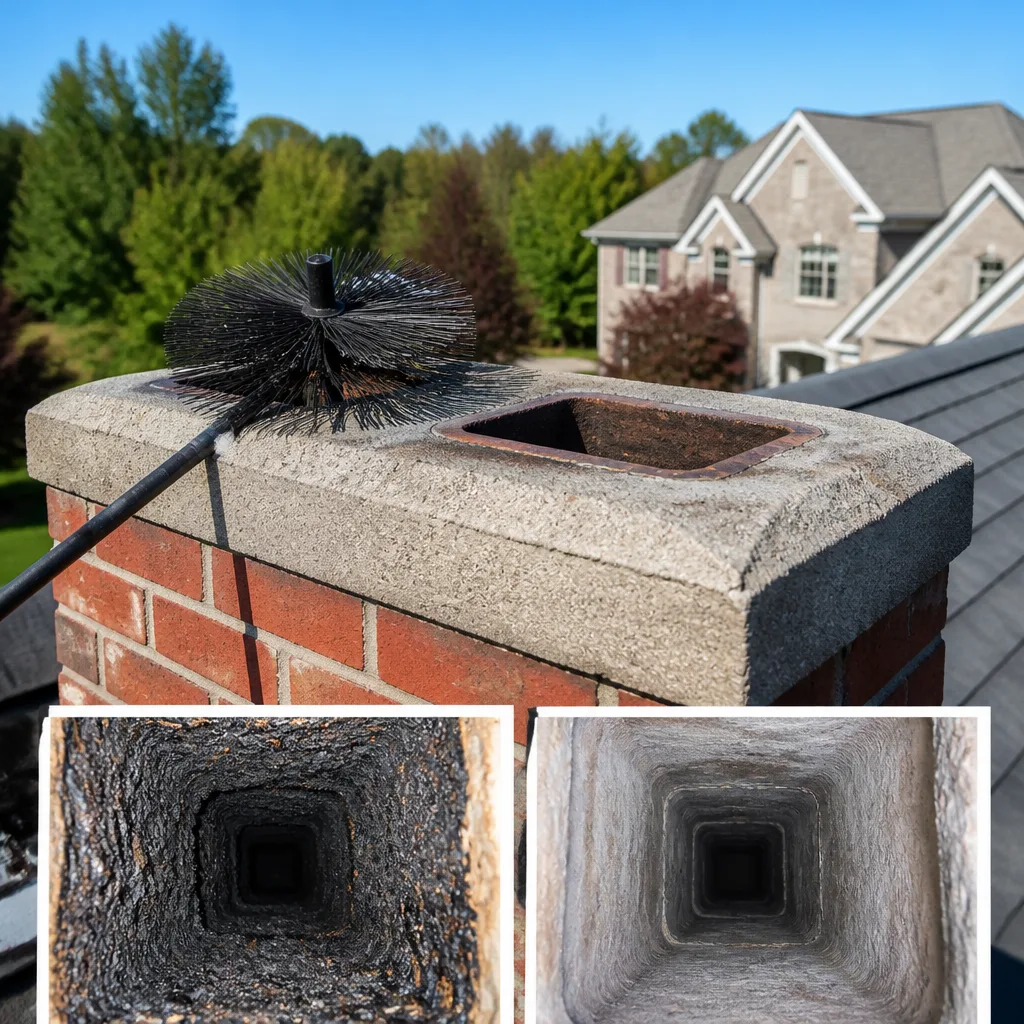 Sweep & inspection
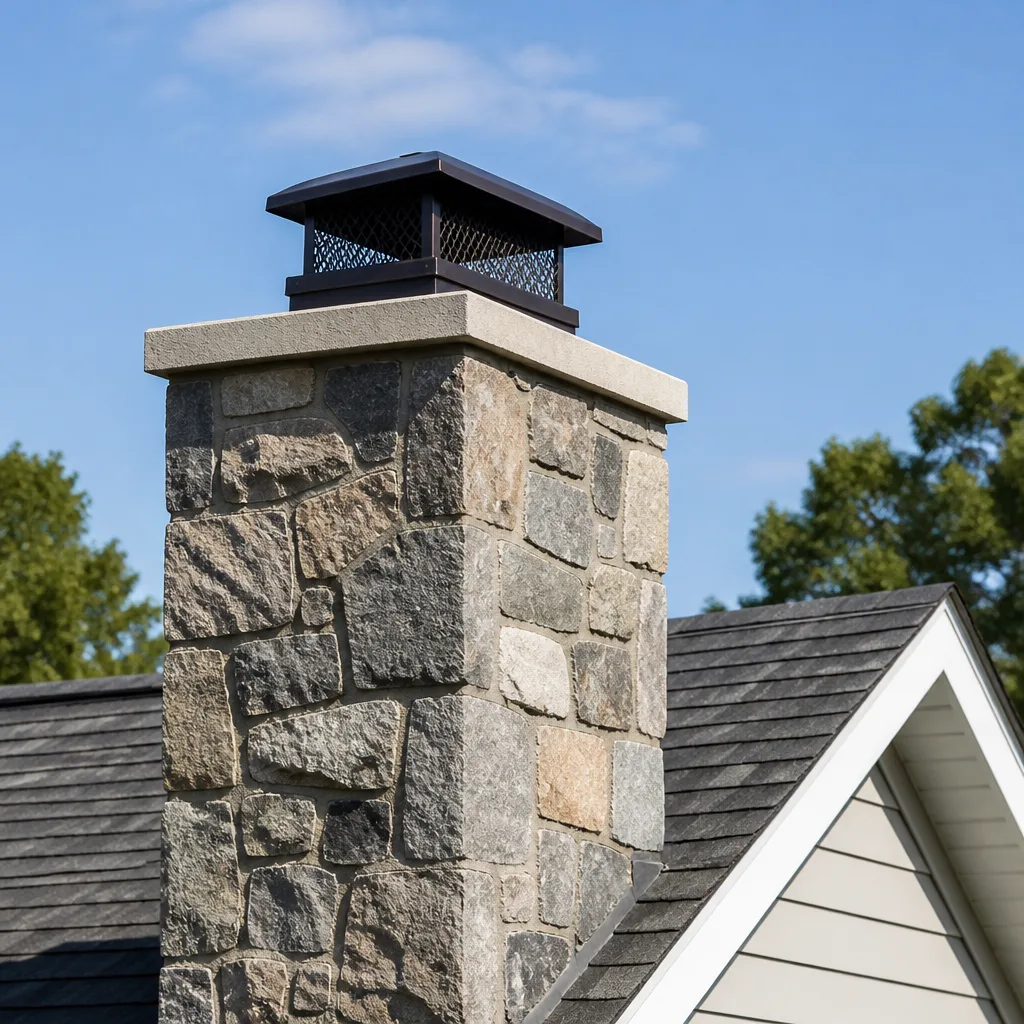 Caps & crowns
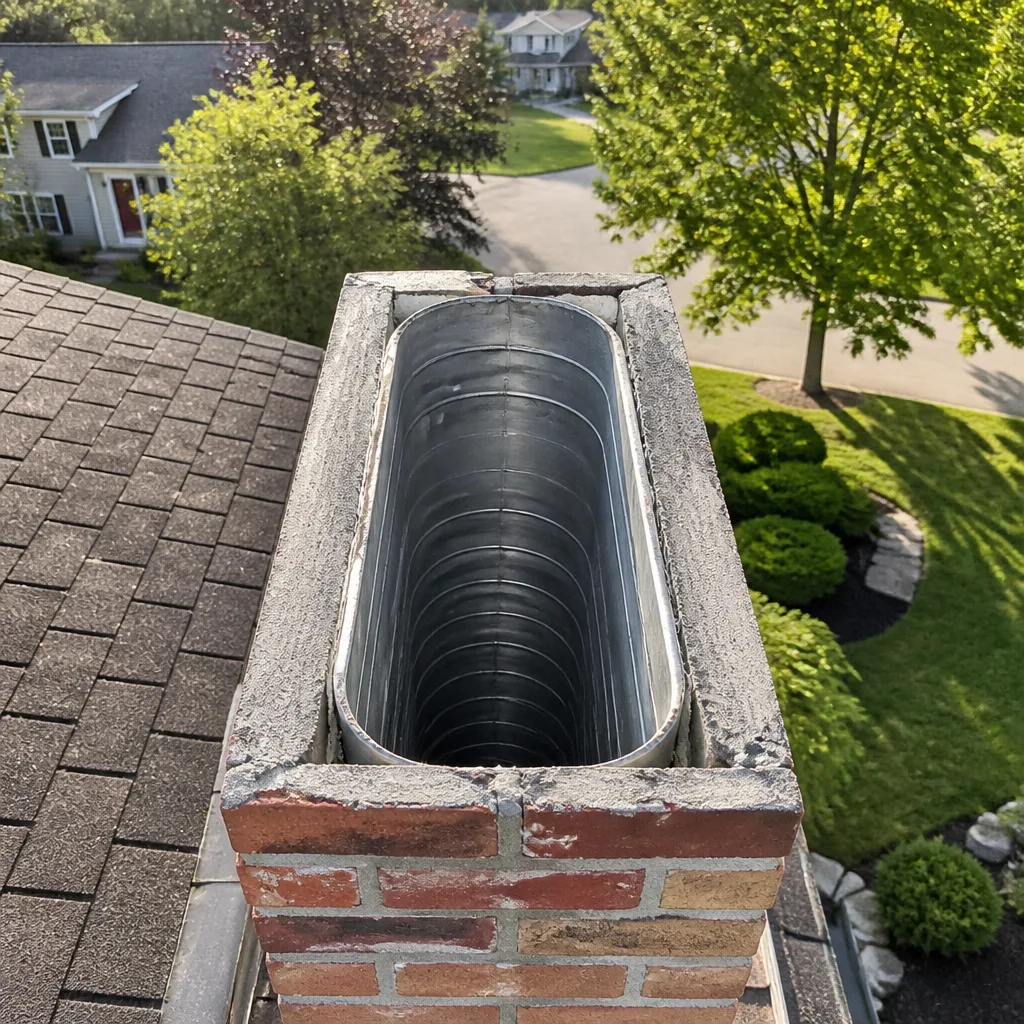 Flue relining
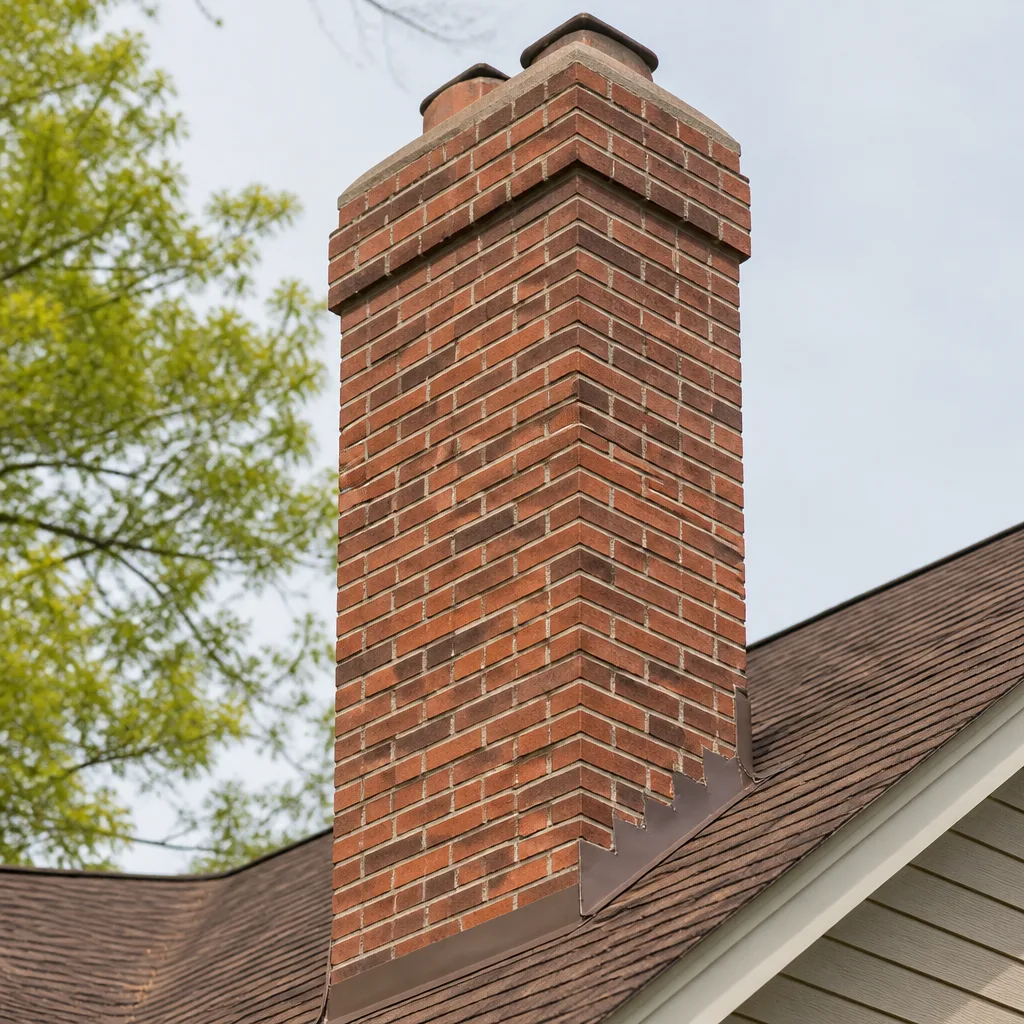 Masonry repair
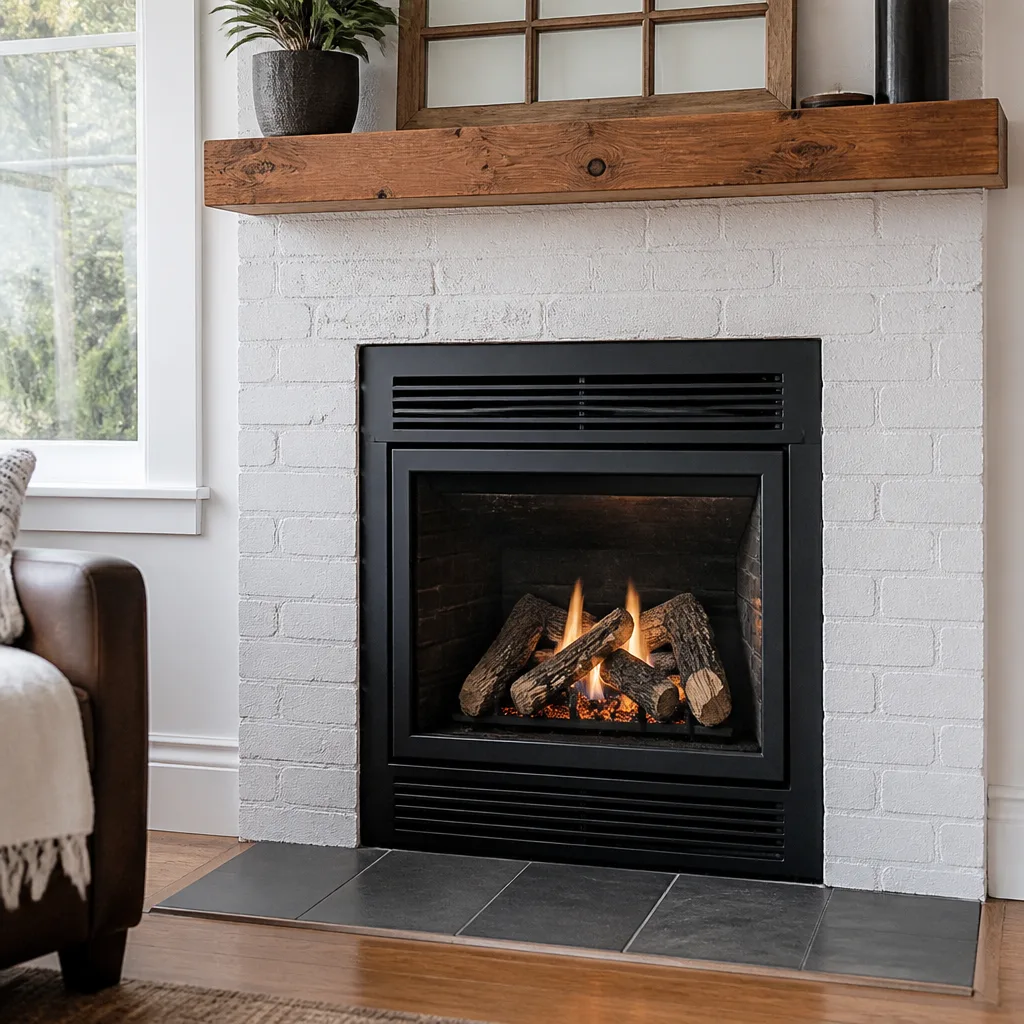 Gas fireplace service
Level 1 sweep and inspection to the NFPA 211 annual standard - flue, crown, cap, and flashing checked and photographed
Chimney sweep logs do not sweep chimneys. They loosen some creosote - which then falls where a brush and vacuum still have to collect it.
Seasonal Chimney Cleaning Care for Sandy: Year-Round Homeowner’s Guide
Most Sandy homeowners treat the chimney like a furnace filter: give it attention once a year, in fall, and forget it. That schedule protects you against creosote and very little else. Between May and September, while the fireplace sits idle, the mortar on your crown is quietly spalling under intense high-altitude sun. In January, cold-air inversions settle over the valley and change how your chimney drafts, which changes how creosote builds on the liner. A single October appointment can’t catch any of that. This guide lays out a full-year care calendar for Sandy, season by season, so each part of your chimney system gets checked when the damage is easiest to find and cheapest to fix.
Quick Answer
Year-round chimney care in Sandy works on a four-season cycle rather than one fall cleaning: inspect for moisture damage after spring snowmelt, seal and monitor the crown through summer UV, schedule the full cleaning and inspection before the October backlog, and watch creosote staging and draft behavior through winter inversion season. The goal is to catch problems while they’re small, not to cram all maintenance into one appointment.
Styles & brands we work with
- Sweep & inspection
- Caps & crowns
- Flue relining
- Masonry repair
- Gas fireplace service
Table of Contents
- Why seasonal care matters in Sandy
- Spring: what to inspect after the last fire
- Summer: crown sealing and UV damage
- Fall: the full pre-season protocol
- Winter: mid-season monitoring during heavy burn periods
- How Sandy’s winter inversions affect draft and creosote
- Common mistakes to avoid
- When to call a professional
Why Seasonal Care Matters More in Sandy Than in Most Places
A chimney in Sandy lives through four very different kinds of stress in a single year, and each one attacks a different component. That’s the core reason a one-appointment schedule leaves gaps.
Spring brings snowmelt. Water that has worked into hairline cracks in the mortar freezes overnight and thaws by afternoon, and that freeze-thaw cycle pries masonry apart a little more each time. Summer brings intense high-altitude ultraviolet light, which bakes the crown and the exposed mortar joints and accelerates the crumbling that spring started. Fall is when the fire comes back, and it’s when the creosote from last season plus this season’s first burns needs to go. Winter concentrates everything: heavy burning, closed windows, and the cold-air inversions that settle into the valley and change how your flue exhausts.
In our experience, the homeowners who never have a big repair are the ones who catch each problem in the season it develops. Mortar that’s caught in spring is a repointing job. The same mortar caught three winters later is a rebuilt crown. That’s the whole argument for spreading chimney care across the calendar.
Key takeaway: Sandy’s dry-heat summers and freeze-thaw spring cycles damage masonry in ways a fall cleaning can’t detect. Year-round care is about matching the inspection to the season.
Spring: What to Inspect After the Last Fire of the Season
Spring is the single best window to look for moisture damage, and it’s the window most homeowners skip. Once the last fire of the season is out, the snowmelt begins, and any water that intrudes into the chimney shows up as visible staining and crumbling before it dries out for summer. Catch it now and the repair is minor.
What to check after snowmelt
- Crown surface: Look for hairline cracks, flaking, or a crown that has pulled away slightly from the flue. That small gap at the flue is where water gets in first, and it’s the most common moisture entry point on a Sandy chimney.
- Mortar joints: Run your eye down the exterior masonry for joints that look recessed, sandy, or lighter than the surrounding brick. Receded joints mean the mortar is wearing away and water is getting behind it.
- Efflorescence: A white, chalky stain on the brick is a sign water has moved through the masonry and evaporated, leaving mineral salts behind. It’s one of the clearest early moisture indicators you can spot from the ground.
- Rust on the firebox or damper: Rust inside the firebox means moisture is getting in from above, typically through a failing crown or a missing or damaged cap.
- Interior staining: Discoloration on the ceiling or wall near the chimney chase, or a musty smell in the room, points to water intrusion that has already traveled through the system.
If you see any of these, the fix is usually a crown repair or a new cap rather than anything structural. Our chimney cap & crown service handles both, and it’s far less expensive when it’s caught in spring than when the freeze-thaw cycle has had a second winter to work on it.
Summer: Crown Sealing, UV Damage, and the Mid-Year Inspection
Summer is the season most homeowners ignore the chimney entirely, and it’s the season doing the most quiet damage. Sandy sits at high altitude with an aggressive UV index through the summer months, and that sunlight degrades exterior masonry and especially the crown, which is the flat concrete or mortar top that sheds water away from the flue. A crown that’s already cracked from spring freeze-thaw gets dried out and baked further by summer sun, and the cracks widen.
Why summer is the right time for crown work
Crown sealer and crown repair need dry, warm conditions to cure properly. Summer gives you that window. A crown that’s sealed or repaired in summer is protected before the first freeze of fall, which is exactly when the damage would otherwise accelerate. Waiting until fall to address a cracked crown means doing the work right as the weather turns, or worse, doing it after the first hard freeze has already widened the cracks.
- Seal or repair the crown before the fall freeze. Summer is the cure window, and the repair is a fraction of a rebuilt crown.
- Check the cap and spark arrestor. A cap that’s bent, rusted, or lost its screening lets water and animals in. Our chimney sweep visits include a check on the cap, but summer is when you want to fix it, not the day before your first fire.
- Book a mid-year visual inspection. A standalone visual check in summer catches crown, cap, and flashing problems while there’s still time to repair them before burning season. We offer inspection as its own service precisely so this doesn’t have to wait for a full cleaning appointment.
A mid-year inspection is also where we catch a failing crown before it becomes a flashing leak, which is a bigger and more interior repair. It costs less to look in June than to fix a ceiling in November.
Fall: The Full Pre-Season Protocol
Fall is when the chimney gets its most important single appointment of the year, and it’s the one everyone remembers. The goal is to have the system cleaned, inspected, and ready before the October backlog hits, when every sweep in the valley is booked solid.
The pre-season checklist
- Schedule the sweep early. Book before the rush so you’re not waiting for an appointment while the first cold snap is in the forecast. A clean flue means the creosote from last season isn’t sitting in the liner when you light the first fire.
- Get a Level 2 inspection if it’s been a while or if anything has changed. A cleaning visit includes a basic visual check. A Level 2 inspection is the more thorough look with a camera, and it’s what you want if you’ve had a chimney fire, changed fuel type, added a stove insert, or bought the house since the last inspection. The difference matters because the camera finds liner damage a visual check can’t see.
- Test the damper. Open and close it fully. A damper that sticks, won’t close flat, or won’t open all the way affects draft and lets heat escape when the fireplace is off. Sticking dampers are common after a summer of disuse.
- Check the cap and screen. A missing or damaged cap lets water, birds, and debris into the flue. Fall is the last easy chance to replace it before winter.
- Confirm the firebox and liner are sound. Cracks in the firebox masonry or a damaged liner need to be addressed before you burn, not after.
If the fall inspection turns up liner damage, you have options. Our fireplace repair service covers firebox and damper issues, and for liner problems we can talk through HeatShield ceramic resurfacing as a repair-first alternative to a full reline. If a reline is genuinely needed, we carry DuraFlex flexible liner systems, which handle the offset and older flues that rigid liners can’t. Either way, the estimate sets the price, and nothing gets recommended without camera evidence you can see.
Winter: Mid-Season Monitoring During Heavy Burn Periods
Winter is when most homeowners actually use the fireplace, and it’s when the creosote that builds up between cleanings matters most. A fall sweep cleans the slate. Winter is about watching what accumulates after it.
Signs creosote is building between cleanings
- Reduced draft: Smoke that used to go up cleanly now rolls into the room or the fire struggles to catch. A narrowing flue changes how the chimney exhausts.
- A strong, sharp, or tar-like smell when the fireplace is cold, or a smell that lingers in the room. That’s often creosote, especially glaze.
- Visible buildup if you can see into the flue from the top or through the firebox. A flashlight up the flue from below tells you a lot.
- Darker, thicker smoke than usual from the chimney top, which usually means incomplete combustion and faster creosote formation.
- Any chimney fire, even a small one. A loud roar, a vibration, or black smoke from the top is a chimney fire. Stop using the fireplace and get it inspected before the next burn.
When to stop using the fireplace
Stop burning if you smell creosote strongly, if draft has degraded noticeably, if the firebox or liner shows any cracking, or if you’ve had a chimney fire of any size. A chimney fire can damage the liner without obvious outward signs, and the only way to know is a camera inspection. Between burns, if the flue is loading up faster than expected, it’s a sign your wood is wet or your burning habits need adjusting, and it’s worth addressing before the season is out rather than waiting for the next fall sweep.
Carbon monoxide is the other winter concern. A blocked or damaged flue can let combustion gases back into the house, and a working CO alarm on every level of the home is not optional if you burn regularly. A clean, sound chimney is a safety checkpoint, not just a maintenance chore.
How Sandy’s Winter Inversions Affect Draft and Creosote
This is the part of chimney care most guides skip, and it’s the part that matters most in Sandy. In winter, cold air settles into the valley under a layer of warmer air above, creating a temperature inversion. The dense cold air at ground level is stable and slow-moving, and it changes how your chimney drafts.
A chimney drafts because hot exhaust is lighter than cold outside air and rises. During an inversion, the cold air at the chimney top is heavier and the atmosphere is more stable, so the pressure difference that drives draft is weaker. Fires burn less efficiently, smoke lingers, and combustion is incomplete. Incomplete combustion is exactly what deposits more creosote on the liner, so inversion days produce creosote faster than clear, windy days do. A chimney that drafts well in November can start smoking back in the middle of an inversion in January even though nothing has changed about the chimney itself.
What that means in practice: on inversion days, burn hotter, smaller fires with dry, well-seasoned wood to keep the flue warm and drafting, and expect faster creosote buildup during a long inversion stretch. If your fireplace starts backing up smoke during an inversion and didn’t before, get the flue checked. It could be weather, or it could be buildup the weather has accelerated. That’s the reason mid-season inspection makes sense in Sandy specifically, not as an upsell but because the valley’s winter air genuinely changes how the system behaves.
Common Mistakes to Avoid
- Treating the chimney as a once-a-year fall chore. A fall cleaning protects against creosote but misses the summer UV and winter freeze-thaw damage to the crown. Spread the checks across the year.
- Ignoring a cracked crown because the fireplace still works. A cracked crown doesn’t stop the fire from burning, which is why it gets missed. It does let water into the masonry, and that’s the expensive part.
- Burning wet or unseasoned wood to save money. Wet wood burns cooler and incompletely, which produces more creosote. In an inversion, that effect is magnified. Seasoned, dry wood is the single cheapest thing you can do for your chimney.
- Waiting for the October backlog. Every sweep in the area gets booked in October. Schedule the fall visit earlier so you’re not waiting on a list while the first freeze is coming.
- Skipping the camera inspection after a chimney fire. A small fire can crack a liner with no visible outside sign. A visual check isn’t enough; the camera is what finds it.
- Assuming a mid-year inspection means a full sweep. They’re different services. A visual or camera inspection in summer catches crown and cap problems without a cleaning, and we offer it as a standalone visit for exactly that reason.
- Letting a missing cap go unrepaired. An open flue takes in rain, birds, and debris. A cap is one of the cheapest pieces of chimney protection there is.
When to Call a Professional
Some chimney work is a homeowner’s check; some is a professional’s job. Call us when you see spalling mortar, a cracked or pulled-away crown, efflorescence, or interior staining after snowmelt. Call when the damper sticks or won’t close, when smoke backs into the room, or when draft has gotten worse. Call after any chimney fire, even a small one, and call if you’ve never had a camera inspection on an older home or since buying the house. And call ahead of the fall rush if you want to be on the schedule before October, not after. Sandy Chimney Sweep Pros offers free estimates in Sandy; call (844) 625-7409. We answer 24/7, and fast dispatch runs 7am to 7pm, Sunday through Friday. Our technicians have up to 8 years of experience, and every estimate is written and per job.
See the difference
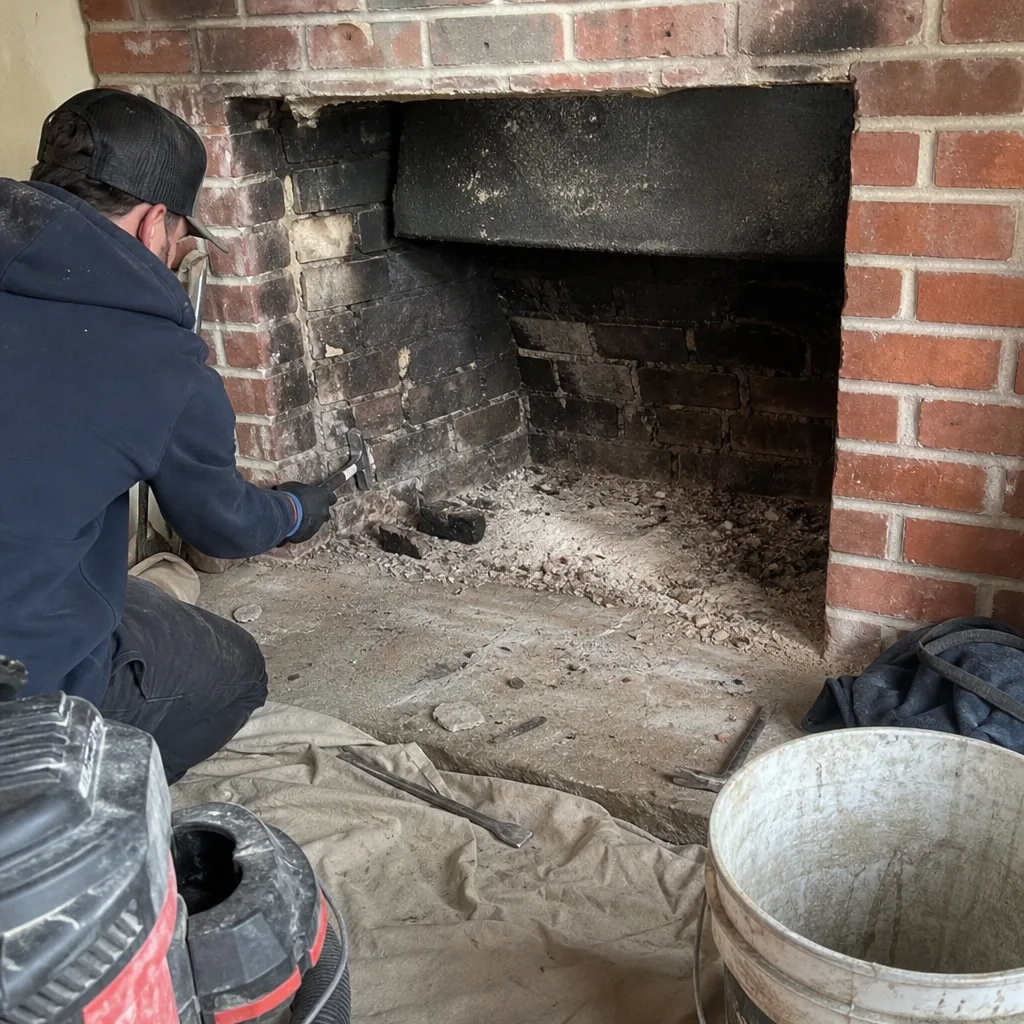 Before
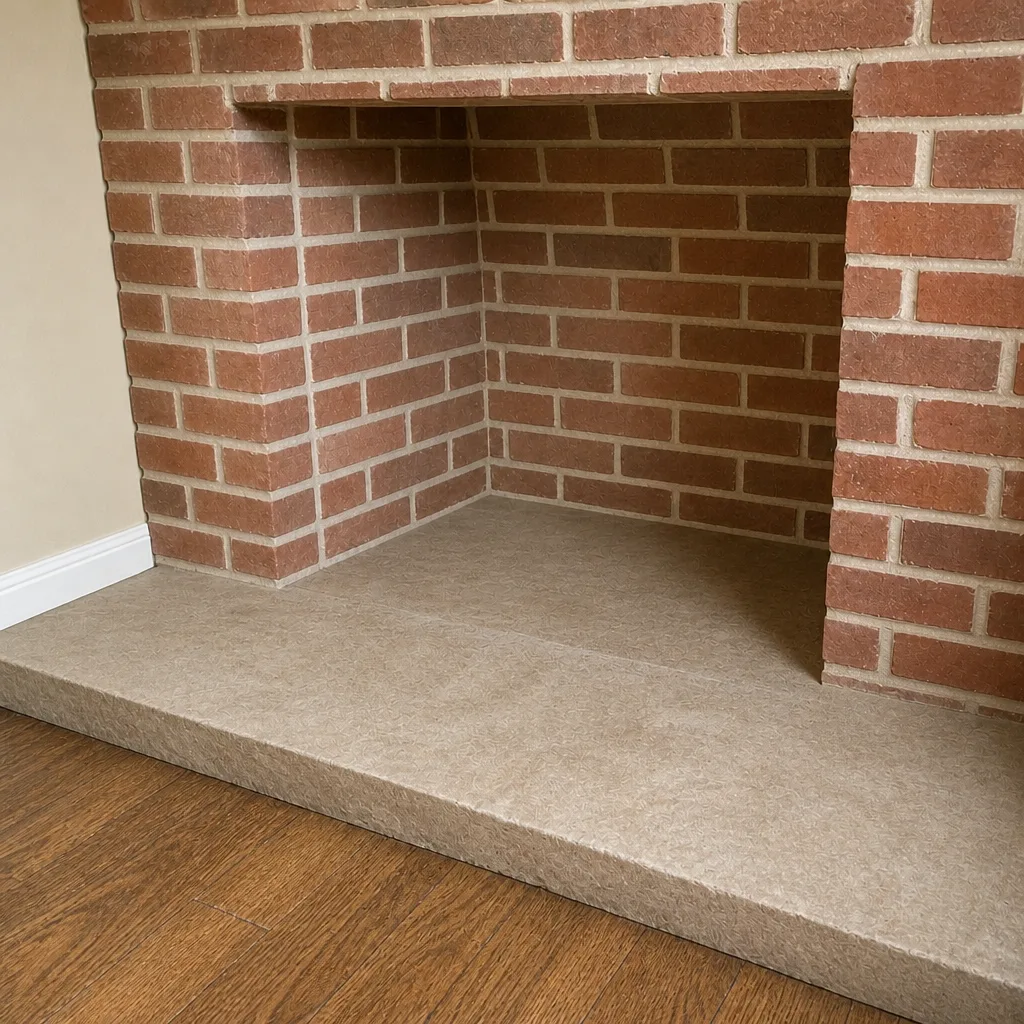 After
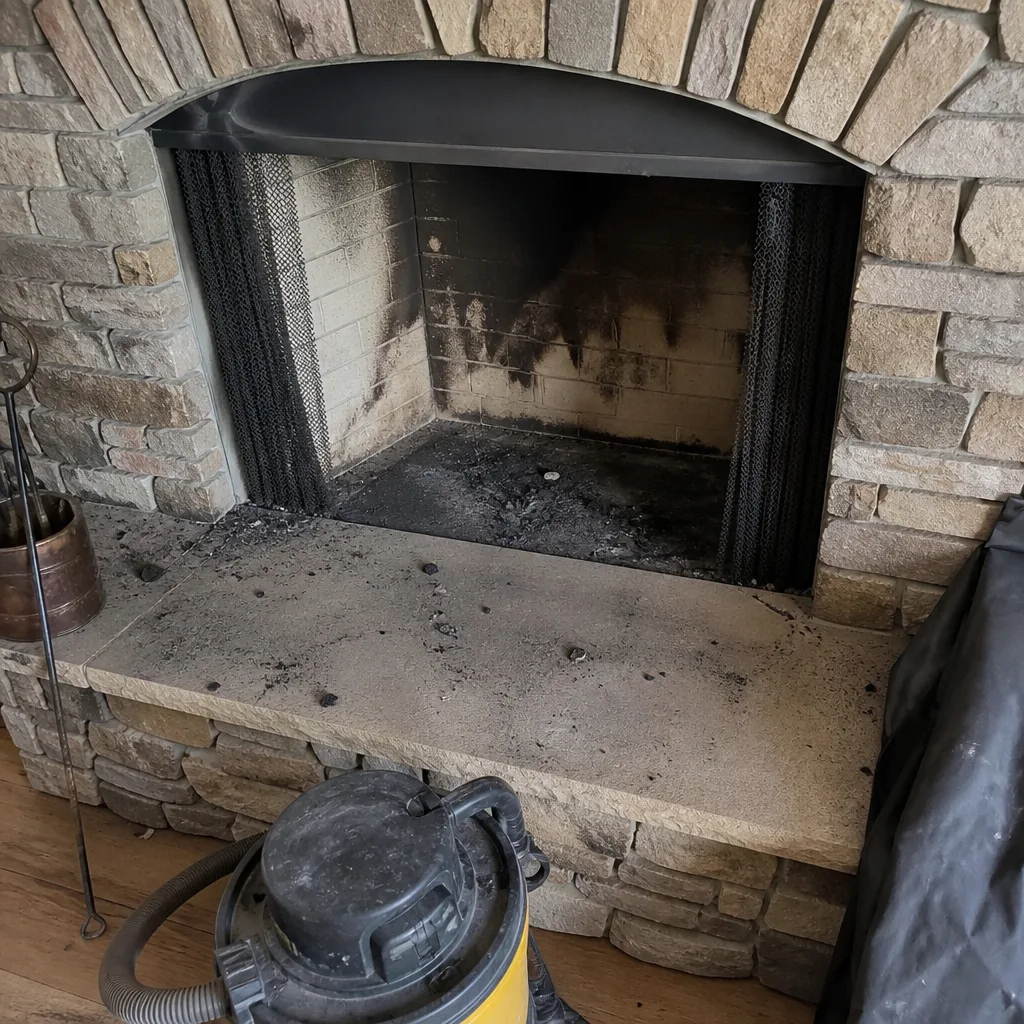 Before
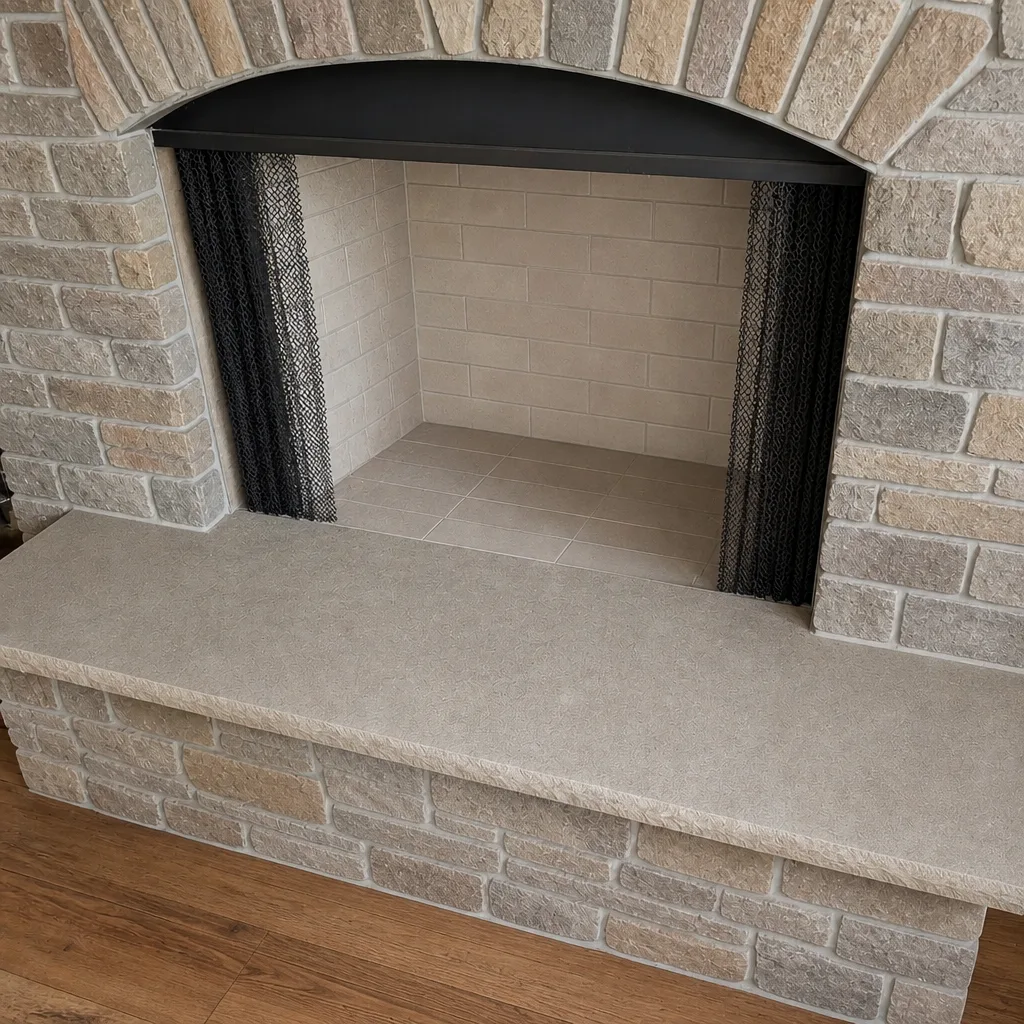 After
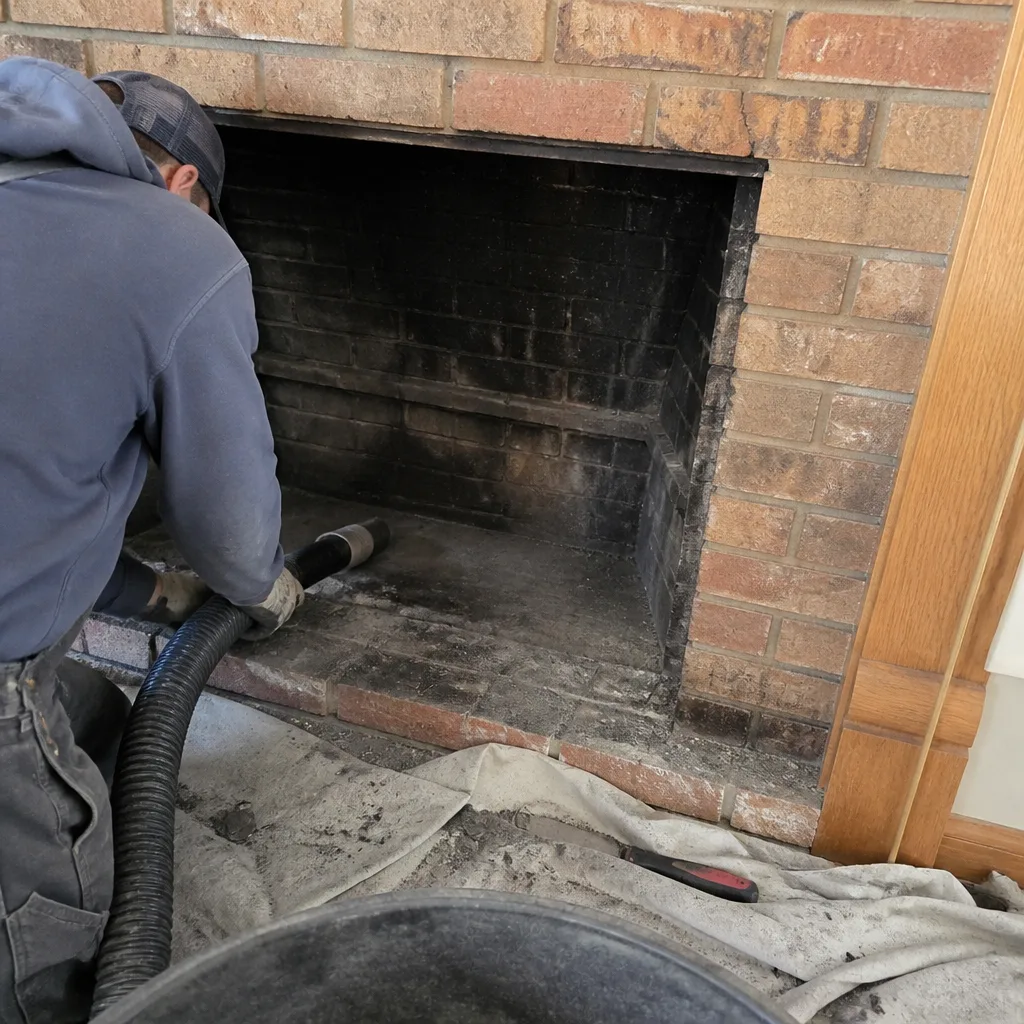 Before
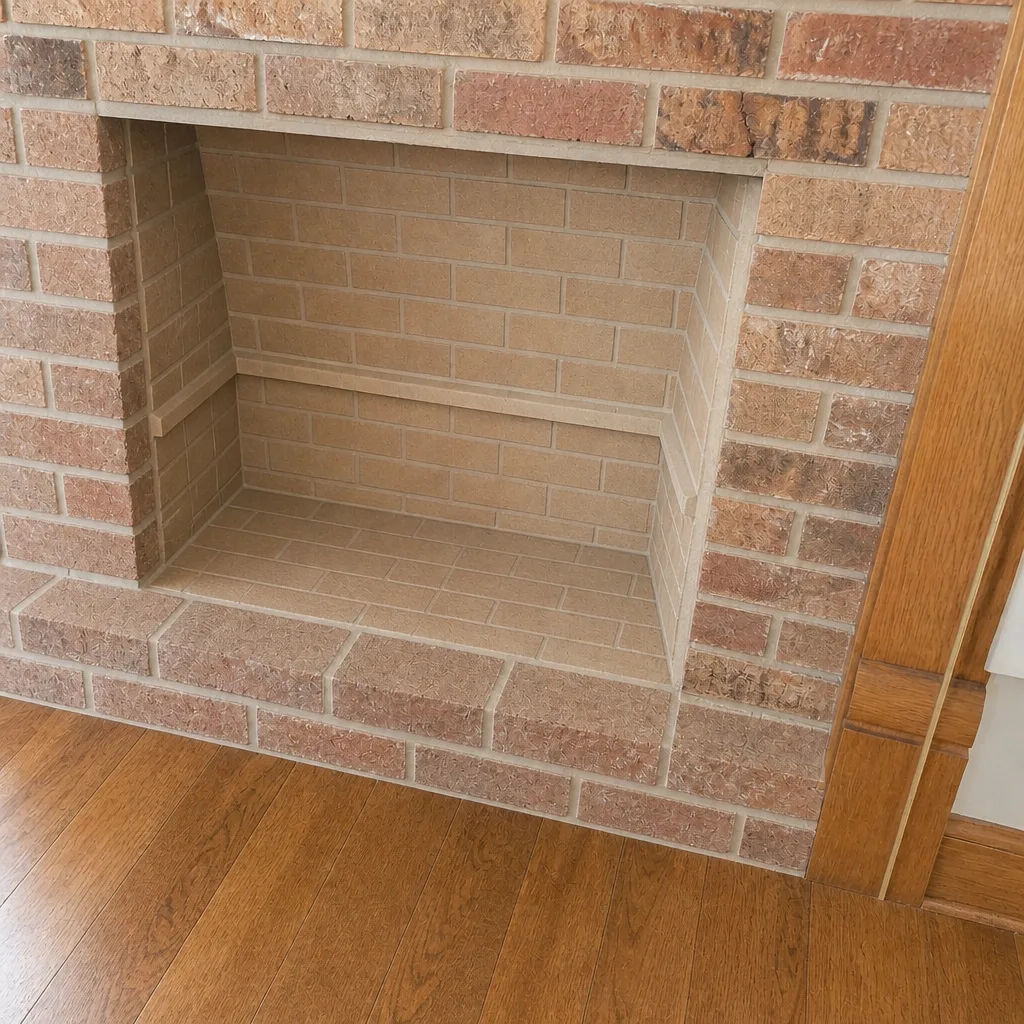 After
Frequently Asked Questions
Once a year is the standard for a homeowner who burns regularly, and it should be done before the burning season rather than after. If you burn heavily through the winter or your fireplace is your main heat on cold days, a mid-season check makes sense too, especially during a long inversion stretch when creosote builds faster. Call (844) 625-7409 for a free estimate.
A fall cleaning alone protects against creosote but doesn’t catch crown cracking, mortar spalling, or cap damage, which develop through spring and summer. Spreading the checks out means catching masonry problems before they become a rebuilt crown. It’s less a service package than a way of looking at the system. Call (844) 625-7409 with questions about timing.
Inversions weaken draft by putting heavy cold air at ground level under a warmer layer, which makes fires burn less efficiently and deposits creosote faster. That’s why a fireplace that drafted fine in November can start smoking back in January. If draft changes mid-season, get the flue checked. Call (844) 625-7409 for an inspection.
Hairline cracks, flaking, a crown pulling away from the flue, or white chalky stains on the brick are the signs. A cracked crown lets water into the masonry, and freeze-thaw widens it every winter. Repairing it in summer, before the freeze, is the cheapest time to do it. Call (844) 625-7409 for a free estimate.
Yes. We offer inspection as a standalone service, and it’s a good fit for a mid-year check or a pre-purchase look. You get a camera inspection and photo report so you can see what we see. Nothing is recommended without evidence you can verify for yourself. Call (844) 625-7409 to book one.
Skipping it doesn’t usually cause a sudden failure; it lets small problems compound. Mortar that could have been repointed becomes a rebuilt crown, a hairline crown crack becomes a flashing leak, and a missed liner crack becomes a safety concern. The work is cheaper when it’s caught in the season it develops. Call (844) 625-7409 and we’ll tell you what your chimney actually needs.
The Bottom Line
Sandy’s chimney calendar isn’t one appointment in October. It’s four seasons of attention, each aimed at a different part of the system: spring for moisture damage after snowmelt, summer for crown repair and UV protection, fall for the full cleaning and inspection before the rush, and winter for monitoring creosote and draft through inversion season. The point isn’t to add work; it’s to catch problems in the season they’re small. If you take one thing from this guide, make it this: a cracked crown caught in June is a sealer job, and the same crack caught in December is a rebuilt crown. If you’d like a straight answer about where your chimney stands, start with a Sandy Chimney Sweep Pros inspection and get the real picture before you spend a dollar on anything else.
Call (844) 625-7409 for a free estimate. We answer 24/7, and fast dispatch runs 7am to 7pm, Sunday through Friday. The estimate is free, the price is set per job by the written estimate, and nothing gets recommended without camera evidence you can see yourself.
Written by the team at Sandy Chimney Sweep Pros.